
Livraison le jour même ou le lendemain

Qualité garantie

Débloquez vos offres de bienvenue: Livraison GRATUITE | Jusqu'à -80 % | 30 jours d'essai gratuits à JoyPlus
Téléchargez l'application
A facial moisturiser should not be chosen based solely on the promise printed on the bottle. A pleasant texture may prove too light for dry skin, while a fluid serum can leave your skin feeling uncomfortable if it is not followed by a cream. To make the right choice, it is better to consider your skin type, your routine and the season.
Dry and sensitive skin is generally lacking in lipids. It may feel tight, develop flaky patches or remain uncomfortable throughout the day. Dehydrated skin, on the other hand, is primarily lacking in water. This can affect oily, combination or normal skin, particularly after cleansing, in winter or in a heated room.
A water-based formula containing hyaluronic acid can help improve the comfort of dehydrated skin. For dry skin, it is often preferable to also look for emollient or protective ingredients, such as squalane, shea butter, plant oils or ceramides.
A promise of long-lasting hydration tells you nothing by itself about the texture, tolerance or ease with which the product can be incorporated into your routine. Check the ingredients list and directions for use. A rich cream may feel pleasant in the evening but be too heavy under make-up. Conversely, a gel-cream may be ideal in the morning while proving insufficient for very dry skin.
Claims such as “24 hours”, “48 hours” or “100 hours” refer to the manufacturer’s indications. They do not guarantee the same results for everyone.
Fragrances, denatured alcohol, certain preservatives and essential oils may not be suitable for reactive skin. The presence of a popular active ingredient alone does not make a formula suitable for your sensitivity.
Before buying, compare the INCI list with ingredients you already know your skin is sensitive to. Test the product on a small area and stop using it if redness, itching or persistent irritation occurs.
A simple routine can start with a serum in the morning, followed by a suitable moisturiser. In the evening, a more nourishing texture may be useful if your skin remains uncomfortable.
Glycerine, panthenol, aloe vera and hyaluronic acid are commonly used to enhance the feeling of hydration. Squalane, plant oils and ceramides can complement the formula by helping to support the comfort of the skin barrier.
Hyaluronic acid can appear in different forms in an ingredients list. The stated concentration or molecular size alone is not enough to predict the result on your skin. Instead, consider the formula as a whole and how well your skin tolerates it.
A large bottle can be practical for daily use on the face and neck. Conversely, a 30 or 50 ml size makes it easier to test a new formula or take it travelling. Follow the manufacturer’s instructions, keep the product away from heat, and check the period after opening as well as the ingredients list printed on the packaging.
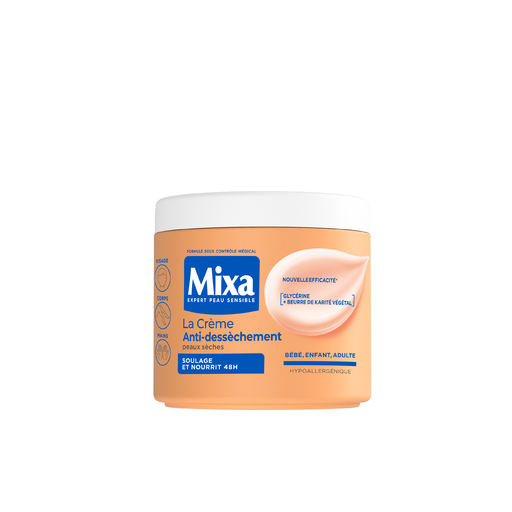
Why this choice suits this profile : Its generous size is suitable for a simple daily routine for the face and body, particularly when the skin regularly feels tight.
The product details mention a combination of glycerine, shea butter, sweet almond oil and soya oil, rather than focusing on a single highlighted active ingredient.
A 400 ml size and a texture described as non-sticky. The brand presents the formula as hypoallergenic.
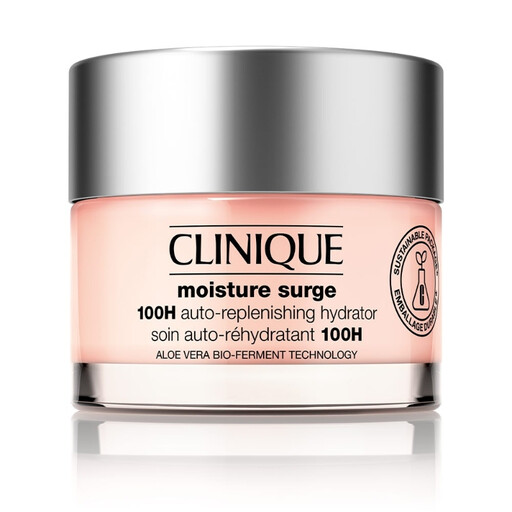
Why this choice suits this profile : Its oil-free gel-cream and fresh texture fit easily into a skincare routine, including under make-up.
Its lightweight texture means you are not choosing a rich cream based solely on a hydration claim, without considering how comfortable it feels during the day.
The ingredients list includes hyaluronic acid, glycerine and aloe vera, among others. Its 50 ml size fits easily into a regular routine.
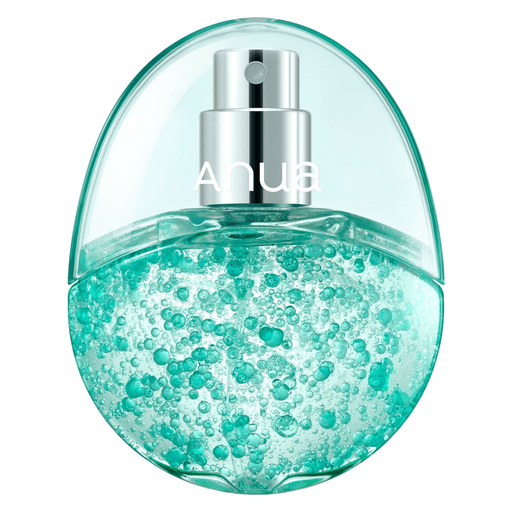
Why this choice suits this profile : The mist format slips easily into a bag and lets you quickly refresh your skin when it feels dry during the day.
It addresses a specific need rather than automatically replacing a cream. It can complement your routine, but is not necessarily suitable as your only moisturising product.
A 30 ml mist containing, according to the product details, panthenol, allantoin, hyaluronic acid and ceramide NP.
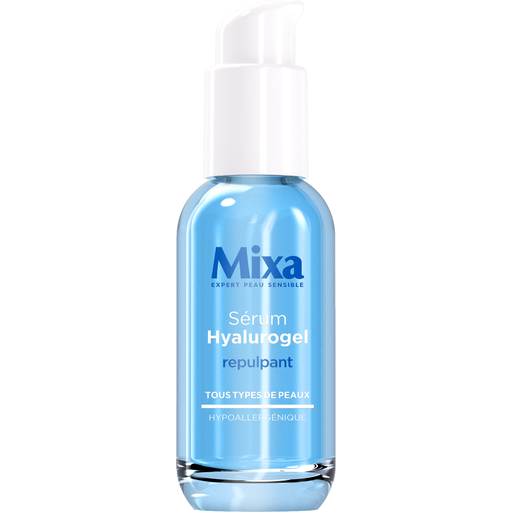
Why this choice suits this profile : This serum is applied before your moisturiser, helping to enhance your routine without adding a thick texture.
Its role as a preparatory treatment is clearly defined: it is not intended to systematically replace a cream, particularly on dry skin.
The formula includes sodium hyaluronate, glycerine, panthenol and niacinamide. The 30 ml size comes with a texture described as lightweight.
We have put together a complete, real-time updated list of products that meet these strict selection criteria and European safety requirements.
Yes, depending on the serum’s texture and your skin’s needs. A serum generally provides lightweight hydration, but dry skin or skin exposed to cold weather will often feel more comfortable with a cream, which helps preserve the skin barrier.
It depends entirely on the symbol indicating the period after opening and the recommendations on the packaging. Close the bottle carefully, protect it from heat and direct light, and stop using it if its smell, colour or texture changes.
Choose a simple formula, read the INCI list carefully and avoid heavily fragranced products if you know your skin reacts to them. A soothing facial treatment containing ingredients such as glycerine or panthenol may be worth considering after testing it on a small area.