
Livraison le jour même ou le lendemain

Qualité garantie

Débloquez vos offres de bienvenue: Livraison GRATUITE | Jusqu'à -80 % | 30 jours d'essai gratuits à JoyPlus
Téléchargez l'application
Choosing a moisturiser for face and body might seem straightforward. Yet a texture that’s too rich for the face, a fragrance that doesn’t agree with you, or an exfoliating active used too often can quickly turn a practical purchase into a poor decision. For adults, parents and families in France, the key criteria really come down to the area of application, your skin type and how often you use it.
The Joybuy Product Recommendation Officer helps you sort through the marketing claims and focus on the criteria that actually matter.
Dehydrated skin mainly lacks water and can feel tight. Dry skin also lacks lipids: it needs a nourishing cream containing, for example, shea butter, plant oils or squalane. A very rich texture isn’t necessarily suitable for combination or blemish-prone skin.
Claims like “48 hours” or “72 hours” correspond to results stated by brands under specific test conditions. They don’t guarantee the same comfort for everyone. Climate, heating, frequent showers and your application routine all play a significant role too.
A cream for dry skin may contain fragrance, essential oils or certain preservatives that reactive skin doesn’t tolerate well. Conversely, a fragrance-free formula isn’t automatically designed to tackle blemishes. Before you order, take the time to read the INCI list and check the stated area of application.
A face moisturiser is usually sold in a more compact size, with a texture designed to avoid any feeling of heaviness. A body moisturiser more often comes in a large format with a richer, enveloping texture.
For a family, a formula that can be used on both face and body helps keep the number of products in the bathroom to a minimum. However, always check the manufacturer’s recommendations: some treatments are for the face only, like the AXIS-Y Heartleaf My Type Calming Cream, while others can be used on both areas, such as the Avril neutral cream.
A 380 or 400 ml pot is suitable for daily application on arms, legs, hands and dry areas. A 40 to 75 ml tube is more practical for the face, travel or targeted applications. If your skin is sensitive, do a patch test on a small area before first use and stop using the product if redness, itching or persistent irritation occurs.
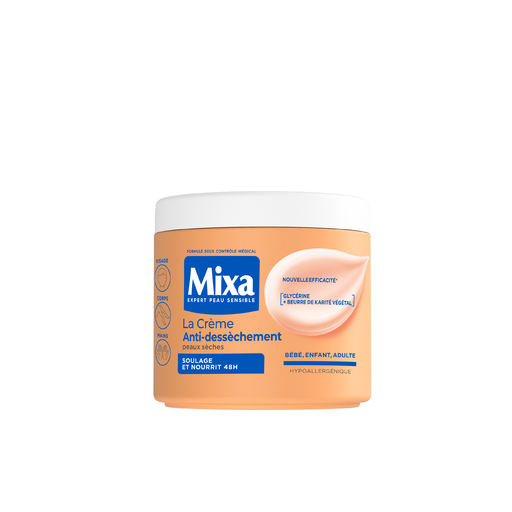
Why this choice suits this profile: Its large format and formula based on glycerin, shea butter, sweet almond oil and soya oil fit easily into a daily family routine.
The 400 ml size means you won’t need to repurchase too often. Its non-greasy texture also reduces the risk of it being left at the back of the cupboard after a few uses.
The brand claims hydration for up to 48 hours, with plant-derived oils and an indication for dry and sensitive skin.
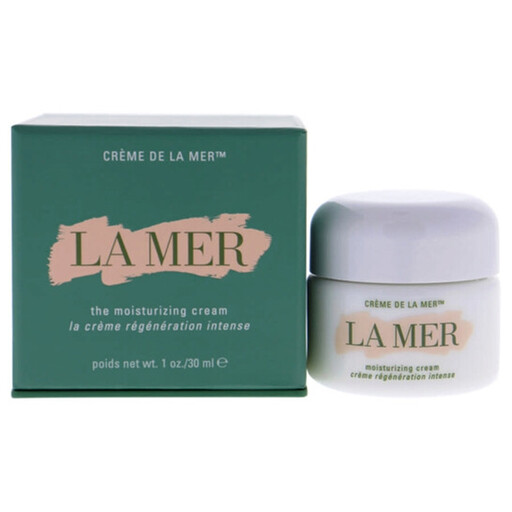
Why this choice suits this profile: This size is aimed at those seeking a premium sensory experience and a rich texture for the face.
At 30 ml, it lets you test the texture without committing to a large pot straight away.
A smooth texture, a treatment focused on comfort and hydration, and packaging designed for a facial routine.
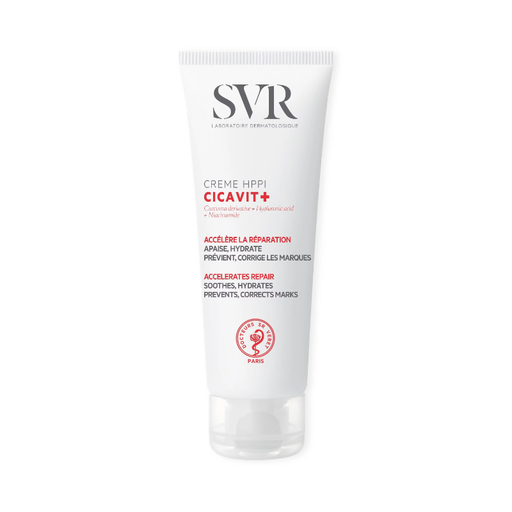
Why this choice suits this profile: Its face and body use makes it suitable for those looking for a targeted repairing treatment for fragile or uncomfortable areas.
The ability to apply a thin or thicker layer lets you adjust the amount to the area in question, rather than always resorting to a very greasy texture.
A formula stated for face and body, with glycerin, shea butter and dimethicone to improve skin comfort.
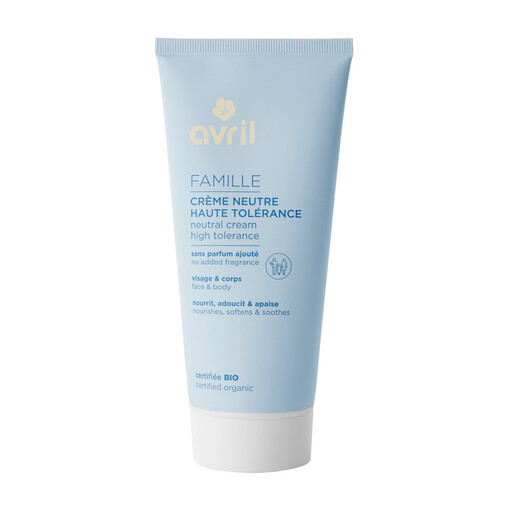
Why this choice suits this profile: Its fragrance-free formula and face-and-body use can suit families who want to keep unnecessary ingredients to a minimum.
The absence of added fragrance is a concrete, verifiable criterion, far from the vague gentleness claims often found on packaging.
The brand states 100% naturally derived ingredients, including 20% from organic farming, plus Cosmos Organic certification.
We’ve put together a comprehensive, real-time updated selection of products that meet these demanding criteria and European safety regulations.
Go for a formula containing humectant agents, such as glycerin, combined with lipid-replenishing ingredients like shea butter, ceramides or squalane. For the face, choose a texture that doesn’t leave an uncomfortable film and check for the “non-comedogenic” label if your skin is prone to blemishes.
Yes, provided the manufacturer clearly states it’s for face and body use. A body moisturiser, especially a rich one, can be too occlusive for some faces. Conversely, using a facial treatment sold in a small size all over your body can quickly become expensive.
Refer to the best-before date or the symbol indicating the period after opening, both found on the packaging. Close the pot or tube after each use, store it away from heat and avoid scooping out the cream with wet hands. A change in appearance, smell or texture can mean it’s time to stop using the product.