
Livraison le jour même ou le lendemain

Qualité garantie

Débloquez vos offres de bienvenue: Livraison GRATUITE | Jusqu'à -80 % | 30 jours d'essai gratuits à JoyPlus
Téléchargez l'application
A moisturiser for dry and sensitive skin needs to meet two distinct requirements: deliver water to the skin and limit dehydration. Yet the promises printed on packaging don't always make the choice any easier. A rich texture isn't necessarily suitable for the face, a "natural" formula can contain fragrant allergens, and a product presented as universal may lack comfort on oily skin.
Here are the criteria to check before buying, followed by a selection tailored to different profiles.
Glycerin, panthenol, hyaluronic acid and certain sugars help retain water in the skin's surface layers. Oils, butters, ceramides, silicones and occlusive agents work more to limit water loss and boost skin comfort.
Very dry skin can benefit from a nourishing cream for dry skin rich in fatty substances. Conversely, combination or oily skin will often prefer a light gel, which avoids that heavy film feeling.
This indication doesn't excuse you from reading the INCI list. Fragrances and certain fragrant allergens may not suit all sensitive skins. Conversely, a fragrance-free formula doesn't guarantee no reaction will occur.
For first-time use, apply a small amount to a limited area and observe the reaction for 24 to 48 hours. If redness, itching or persistent irritation appears, stop using the product.
An anti-blemish cream, a mattifying cream or a brightening anti-dark-spot cream serves a different purpose from simple hydration. Active ingredients like salicylic acid, niacinamide, alpha-arbutin or tranexamic acid may need to be introduced gradually. For products aimed at reducing the appearance of dark spots, daily sun protection remains essential.
Look first at the ingredients at the top of the list – they are generally present in the largest amounts. To help maintain a weakened skin barrier, formulas based on glycerin, panthenol, squalane, shea butter or ceramides can be worth considering, depending on the texture you're after.
Also check for the presence of fragrance, denatured alcohol or exfoliating actives if your skin reacts easily. As INCI lists can change, always rely on the one printed on the packaging of the product you receive.
A 400 ml pot suits family use or regular body application. A 40 to 75 ml tube is easier to carry around. Respect the best-before date or the period after opening indicated on the product. Keep the cream away from heat and close the container carefully after each use.
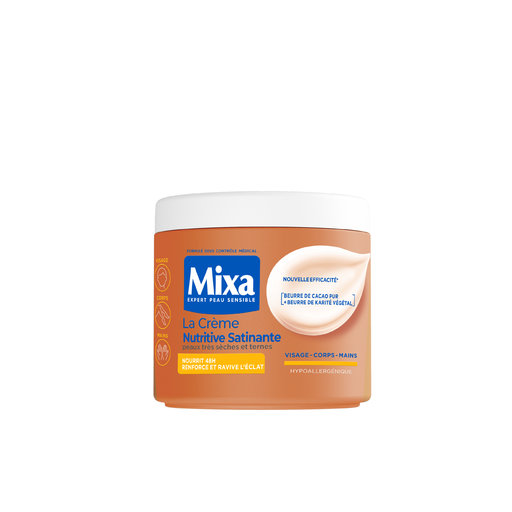
Why this choice suits this profile: With its 400 ml, this product is ideal for a daily body routine and for households that prefer not to stockpile lots of different products.
Its rich texture is clearly intended for the body, not for oily facial skin, which would be better off with a light gel. However, do check for the presence of fragrance depending on your tolerance.
Cocoa butter, shea butter, glycerin and a family-size 400 ml format.
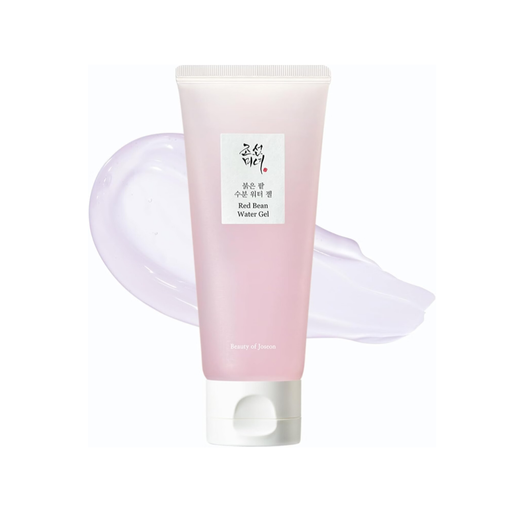
Why this choice suits this profile: Its gel texture and Korean inspiration will appeal to those looking for a light yet carefully crafted facial product.
It avoids the excessive richness that often feels uncomfortable on oily skin. Even though the brand presents it as suitable for sensitive skin, a patch test is still recommended.
44% red bean extract according to the brand, three peptides and an alcohol-free, fragrance-free formula.
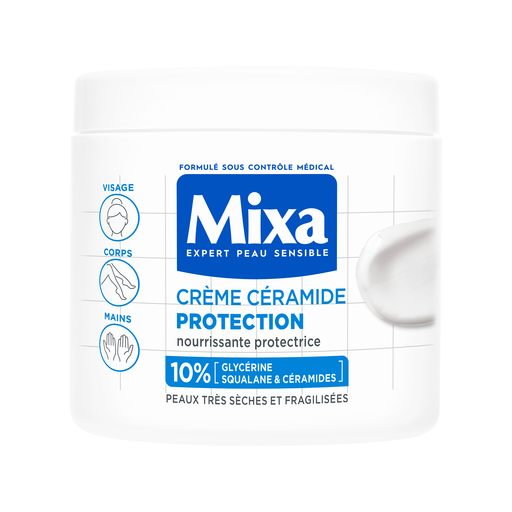
Why this choice suits this profile: Its large format and nourishing texture suit people who apply cream to several dry areas every day.
The formula focuses on ceramides, squalane and glycerin, rather than just a simple hydration promise. However, it may prove too rich for oily areas of the face.
Ceramides, squalane, glycerin and a 400 ml format designed for regular body application.
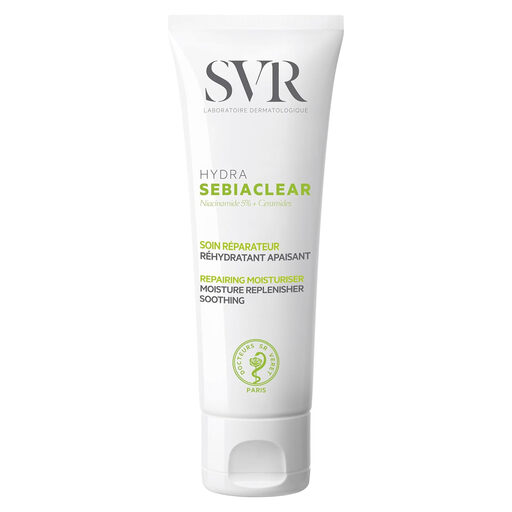
Why this choice suits this profile: This compact facial product is designed for skin that loses comfort during a drying anti-blemish routine.
It doesn't just aim to mattify the skin – it also contains emollient agents. However, the formula does contain fragrance, so check this if you have sensitivity.
Niacinamide, shea butter, argan oil and a non-comedogenic claim communicated by the brand.
We've put together a comprehensive, real-time updated selection of products that meet these strict criteria as well as European safety requirements.
Start with a fragrance-free formula containing hydrating agents and offering a comfortable texture. Look for ceramides, glycerin, panthenol and squalane in the INCI list. A patch test is still recommended before applying the product to your whole face.
It's sometimes possible, but the texture and tolerance aren't always suitable. A rich body moisturiser can leave an unpleasant film or increase discomfort on combination to oily skin. For the face, check the intended use, the possible presence of fragrance and the "non-comedogenic" claim where relevant.
Follow the date on the packaging as well as the symbol for the period after opening. Avoid leaving an open pot in a very hot bathroom and don't scoop out the cream with wet hands. If the smell, colour or texture changes, it's best to stop using the product.