
Livraison le jour même ou le lendemain

Qualité garantie

Débloquez vos offres de bienvenue: Livraison GRATUITE | Jusqu'à -80 % | 30 jours d'essai gratuits à JoyPlus
Téléchargez l'application
A poorly fitted baseboard, a crushed finishing seal, or a molding with a gaping corner... The quality of a finish often comes down to one detail: the precision of the angle cuts. The miter shear, also known as a gasket shear, is the go-to hand tool for these tasks. However, choosing the right model isn't so simple. Many DIYers, and even professionals, end up with a tool that over-promises and quickly disappoints. Before making your choice, beware of the most common pitfalls.
Relying solely on marketing can lead to regrettable purchases. Here are the hidden flaws that can render a tool useless after just a few cuts:
To achieve clean, precise cuts every time, here are the three technical points to check before you buy.
The blade is the heart of your multi-angle shear. The quality of the steel determines the sharpness of the cut and the durability of the edge.
The primary function of a miter shear is to make precise angled cuts. The reliability of the mechanism is therefore non-negotiable.
A good tool should be both sturdy and comfortable to use, especially for finishing work that requires repetition.
Rather than an exhaustive list, here are options that cater to specific user profiles, based on the quality and durability criteria we've just discussed.
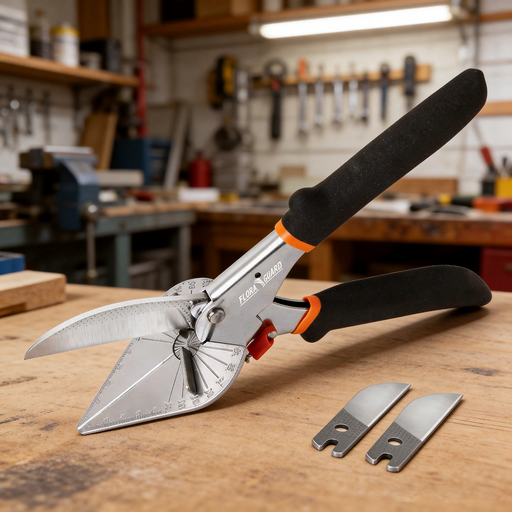
Why we chose it: Perfect for one-off renovation projects like installing new baseboards or framing a door. It provides the necessary precision without requiring a large investment for occasional use.
Its SK5 steel blade and engraved angle guide prevent the two major pitfalls: crushing the material and inaccurate angles, even for an inexperienced user.
Supplied with 2 spare blades, it ensures excellent longevity for many future DIY projects.
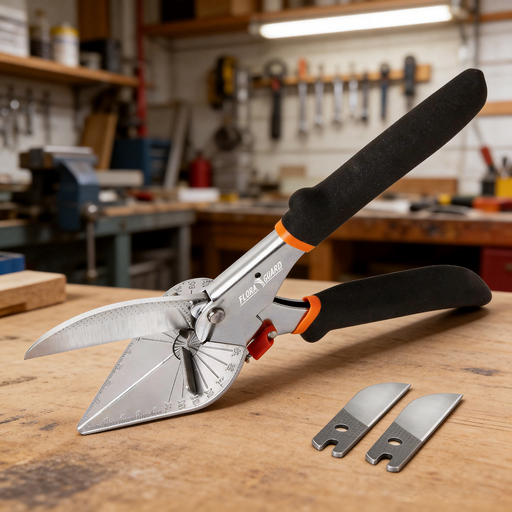
Why we chose it: Designed for fitters, carpenters, or installers who make repetitive cuts. Its extended design provides better leverage, reducing the effort required for each cut.
The robust aluminum alloy body and longer handles resist flexing, preventing the loss of control and fatigue typical of less rigid tools.
The improved leverage allows for cleaner cuts with less force—a significant boost in productivity and comfort over a full day's work.
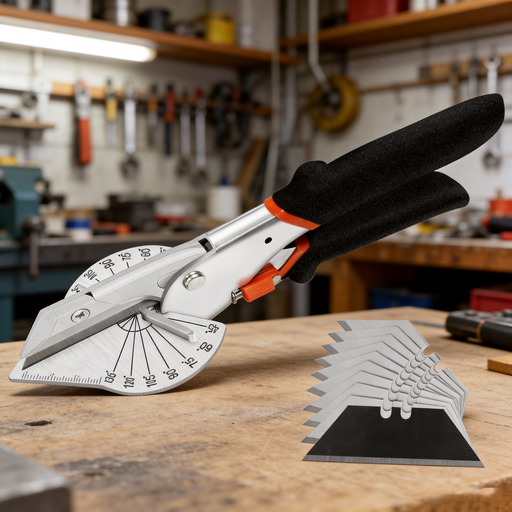
Why we chose it: The ultimate solution for professionals who use this tool daily. Ideal for flooring installers cutting quarter-round or technicians fitting weatherstripping in rapid succession.
This model tackles the problem of blade wear from heavy use head-on. With 10 spare blades, there's no more downtime: the cut stays perfect from the start of the job to the end.
The pack of 10 spare SK5 steel blades represents true cost optimization and a long-term productivity gain.
We have selected a full range of products that meet our quality criteria and current safety standards.
Most models have one or two screws holding the blade in place. Simply unscrew them with a Phillips screwdriver, carefully remove the old blade (while wearing gloves), position the new one, and screw it back in firmly. Always ensure the tool is in its locked, safe position before any handling.
Yes, but only on softwood like pine, fir, or MDF, and for limited thicknesses. This tool is not designed for hardwood (oak, beech) or for thick baseboards. Attempting to cut a material that is too hard may damage the blade and the mechanism.
Maintenance is simple. After each use, wipe the blade with a dry cloth to remove resin and dust. If you work in a humid environment, apply a thin coat of oil to the metal parts to prevent rust. Always store the shear in the closed and locked position, in a dry place.