
Livraison le jour même ou le lendemain

Qualité garantie

Débloquez vos offres de bienvenue: Livraison GRATUITE | Jusqu'à -80 % | 30 jours d'essai gratuits à JoyPlus
Téléchargez l'application
Whether you're installing baseboards, decorative molding, or electrical trunking, the quality of your angle cuts makes all the difference in the final look. A clean, precise cut is the hallmark of a professional job. This is where miter shears come in. This manual tool promises fast, dust-free cuts, but be warned: not all models are created equal.
As product experts at Joybuy, our mission is to help you make an informed decision. In the miter shear market, certain design flaws can quickly turn a promising purchase into a real headache. Let's break down the pitfalls to avoid.
To avoid these traps, a few technical points need to be scrutinized. These are the details that separate an effective tool from a gadget destined to be left at the bottom of a drawer.
The blade is the heart of the tool. Be wary of vague descriptions like "hardened steel" and opt for blades made of SK5 tool steel. This high-carbon steel is renowned for maintaining a razor-sharp edge for much longer. An SK5 blade guarantees clean, crisp cuts, even on the thinnest profiles. An added bonus is the ability to replace it, which greatly extends the lifespan of your angle cutting tool.
A good angle trim cutter must offer a clear and reliable adjustment system. High-performance models cover a range from 45° to 135°. The presence of preset stops for common angles (45°, 60°, 90°, 120°) is a real plus for boosting efficiency. Finally, check that the markings are etched into the metal and not simply painted on, as the latter tend to wear off with use. This is a crucial detail for the precision of your baseboard angle cuts.
The force you can apply depends directly on the tool's design. An ergonomic handle, ideally coated with a non-slip material like PVC, ensures a safe and comfortable grip. To tackle wider or denser materials, a skirting board cutter with extended handles multiplies the leverage and significantly reduces effort. Lastly, remember to check the tool's maximum cutting capacity to ensure it's suitable for the size of your baseboards or your wood molding shears.
To illustrate these criteria in practice, here are two models that tick all the boxes, each suited to a different user profile.
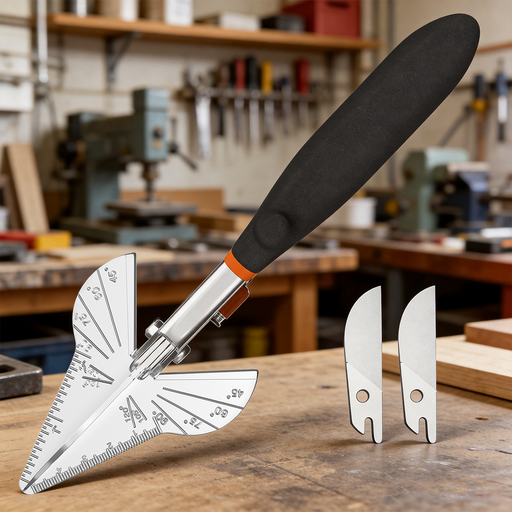
Why we chose it: Ideal for one-off finishing jobs (quarter-round, MDF baseboards, PVC trunking). It combines the precision required for a clean job with an affordable price point.
Its SK5 steel blade prevents the material from being crushed. Its angle guide, clearly marked and equipped with stops, eliminates the risk of an imprecise mechanism.
Comes with 2 replacement blades, ensuring excellent longevity and unbeatable value for money, even for frequent use.
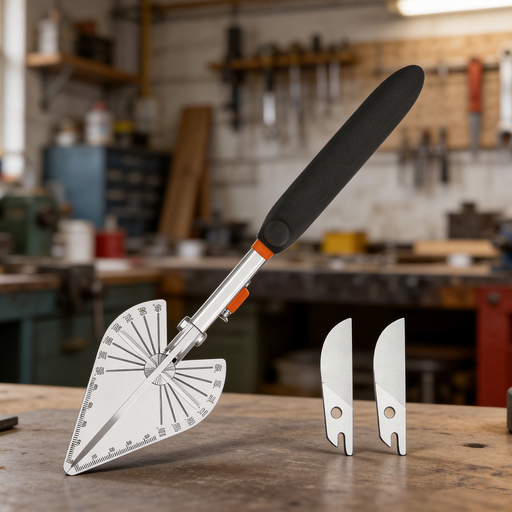
Why we chose it: Designed for those who make repetitive cuts or work with wider materials. Perfect for tradespeople or large renovation projects.
Its extended aluminum alloy handle multiplies leverage, sidestepping the trap of fatigue and poor ergonomics during long cutting sessions.
Its larger cutting capacity (up to 6.8 cm wide) allows it to tackle much larger moldings and trunking than standard models.
Discover our full selection of products that meet our quality standards and current safety regulations.
1. Can miter shears replace an electric miter saw? No, they are two complementary tools. Miter shears are perfect for soft materials (PVC, rubber seals, pine wood, MDF) and for their portability, quiet operation, and dust-free cutting. For hardwoods (oak, beech), structural cuts, or large-section profiles, an electric miter saw remains essential.
2. How do I maintain the blade of my multi-angle shears? After each use, wipe the blade with a dry cloth to remove any glue or sap residue. Store the tool in a dry place to prevent corrosion. We do not recommend attempting to sharpen the blade yourself without the proper equipment; it is much simpler and safer to install a replacement blade when the edge is no longer optimal.
3. Is this tool suitable for cutting hardwood baseboards? As a general rule, no. The force required to cleanly cut a dense wood like oak is far too high for a manual tool. You would risk damaging the blade and, more importantly, crushing the wood fibers instead of cutting them. For hardwoods, a saw remains the only viable option.