
Livraison le jour même ou le lendemain

Qualité garantie

Débloquez vos offres de bienvenue: Livraison GRATUITE | Jusqu'à -80 % | 30 jours d'essai gratuits à JoyPlus
Téléchargez l'application
The promise of a microfibre cloth is alluring: a flawless, cost-effective, and more ecological clean, all with just a little water. But in reality, disappointment is all too common: cloths that fray after the first wash, persistent streaks on windows, and virtually non-existent absorption. Before you buy, it's best to understand the marketing traps so you can invest in a model that truly delivers.
To find that perfect cloth, you need to look beyond the colour or the label. Certain manufacturing defects can quickly turn a bargain into a purchase you'll regret. Here are the most common pitfalls to avoid:
Fortunately, you can avoid these disappointments by checking a few technical specifications that make all the difference.
The performance and durability of a microfibre cloth are no accident. They are based on specific criteria that are easy to identify when you know where to look.
Most microfibres are a blend of polyester and polyamide. Polyester provides structure and scrubbing power, while polyamide is the key to absorption. A common ratio is 80% polyester / 20% polyamide. A higher percentage of polyamide generally indicates better absorption capacity.
More importantly, consider the density, measured in GSM (Grams per Square Metre).
Not all microfibres are created equal: their weave determines their specialty.
A good microfibre cloth is a long-term investment. Take a look at the finishing: the edges should be reinforced with a solid stitch (an overlock seam) to prevent fraying in the wash. The number of washes guaranteed by the manufacturer is also an excellent indicator. A quality washable microfibre cloth can withstand several hundred cycles, making it truly economical and ecological in the long run.
To help you make the right choice, here is our selection of products that tick all the boxes for performance and durability, each tailored to a specific need.
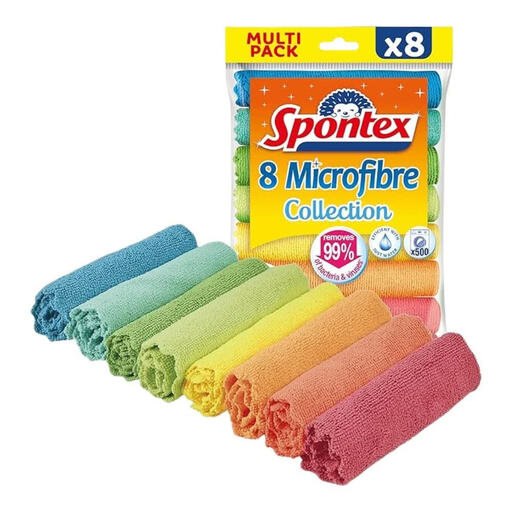
Why we recommend it: Perfect for everyday cleaning. This budget-friendly pack is ideal for families: you can assign a colour to each room (kitchen, bathroom, etc.) for impeccable hygiene, all without breaking the bank.
Unlike no-name cloths that wear out in a flash, this pack from a reputable brand ensures consistent quality. Its versatile design is made to be effective on most surfaces without leaving lint behind.
Excellent value for money to get fully equipped. Effective with just a little water, which limits the use of detergents.
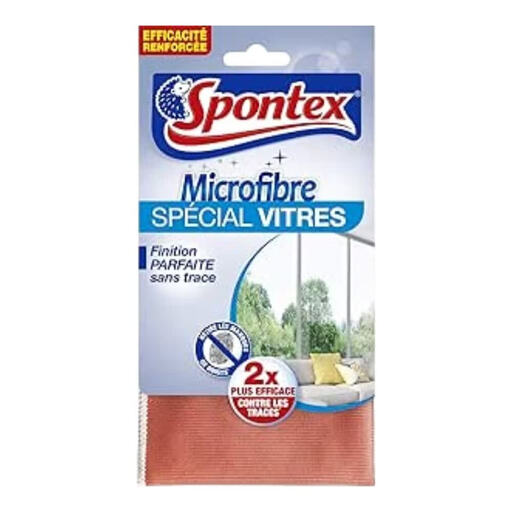
Why we recommend it: For anyone who demands a perfect finish on windows, mirrors, and stainless steel surfaces. It's the ultimate precision tool for flawless transparency.
It tackles the #1 problem head-on: streaks and lint. Its specific weave is designed to leave nothing behind, whereas a multi-purpose cloth will quickly show its limits.
Specially designed for a zero-streak result on smooth, shiny surfaces. It eliminates fingerprints, grease, and limescale marks.
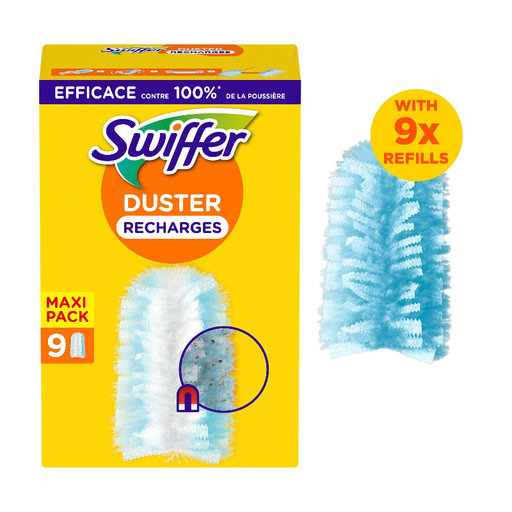
Why we recommend it: A must-have for allergy sufferers, pet owners, or anyone who wants to quickly and effectively dust furniture, shelves, and electronics.
It ends the ordeal of traditional dusters that just move dust around. Thanks to static electricity, its thousands of fluffy fibres attract and trap dust, hair, and allergens for good.
This dusting wand captures particles instead of sending them back into the air. Extremely practical for corners and hard-to-reach areas.
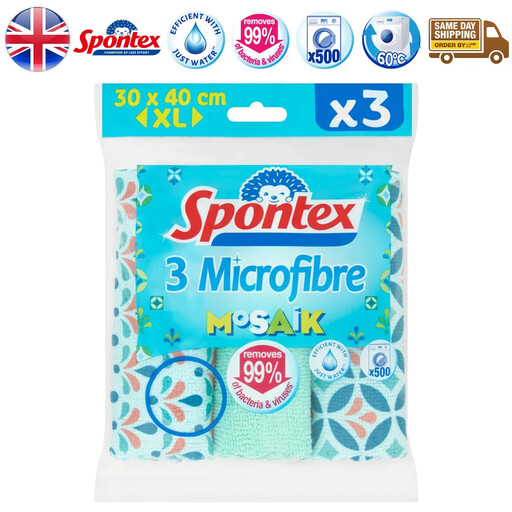
Why we recommend it: For those who see cleaning as a sustainable investment. Perfect for intensive use, it drastically reduces waste.
It shatters the myth of the disposable "fake eco-friendly" product. With a promise of 500 washes and a robust design, it guarantees an exceptional lifespan and unbeatable value.
Built to last. It's the most economical and ecological choice in the long run, designed to remain effective wash after wash.
To preserve their properties, machine wash your microfibre cloths between 40°C and 60°C (104°F and 140°F). Most importantly, never use fabric softener or bleach: these products clog the fibres and destroy their absorbent and electrostatic power. Air-drying is ideal, but if you must use a dryer, choose a very low-temperature setting.
Yes, and that's the whole point! The thousands of filaments in a microfibre cloth act like tiny spatulas to mechanically lift and trap dirt, dust, and bacteria. For stubborn grease (on a hob, for example), a drop of black soap or washing-up liquid can help. But for 90% of daily cleaning, plain water is more than enough.
It all depends on its quality (density, seams) and how you use it. An entry-level model will wear out after a few dozen washes. In contrast, a high-quality, well-maintained microfibre cloth will last for years and withstand several hundred machine cycles, as guaranteed by the best brands.