
Livraison le jour même ou le lendemain

Qualité garantie

Débloquez vos offres de bienvenue: Livraison GRATUITE | Jusqu'à -80 % | 30 jours d'essai gratuits à JoyPlus
Téléchargez l'application
Reusable microfibre cloths for cleaning have plenty to recommend them: they're versatile, easy to care for, and can help reduce your use of kitchen roll. But not all cloths are created equal when it comes to the task at hand. A cloth designed for windows won't necessarily replace a microfibre mop, while a highly absorbent cloth can leave fibres behind on a shiny surface.
Before you place an order, it's worth looking beyond the marketing claims. Here are the main pitfalls to avoid and the criteria to consider when choosing washable cloths for the kitchen, bathroom, floors and delicate surfaces.
The term "multi-purpose" usually means the cloth can be used dry or slightly damp on different surfaces. It doesn't guarantee it will be equally effective on windows, screens, greasy worktops and floors.
To avoid disappointment, it's best to plan for several categories:
A claim like "washable up to 500 times" is a manufacturer's statement and depends on usage conditions. Fabric softener, high temperatures, or washing with lint-producing textiles can degrade performance more quickly.
The quality of the stitching, following the care instructions, and how often you use the cloth matter at least as much as the number on the packaging.
A large cloth lets you clean a table or glass door quickly, but it can be less practical around taps, on screens or in small nooks. Conversely, a compact size offers more precision, at the cost of a few extra passes.
The right choice therefore depends on the surface you're tackling and how many cloths you have at home.
Microfibre is typically made from polyester and polyamide. Polyester contributes to the fabric's strength and durability, while polyamide provides flexibility and absorbency. The weave structure also affects how well the cloth traps dust, pet hair and greasy marks.
For dry dusting, a slightly chenille-like texture can capture more particles. For glass, choose a fine, soft, low-lint surface. On delicate materials, always make sure the cloth is perfectly clean and free of any grit that could cause micro-scratches.
Dimensions of 30 × 30 cm or 30 × 40 cm are suitable for most everyday tasks. A 22.5 × 22.5 cm size is particularly handy for screens, handles, taps and corners.
A pack of several pieces also lets you separate uses: kitchen, bathroom, living areas and pet care. This organisation prevents you from carrying dirt from one room to another and reduces the need for urgent washes between tasks.
Check the manufacturer's instructions before the first wash. Many products can be machine-washed at up to 60 °C, but recommendations vary from one product to another. In most cases, it's best to:
For a chemical-free clean, dampen the cloth slightly and wring it out thoroughly. On a very greasy surface, a suitable detergent will still be needed. Microfibre doesn't replace cleaning products in every case, nor does it replace standard hygiene practices.
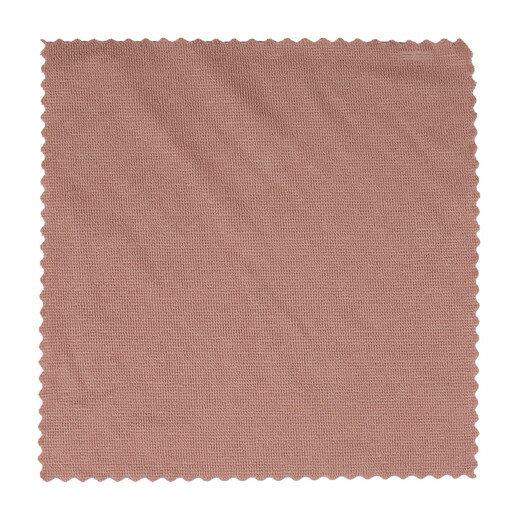
Why this choice suits this profile: this pack of ten compact cloths provides a good starting point for kitting out a flat. The different cloths can easily be allocated to different areas of the home.
Its small size stops you having to handle a cloth that's too bulky for everyday tasks and lets you keep a few clean cloths in reserve.
22.5 × 22.5 cm size, pack of ten pieces, and can be used dry or slightly damp according to the product listing.
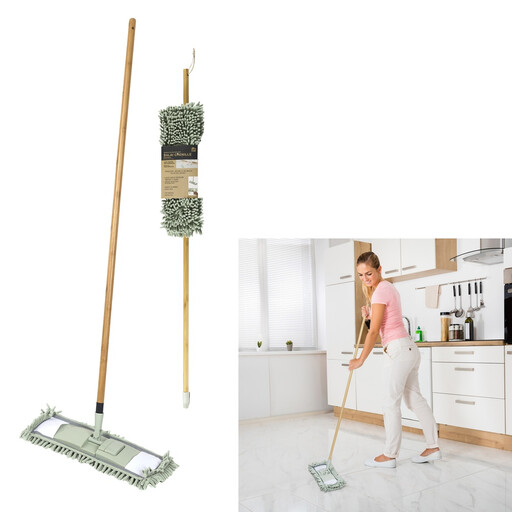
Why this choice suits this profile: its bamboo handle and chenille head fit into a floor-cleaning routine focused on ease of use and a quality finish.
Its dedicated floor head stops you replacing a proper cleaning tool with a simple small cloth.
Long bamboo handle, swivel head and removable chenille cover, hand-washable or machine-washable with a mild detergent.
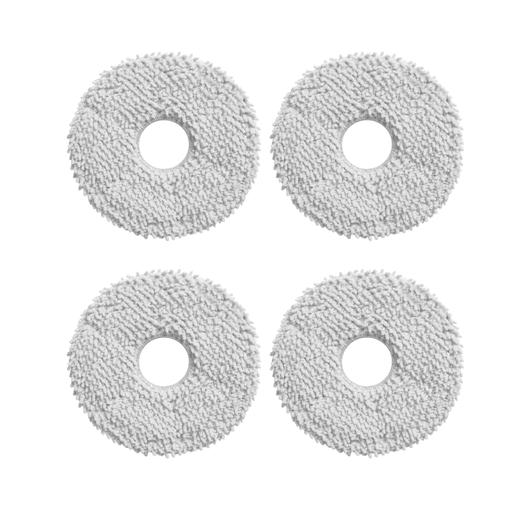
Why this choice suits this profile: these replacement pads are aimed at households with a Eureka J15 Pro Ultra robot mop who want to have clean cloths available to swap in.
Compatibility with a specific model reduces the risk of buying a universal pad that doesn't fit properly.
Pack of four washable microfibre pads, presented as a replacement accessory for floor cleaning.
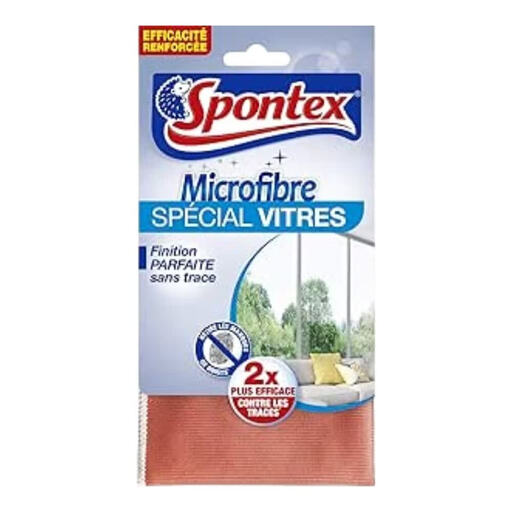
Why this choice suits this profile: this 35 × 35 cm cloth is designed for glass, windows and mirrors. The brand states it can be used with water.
Its specialised use stops you choosing a cloth that's too thick or linty for glass surfaces.
35 × 35 cm size, machine washable at 60 °C and can be used with water only, according to the information provided.
Regular care extends the life of your cleaning accessories and helps maintain their absorbency. After each use, remove hair and dust, then rinse very dirty cloths before putting them in the machine.
If you have pets, take the time to remove their hair before washing the cloths. Cloths used in the bathroom should be washed separately from those used on food-contact surfaces. Replace them when they become rough, start to fray or no longer absorb moisture properly.
Yes. For dusting and tackling many light soiling jobs, a dry or slightly damp cloth can be enough. However, heavy grease, limescale and some stubborn stains may need a suitable product. Always use a clean cloth and follow the precautions for the surface you're cleaning.
Their lifespan depends on the quality of the weave, how often they're washed and how they're cared for. Some products claim up to 500 washes under specific conditions, but this number isn't a guarantee for every household. Avoiding fabric softener and opting for moderate-temperature drying helps preserve the fibres.
Choose a fine, low-lint cloth that's compact enough to handle easily. Use it slightly damp, then finish with a dry section if needed. Wash it separately from very dusty or greasy cloths to avoid transferring residues onto the glass.