
Livraison le jour même ou le lendemain

Qualité garantie

Débloquez vos offres de bienvenue: Livraison GRATUITE | Jusqu'à -80 % | 30 jours d'essai gratuits à JoyPlus
Téléchargez l'application
A cloth that leaves lint on a window, a wipe that barely absorbs, or a sponge that gives up after a few uses – that’s all it takes to turn a simple chore into a purchase you regret. Microfibre cleaning cloths are not all the same: size, composition, weave and care all directly affect how well they perform.
Before you place an order, it’s worth avoiding three common mistakes:
Microfibre is typically made from polyester and polyamide. Polyester gives the fabric its strength, while polyamide contributes softness and absorbency. A blend of 80% polyester and 20% polyamide – found on some models for the home and car – makes a good benchmark.
Density, expressed in g/m², is also a useful indicator. At 300 g/m², for example, you get a good balance between manoeuvrability, absorbency and drying time. However, denser doesn’t always mean better: a thick cloth can be pleasant for wiping a large surface, but less practical in corners or on small areas.
To avoid carrying dirt from one room to another, stock up on several reusable microfibre wipes. Ideally, assign one colour to each use: kitchen, bathroom, windows and car.
Washable microfibre cloths help reduce the use of kitchen roll and disposable wipes, provided you follow a few simple rules:
For windows, a streak-free microfibre window cloth is usually used dry or barely damp. On car bodywork, microfibre car cloths must be perfectly clean and free of any abrasive particles.
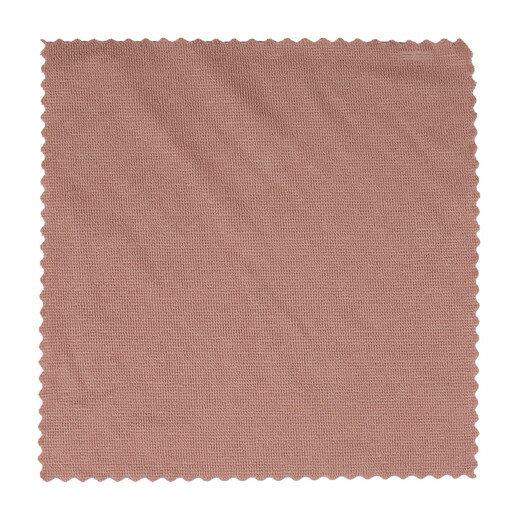
Why this choice suits this profile: Its compact size and pack of ten mean you can start with several cloths dedicated to everyday small tasks.
Its small size stops you having to handle a bulky cloth on handles, appliances or narrow surfaces.
Pack of 10 pieces, size 22.5 × 22.5 cm, can be used dry or slightly damp.
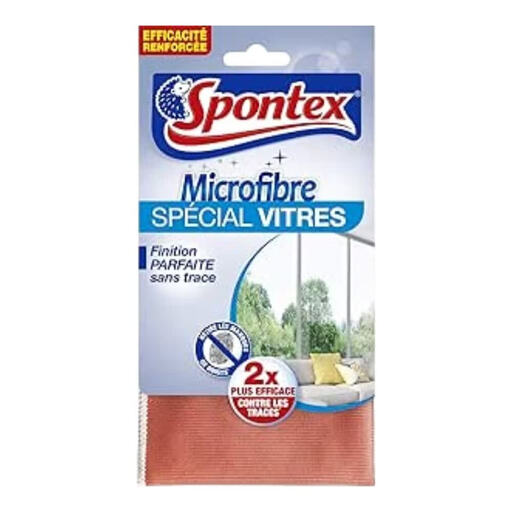
Why this choice suits this profile: This specialist model is designed for those who want to keep one cloth just for window cleaning and stick to a well-defined routine.
Its design for windows and its 35 × 35 cm size prevent you from mixing the cloth reserved for glass with those used in the kitchen.
Recycled microfibre, can be washed at 60 °C and used with water as per the manufacturer’s instructions.
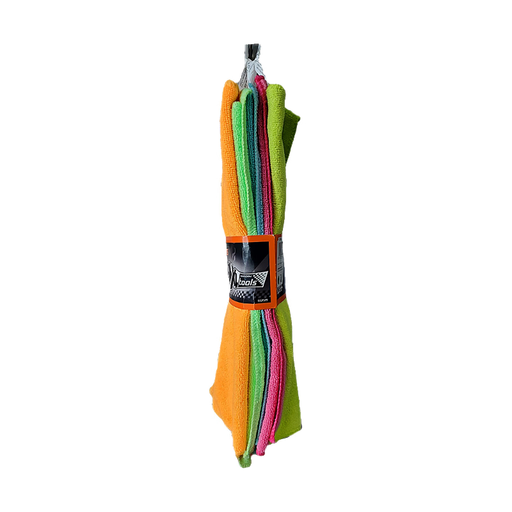
Why this choice suits this profile: Its XL size suits households that move between housework, car cleaning and large surfaces.
The 80% polyester and 20% polyamide composition, along with the stated density of 300 g/m², provide concrete benchmarks rather than just a marketing promise.
Set of 5, dimensions 40 × 40 cm, suitable for use both inside and outside the car and around the house.
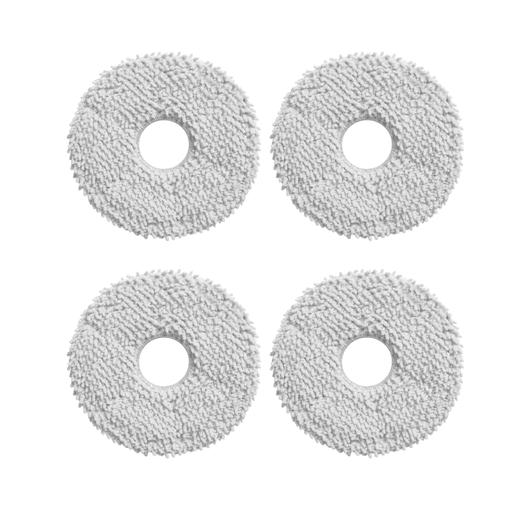
Why this choice suits this profile: These microfibre pads are designed to provide replacements compatible with a specific robot vacuum model.
The robot model is clearly stated: check compatibility before ordering rather than gambling on a so-called universal part.
Set of 4 washable pads, designed for floor cleaning.
We’ve put together a comprehensive, real-time updated list of products that meet these demanding selection criteria and European safety standards.
Yes. A cloth can be used dry for dusting or slightly damp to tackle everyday dirt. The result depends on the surface, its condition and how clean the fabric is. For a heavy grease stain or old deposit, follow the precautions given for the product and test on an inconspicuous area first.
It all depends on how often you use them, the type of dirt and the washing conditions. Some Spontex models claim up to 500 washes, under the conditions specified by the manufacturer. This is an indication specific to the product, not a guaranteed lifespan that applies to every household.
Yes, some sizes are designed for cleaning both the interior and the bodywork. However, keep a clean cloth just for the bodywork, check it contains no grit and avoid using it on a very hot surface. For screens and glossy plastics, a small 22.5 × 22.5 cm size gives you better control.