
Livraison le jour même ou le lendemain

Qualité garantie

Débloquez vos offres de bienvenue: Livraison GRATUITE | Jusqu'à -80 % | 30 jours d'essai gratuits à JoyPlus
Téléchargez l'application
The microfiber cloth is the undisputed star of modern cleaning. Its promise? A flawless clean, using little to no chemical products. On paper, it’s the miracle solution. In reality, not all cloths are created equal, and it's easy to get lost in a sea of aggressive marketing. Some lose all effectiveness after just two washes, while others leave frustrating streaks on surfaces you thought were perfectly clean.
As the Head of the Home section at Joybuy, my mission is to help you cut through the noise. Together, we'll break down the pitfalls to avoid and the criteria that truly matter for choosing the perfect microfiber cloth for your needs—without throwing your money away.
The market is saturated, and marketing claims are often misleading. Here are the two classic mistakes that lead directly to a purchase you'll regret.
1. The 'One-Size-Fits-All' Myth The promise of a single, 'do-it-all' cloth is appealing, but it's a gimmick. A thick, plush cloth that's excellent for trapping dust will inevitably leave lint and streaks on your windows. Conversely, a flat-weave cloth perfect for mirrors will never have the absorbency needed to mop up a spill in the kitchen. Believing in a single model for all tasks is the fastest path to disappointment and mediocre results.
2. The False Promise of Durability The eco-friendly cleaning argument—because they are washable and reusable—is on every package. Be warned: true durability depends entirely on the quality of the fibers and stitching. A low-quality cloth's fibers will clump together and lose their electrostatic charge after only a few machine washes. The seams can fray, rendering the cloth useless. A good investment is one that can withstand repeated washings without losing its cleaning properties.
To make an informed choice, you need to read between the lines, looking beyond the color and packaging. Two technical parameters make all the difference.
GSM, or grams per square meter (g/m?), measures the density of the cloth's fibers. This isn't just a minor detail; it defines the cloth's primary use.
The way the fibers are woven directly impacts the performance of the cleaning cloth.
Instead of an overwhelming list, here are targeted recommendations for specific needs, based on the criteria we've just discussed.
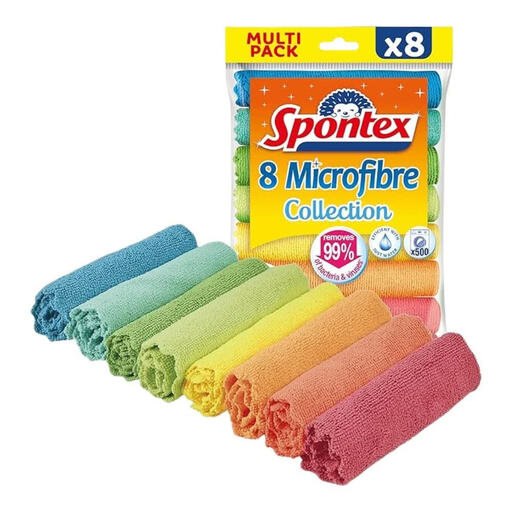
Why we chose it: For those looking for a practical and affordable solution to stock up without breaking the bank. This eight-pack allows you to dedicate a cloth to each area (kitchen, bathroom, dusting) while still getting reliable quality for everyday tasks.
This pack doesn't claim to be a miracle solution, but rather a solid foundation. It bypasses the 'one-size-fits-all' trap by providing enough units to dedicate a cloth to each specific use.
Excellent value for everyday use. Machine washable, they are a durable and cost-effective alternative to disposable paper towels.
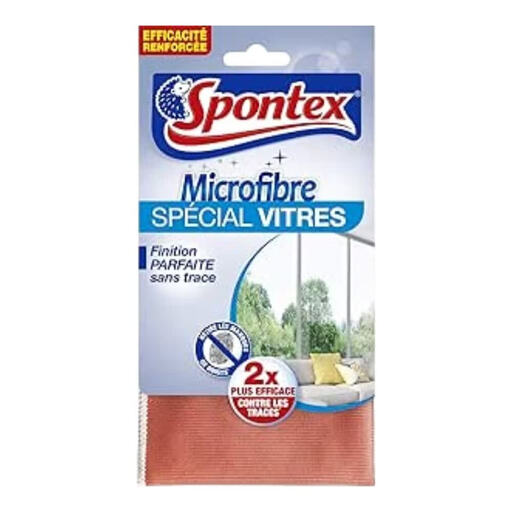
Why we chose it: For anyone waging a relentless war on streaks on mirrors, windows, or shower doors. This cloth is specifically designed for the task, with a texture that polishes the surface without leaving lint behind.
It's the perfect proof that a specialized tool always outperforms a 'universal' cloth. Its flat weave is optimized for a single mission: delivering a perfectly clear finish, something a terry cloth can't guarantee.
Incredibly effective with just water for removing fingerprints and hard water spots. A minimal investment for a professional-grade result.
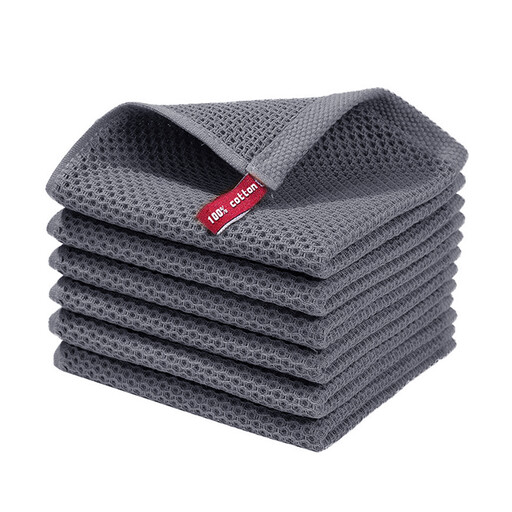
Why we chose it: The kitchen demands maximum absorption for drying dishes, hands, or countertops. The honeycomb weave of these towels is specifically designed to quickly soak up large amounts of liquid.
This product proves the importance of the weave. Instead of a standard terry cloth, its structure is optimized for absorption—a task the 'universal' cloth performs poorly.
Honeycomb structure for rapid absorption and quick drying. The six-pack allows for constant rotation, ensuring impeccable hygiene in the kitchen.
How often should you wash a microfiber cloth? For optimal hygiene and maximum effectiveness, it's best to wash your microfiber cloth after each heavy use (cleaning the kitchen, bathroom). For light dusting, a weekly wash may be sufficient. Machine wash them, ideally with non-linting textiles, at a temperature of 40°C to 60°C.
Why is my microfiber cloth leaving streaks? There are several possible reasons:
Can you use detergents with a microfiber cloth? Yes, but it's often not necessary. The very structure of microfiber is designed to dislodge dirt and bacteria with just water. If you do want to use a product, choose a pH-neutral detergent. Absolutely avoid bleach and products containing chlorine, as they will permanently damage the fibers.