
Livraison le jour même ou le lendemain

Qualité garantie

Débloquez vos offres de bienvenue: Livraison GRATUITE | Jusqu'à -80 % | 30 jours d'essai gratuits à JoyPlus
Téléchargez l'application
Getting fresh lemon juice without pips or splashes sounds simple… until the handle becomes difficult to operate, the fruit slips or the metal starts to wear. A manual lemon squeezer can remain a very practical everyday utensil, provided you choose a model suited to your habits.
Before comparing the different options, here are the most common pitfalls and the criteria to consider to avoid a disappointing purchase.
A shiny finish is not enough to prove that a lemon squeezer is made from stainless steel. Some listings mainly highlight a chrome or silver appearance without specifying the material used. For regular use, check that the product page clearly mentions stainless steel and, where possible, consult the information provided by the manufacturer.
The material alone does not guarantee the utensil’s longevity, but it does make it easier to compare models when the descriptions are sufficiently precise.
A manual citrus squeezer requires repeated pressure. A handle that is too short, a hinge that is difficult to reach or a cup that is poorly suited to the size of the lemons can quickly make it uncomfortable to use. The problem becomes particularly noticeable when preparing several drinks, a marinade or a sauce.
Examine the overall shape of the manual lemon squeezer, as well as how the fruit is held in place. A compact lemon press may be perfectly suitable for occasional use. For frequent preparation, a sturdier, better-designed model will generally be more comfortable to use.
A compact design can easily be stored in a kitchen drawer, a picnic basket or a small kitchenette. However, the hinge recesses and holes in the cup can trap pulp. Do not assume that the utensil is dishwasher-safe: this information should be clearly stated on the product page.
Rinsing it with water after each use helps prevent residue from building up. Then dry the utensil thoroughly, particularly when the exact composition of all its parts is not specified.
When choosing a stainless steel lemon squeezer, look for an explicit mention of the material rather than simply an indication of colour. The product page should also identify the manufacturer and, where applicable, the responsible person in the European Union.
This information does not replace reading the instructions for use, but it makes it easier to compare listings and contributes to a more transparent purchase. On Joybuy, check the description as well as the compliance information displayed on each product page.
A model designed for lemons should hold the fruit securely without completely crushing it. A cup that is too small may allow juice to run down the sides, while a poorly designed shape may require more pressure.
Precise dimensions are not always provided in listings. If you also use limes or small citrus fruits, check the compatibility stated by the seller before ordering. If you only need to add a few drops to a dish, a compact lemon juice extractor may be sufficient.
A manual lemon squeezer requires no cable, batteries or consumables, so its running cost is limited to the fruit itself. However, ease of use depends on how smoothly the hinge operates and how much room there is for your fingers.
To compare different designs, ask yourself the following questions:
The models below are suited to different uses. The information presented is based on their names and the details available on their product pages, without attributing any medical performance or undocumented effectiveness to them.
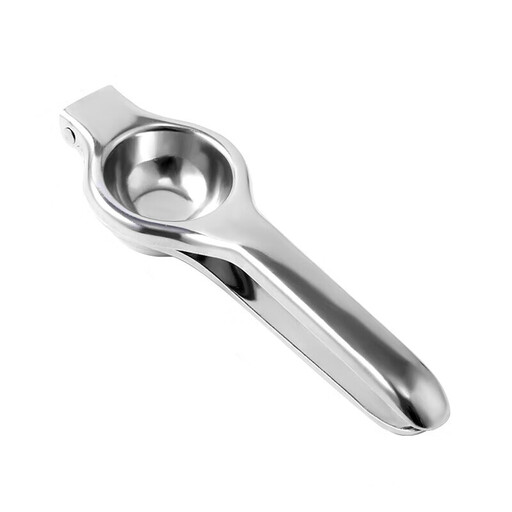
Why this choice suits this profile : Its name highlights a stainless steel design and a lemon-squeezer mechanism, making it suitable for simple everyday preparations.
The stated material is clearly shown in the product name, making it easier to compare with models whose composition is unclear.
Manual operation and an explicit mention of stainless steel in the product name.
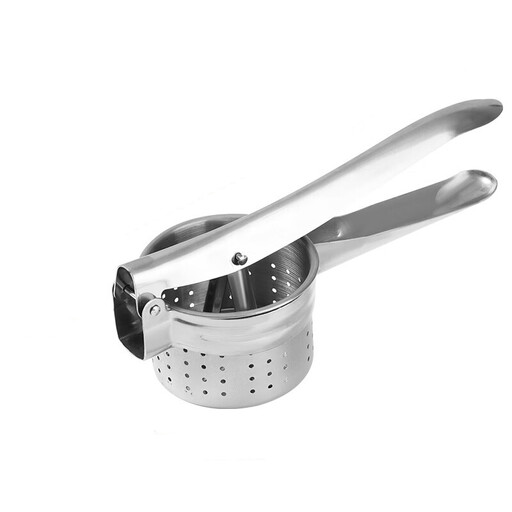
Why this choice suits this profile : This product name focuses on juice extraction and stainless steel construction, two features that may appeal to people looking for a durable kitchen utensil.
It does not rely solely on its visual finish: stainless steel is mentioned directly in its commercial name.
A name focused on juice extraction and stated stainless steel construction.
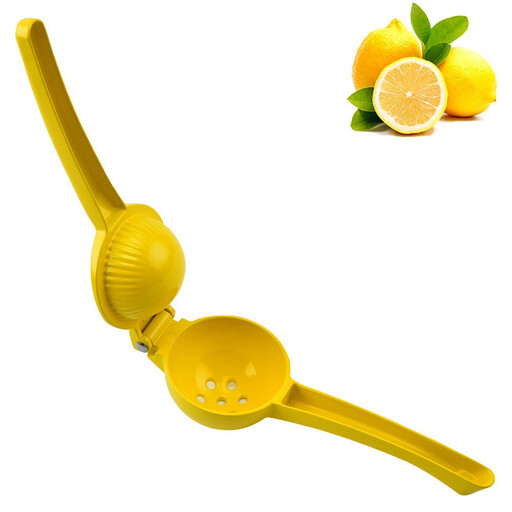
Why this choice suits this profile : Its name highlights the portable design and clip mechanism, which are practical in small spaces, when travelling or when squeezing directly over a glass.
The portable design is clearly stated, making it easy to distinguish from a bulkier lemon clip.
Stated portable design and manual extraction suited to occasional needs.
We have put together a complete, real-time updated list of products that fully meet these strict selection criteria and European safety regulations.
To extract the juice effectively, cut the lemon in half and place one half in the cup, following the direction indicated by the product’s shape. Apply steady pressure rather than a sudden movement. This will help limit splashing while giving you better control over the amount of juice extracted.
After each use:
A manual citrus squeezer uses no electricity and requires no special consumables. Care therefore mainly involves regular rinsing, thorough drying and avoiding excessive pressure on the handle.
Choose a model with clearly stated materials, an easy-to-grip handle and a cup suited to the size of the fruit you use. For everyday use, also check that hard-to-reach areas are easy to clean and read the manufacturer’s instructions.
Its lifespan depends on the quality of its construction, how often it is used and how well it is maintained. The words “stainless steel” can be used as a comparison criterion, but they are not enough to guarantee a specific lifespan. Also avoid forcing the handle when the fruit is too large or particularly firm.
Yes. A portable lemon squeezer can be very convenient for adding a few drops directly to a glass, jug or preparation. To produce larger quantities of juice, compare the cup capacity and ergonomics with those of a countertop model.