
Livraison le jour même ou le lendemain

Qualité garantie

Débloquez vos offres de bienvenue: Livraison GRATUITE | Jusqu'à -80 % | 30 jours d'essai gratuits à JoyPlus
Téléchargez l'application
A glass of orange juice at breakfast, a few drops of lemon in a recipe or a homemade cocktail: a citrus juicer may seem very simple, but its design has a direct impact on ease of use, the amount of juice collected and how easy it is to clean.
Before buying a lemon squeezer or citrus juicer, it is therefore worth looking beyond the colour and marketing promises. Some models are poorly suited to larger fruit, while others do not filter the pulp effectively or become a chore to clean after just a few uses. Here are the key criteria to consider when choosing the right utensil for your routine.
A compact citrus juicer is easy to store, but a reservoir that is too small can quickly become inconvenient when you need to prepare several glasses. A capacity of 400 ml is generally suitable for a small family preparation or occasional use. For several people, a 500 ml bowl or larger means you will not have to interrupt preparation to empty it.
Dimensions matter too. An appliance that is too tall or too wide may be difficult to slide under a cupboard or fit into a drawer. So check its height, depth and base stability before placing your order.
Pulp is not suitable for every recipe. For a textured drink, a simple cone may be enough. To achieve a smoother juice, a citrus juicer with pulp separation is more practical.
However, take care with removable parts that are difficult to dismantle. A fine filter catches more fibres, but it also requires thorough rinsing. Ease of maintenance should be weighed against the function you are looking for.
Claims such as ‘maximum extraction’ or ‘high yield’ do not always make it possible to compare models objectively. The result depends on the fruit, its ripeness, its size and the pressure applied.
To avoid unpleasant surprises, focus instead on verifiable details: operating method, power for electric models, capacity, dimensions, materials, number of settings and care instructions.
The manual citrus juicer works without an electrical socket. It is suitable for lemons, limes and small quantities of juice. Usually lightweight, quiet and easy to take with you, it can be used in the kitchen or when travelling. A clip-on lemon squeezer can even be positioned directly over a dish or glass.
The electric citrus juicer requires less effort when you regularly prepare orange or grapefruit juice. Check that its voltage is compatible with the French mains supply, along with its power, reservoir capacity and whether the parts that come into contact with food can be removed. The Bear model shown below specifies a power supply of 220–240 V, 50–60 Hz and a power rating of 30 W.
A capacity of 400 ml is suitable for moderate everyday use. A 500 ml model will be more convenient for a family or when preparing several drinks one after another. However, the dimensions must remain compatible with your worktop and storage space.
A non-slip base helps prevent movement while pressing. For an electric appliance, place it on a stable surface and follow the instructions for unplugging it before cleaning or moving it.
Acrylic often makes it possible to achieve a lightweight construction, while stainless steel is valued for its resistance to corrosion and durable appearance. In all cases, refer to the manufacturer's recommendations.
If the product is not dishwasher-safe, wash it by hand with a soft sponge and a suitable detergent. Removable parts should be rinsed promptly after use to prevent fibres and sugar from the juice drying in the grooves.
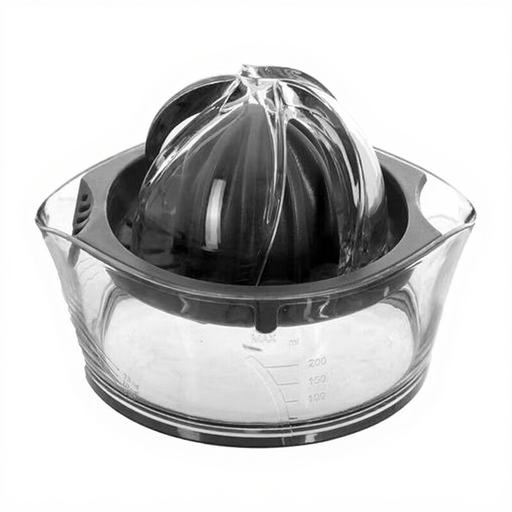
Why this choice suits this profile: This 180 g manual citrus juicer is ideal for beginners and smaller kitchens. Its 25 × 10 × 15 cm format is easy to store on a worktop.
Its 0.4-litre bowl and separate pulp compartment deliver the advertised function in a practical way, without requiring an electrical connection.
0.4-litre capacity, pulp separation and manual operation. Hand washing recommended.
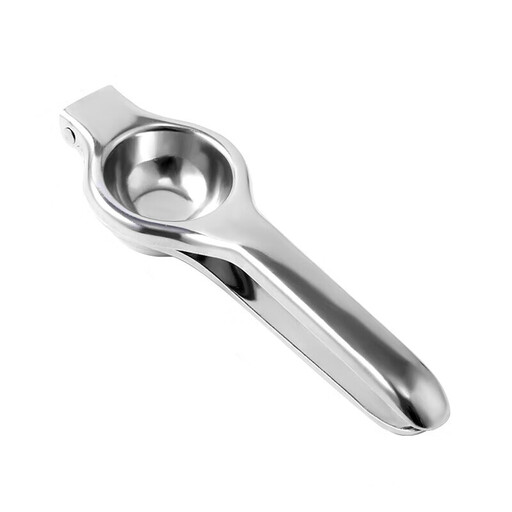
Why this choice suits this profile: This manual stainless steel lemon squeezer is designed for anyone looking for a simple utensil for citrus fruit used in cooking and drinks.
The steel prioritises durability over purely decorative appeal, with direct manual pressing.
Stainless steel construction and a format suited to pressing lemons.
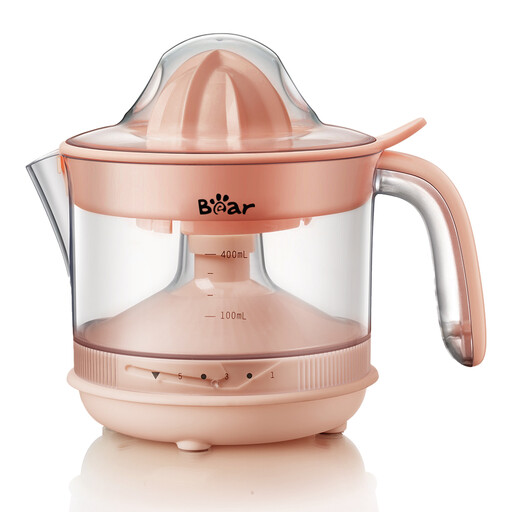
Why this choice suits this profile: This 30 W, 400 ml electric model is suitable for people who regularly prepare orange, lemon or grapefruit juice at home.
Its five pulp settings and detachable parts let you adjust the texture while making cleaning easier.
400 ml capacity, five pulp settings, non-slip base and 220–240 V power supply.
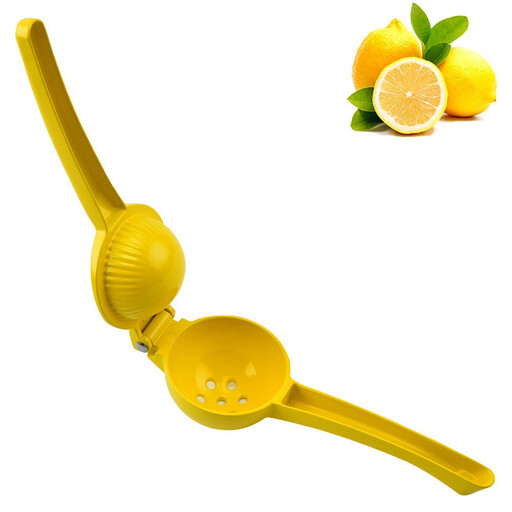
Why this choice suits this profile: This portable citrus juicer is ideal for anyone who wants to add lemon to a drink, salad or dish without carrying around an electric appliance.
Its manual operation requires neither a socket nor a battery, reducing hassle when you are travelling.
Portable format, suitable for pressing lemons, with no electrical power required.
We have put together a complete, real-time updated list of products that meet these demanding selection criteria and European safety standards.
For a few oranges now and then, a manual model with a reservoir is sufficient. For frequent use, a 30 W electric orange juicer with a 400 ml capacity reduces effort and speeds up preparation. A pulp setting can also be useful if members of your household prefer different textures.
A 400 ml reservoir is suitable for a moderate quantity of juice. To serve several glasses one after another, a capacity of 500 ml or more will be more convenient. However, keep storage and cleaning in mind: a large container is only worthwhile if it remains easy to handle.
Its lifespan depends on how often it is used, the force applied to a manual model and the quality of its care. To help preserve the appliance, avoid pressing fruit that is too hard, clean the parts after every use and follow the limits specified by the manufacturer. An electric model must also be used with a compatible voltage and placed on a stable surface.