
Livraison le jour même ou le lendemain

Qualité garantie

Débloquez vos offres de bienvenue: Livraison GRATUITE | Jusqu'à -80 % | 30 jours d'essai gratuits à JoyPlus
Téléchargez l'application
Making juice at home sounds simple… until your appliance leaves you with soggy pulp, jams on fibrous vegetables or demands an endless clean-up after every glass. Choosing a juicer is therefore not just about comparing power or design. The technology used, the size of the feed chute and ease of cleaning all have a direct impact on everyday convenience.
Higher wattage does not necessarily guarantee better juice. A centrifugal juicer relies on very high-speed rotation to extract the liquid, but it can produce more foam and often requires ingredients to be prepared more carefully. By contrast, a slow juicer operates at a lower speed using a pressing auger. It is better suited to people who prefer gradual extraction and are happy to take a little longer.
When comparing models, look at the full specification sheet: rotation speed, mechanism type, maximum continuous operating time and the capacity of each container.
A wide feed chute can reduce the time spent chopping fruit and vegetables. However, it does not mean that every food can be inserted whole. Hard stones, large pips, long fibres and thick skins may jam the mechanism. The manufacturer’s recommendations are therefore essential, particularly when using citrus fruit, celery, carrots and stone fruit.
A genuinely practical juicer should have removable parts that are easy to access, a filter that can be brushed properly and a well-designed pulp ejection system. A claim such as ‘clean in one rinse’ should be taken for what it is: a general indication. Sugary or fibrous residue may still require a brush and thorough washing.
For one person, a reservoir holding a few hundred millilitres may be more than enough. For a family, a juicing machine with a separate pulp container and a larger juice receptacle means you will not have to interrupt preparation too often. However, keep an eye on the usable capacity: a 1.8-litre reservoir will not necessarily produce 1.8 litres of juice.
The continuous operating time also deserves your attention. Some appliances need to pause after a few minutes to allow the motor to cool down. This is particularly important for a professional juicer or when using the appliance intensively at home.
Prioritise models whose parts are easy to dismantle, which come with a good range of accessories and whose materials are described as suitable for food contact. Tritan, stainless steel and certain food-grade plastics are commonly used, but the specification sheet should identify the components concerned.
As with any electrical appliance, the motor unit must never be immersed in water. Unplug the juicer before dismantling it and use only the supplied pusher. Filters and extraction augers may have sharp edges or cutting areas: use the appropriate cleaning accessory to clean them, never your fingers.
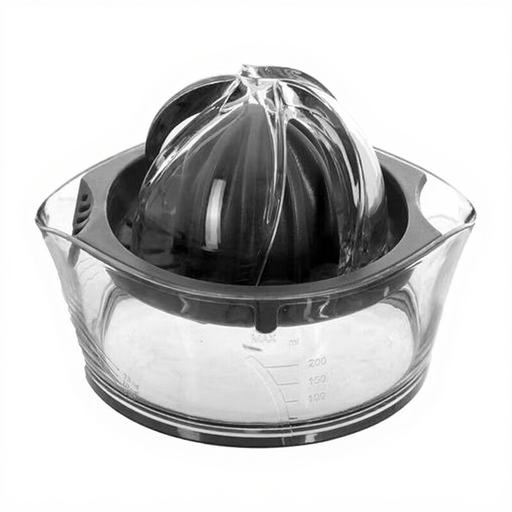
Why this choice suits this profile : this manual citrus press is suitable for small quantities, less well-equipped kitchens and anyone who would rather avoid electrical appliances.
Its manual operation eliminates the risk of the motor overheating, while its design separates the juice from the pulp. However, it will need to be washed by hand.
0.4-litre capacity, stated weight of 180 g and compact format. It is suitable for lemons, limes, oranges and grapefruits.
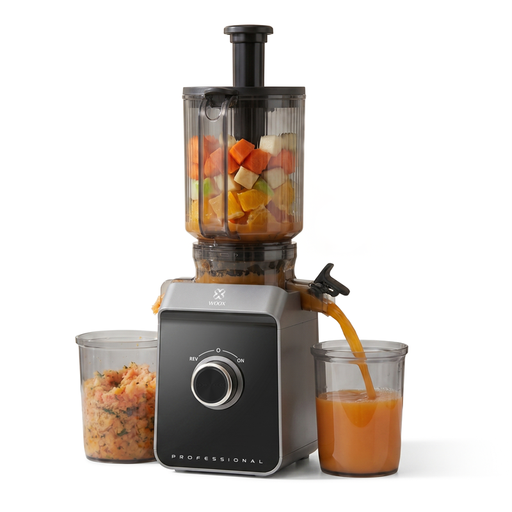
Why this choice suits this profile : its 1.8-litre chamber and stated 130 mm feed chute are designed for households that regularly prepare several glasses of juice.
Its capacity reduces the number of interruptions. The removable parts are stated to be dishwasher-safe, but the motor unit must be kept away from water at all times.
Stated 150 W motor, 726 ml cup, 836 ml pulp container and overheat protection.
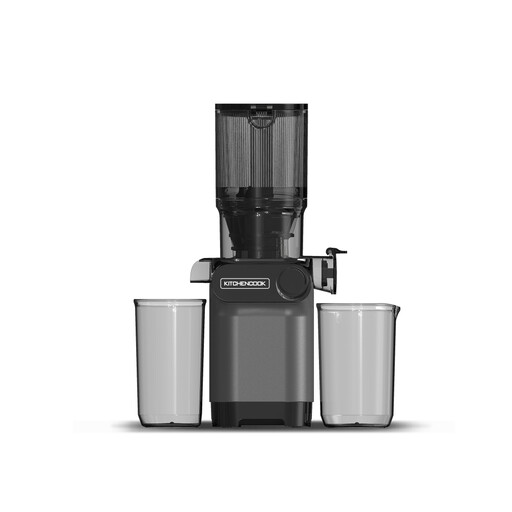
Why this choice suits this profile : this slow juicer is designed for people who want to prepare fruit and vegetable blends while easily separating the pulp.
The reverse function can help release a stuck ingredient. The 108 mm feed chute also reduces preparation time, but you still need to remove stones and observe the motor’s recommended rest periods.
Stated power of 200 W, speed of 45 to 70 rpm, 800 ml glass, 600 ml pulp container and stated two-year warranty.
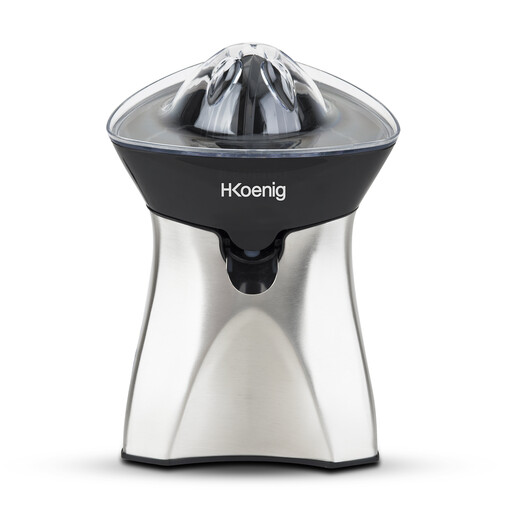
Why this choice suits this profile : it focuses on pressing citrus fruit and is ideal for regular breakfasts, without the need to prepare vegetables.
The two cones adapt pressing to several citrus fruit sizes. The anti-drip spout helps prevent spills, but the components must be rinsed after every use.
60 W motor, interchangeable cones, protective cover and anti-drip spout.
We have put together a complete, real-time updated selection of products that meet these selection criteria and European safety requirements.
Before finalising your purchase, remember to check the following:
To keep your appliance in good condition, wash the components immediately after extraction, remove fibres before they dry and allow each part to dry completely before reassembling it. This routine helps prevent unpleasant odours and makes your next uses much more enjoyable.
It depends entirely on the appliance’s power and how long it is used. A 30 to 60 W citrus press used for a few minutes consumes very little per session. A 150 to 600 W model uses more, but the actual operating time remains the deciding factor. Check the stated power and avoid prolonged cycles that are not recommended in the instructions.
This depends on how often it is used, whether recommended rest periods are observed and how well it is maintained. Do not force ingredients through, remove stones and use the supplied pusher. A poorly cleaned filter can slow the flow and make the motor work harder. The length of the warranty and availability of spare parts are also important factors to check before buying.
Choose an orange and lemon citrus press if you mainly prepare citrus fruit. For recipes using apples, carrots, cucumbers and leafy vegetables, a slow juicer will be better suited. A centrifugal juicer may be worth considering if speed matters more than versatility.