
Livraison le jour même ou le lendemain

Qualité garantie

Débloquez vos offres de bienvenue: Livraison GRATUITE | Jusqu'à -80 % | 30 jours d'essai gratuits à JoyPlus
Téléchargez l'application
An airtight food storage container? On the surface, it seems like the simplest purchase in the world. And yet... who hasn't cursed at a sauce leaking into their bag, a plastic container stained for life by lasagna, or a lid with impossible-to-clean corners? Far from being inevitable, these little daily dramas are often the result of misleading marketing promises or well-hidden design flaws.
To avoid banishing your new container to the back of a cupboard after just a few months, here are the three main pitfalls to avoid:
Keeping these points in mind is the key to a successful purchase, whether you're looking for a kids' lunch box for school, jars for pantry organization, or containers for your meal prep.
To sort through the options, focus on the few technical points that truly make a difference in the quality and lifespan of your container.
The material of your container determines everything: its use, its maintenance, and its longevity.
A container's effectiveness all comes down to its seal. The most reliable models rely on a dynamic duo:
Always check the manufacturer's pictograms. A truly practical container should fit effortlessly into your routine. Compatibility with the freezer, microwave (always without the lid), and dishwasher is the life-changing trio that will let you freeze leftovers, heat up a meal at the office, or skip the chore of washing up.
Rather than an endless catalogue, we've selected models that excel in their category, always keeping durability and practicality in mind.
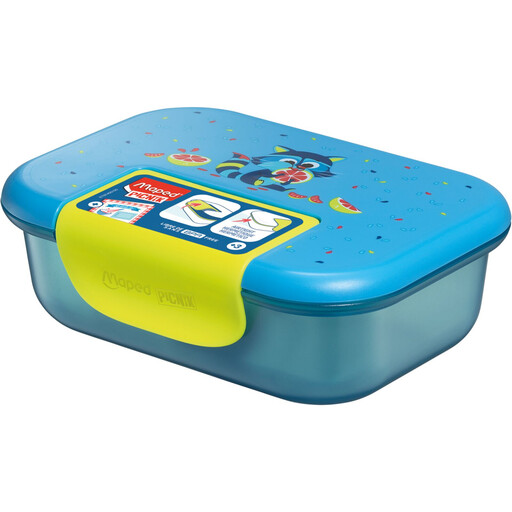
Why we recommend it: This kids' lunch box was designed for the hectic daily life of schoolchildren. Its stainless steel base withstands bumps in a backpack without flinching, and its locking clip is easy for little hands to operate. The killer feature: the attached lid, so it never gets lost in the cafeteria.
The stainless steel base is impervious to odours and stains, thereby avoiding the pitfall of degrading materials. Its clean design makes cleanup as simple as possible.
Durability and a kid-friendly design (easy clip, can't-lose lid).
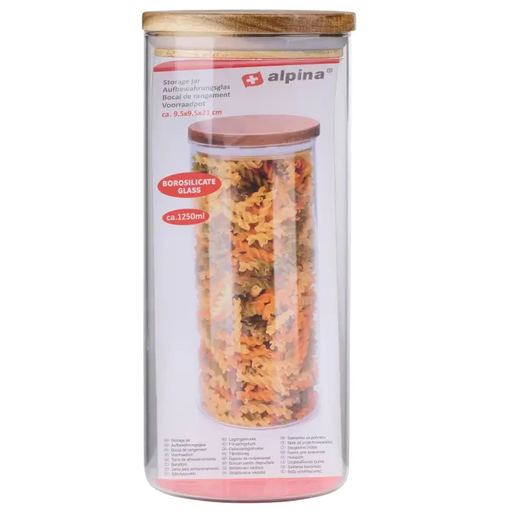
Why we recommend it: For those who want a kitchen that's as beautiful as it is practical, this glass jar is the perfect solution. Its square shape optimizes every inch of space, whether you stack them or line them up. The acacia wood lid adds a warm and very trendy touch.
Glass, a perfectly neutral material, won't stain or retain any odours. It's the ideal way to preserve the flavour of your dry goods (pasta, rice, legumes).
An elegant design and a square shape designed for picture-perfect pantry organization.
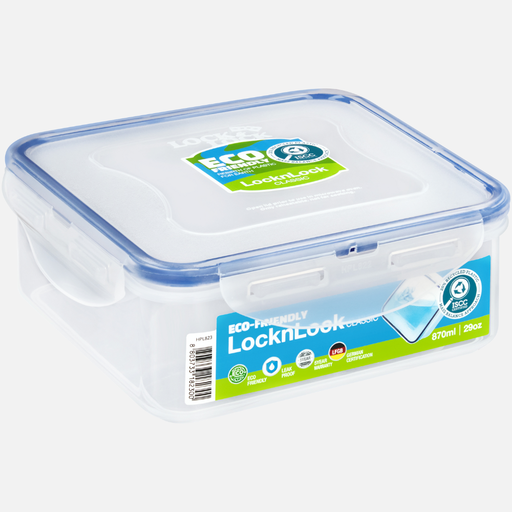
Why we recommend it: This lunch container is a true classic, and for good reason. Its versatility is its greatest strength: it goes from the freezer to the microwave (without its lid) and then into the dishwasher without a problem. Its BPA-free plastic is feather-light for transport, and its locking system is famously foolproof.
It tackles pitfall #1 head-on: its four-clip locking system, combined with the silicone gasket, is designed to be 100% airtight AND leak-proof. Say goodbye to liquid leaks!
Extreme versatility and a rock-solid seal for hassle-free daily use.
Explore our full selection of products that meet our demanding selection criteria and current safety standards.
1. What is the difference between airtight and leak-proof? An airtight container blocks the passage of air. This is ideal for slowing down oxidation and keeping your biscuits crisp or your coffee aromatic. A leak-proof container, on the other hand, prevents liquids from escaping. To transport soup or a saucy dish without risk, you need a container that is both: airtight AND leak-proof.
2. How do you remove stubborn odours from a plastic container? If your food-grade plastic container has absorbed an odour, fill it with a mixture of warm water and baking soda. Let it sit for several hours (or overnight for tough cases), then rinse. An old-fashioned trick for stains: a little sunbathing after cleaning can work wonders.
3. Can you freeze food in a glass jar? Yes, but with a few precautions. Make sure to choose a glass jar designed to withstand thermal shock (this is often specified). The golden rule: never fill it to the brim! Always leave 1-2 inches (2-3 cm) of empty space at the top. The water in food expands as it freezes, and this safety gap will prevent your jar from cracking or shattering.