
Livraison le jour même ou le lendemain

Qualité garantie

Débloquez vos offres de bienvenue: Livraison GRATUITE | Jusqu'à -80 % | 30 jours d'essai gratuits à JoyPlus
Téléchargez l'application
Switching to glass food containers is a smart move for a healthier, more sustainable, and versatile kitchen. But beware of market promises that don't always deliver. A lid advertised as "airtight" that leaks in your bag, a dish that cracks at the first thermal shock... These unfortunately common disappointments can be avoided.
As the Head of Product Recommendations at Joybuy, my mission is to help you cut through the noise. Let's forget the marketing jargon and focus on the criteria that truly matter. This guide breaks down the pitfalls to avoid and the technical features you should never overlook to make an informed choice that fits your daily life and your budget.
Before looking at specific models, it's crucial to recognise what seems like a good idea but isn't.
To avoid these traps, three technical points are an absolute must-check.
Not all glass is created equal. The main distinction is between soda-lime glass (standard) and borosilicate glass.
The effectiveness of an airtight glass jar rests entirely on its lid.
The container is glass, but the lid is often plastic. It is imperative to ensure it is certified BPA-free (Bisphenol A) and free of other controversial substances. A quality lid should also be easy to clean, with a removable gasket to prevent mould growth.
Rather than searching for a single model that does everything (and often does it all poorly), it's better to choose a container suited to your primary use. Here is our selection, designed for specific needs.

Why we chose it: For those who want to combine function with style. With its design inspired by Roman amphorae and its acacia wood lid, this jar becomes a true decorative object. Perfect for displaying your dry goods (coffee, nuts, pasta) on the countertop or a shelf.
As a specialist for dry foods, it doesn't falsely claim to be oven-safe, thus avoiding the "do-it-all" trap. Its silicone seal ensures good protection against moisture, which is essential for this purpose.
Its unique design transforms a simple storage jar into a decorative piece in its own right.

Why we chose it: A timeless classic for meal prep. This glass dish with a lid is designed for versatility: prepare, store, reheat, and even bake. Its rectangular shape is ideal for optimising space in the fridge.
Made from borosilicate glass, it's designed to withstand thermal shock. PYREX's reputation for robust glass makes it a reliable choice for oven use (without the lid).
Its proven versatility (oven, microwave, freezer) and the durability of glass that isn't afraid of the heat.
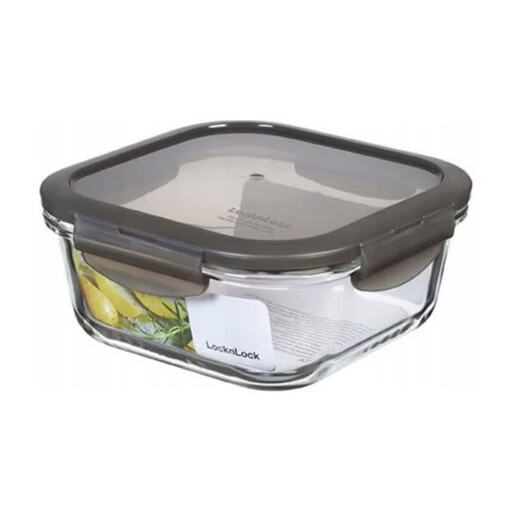
Why we chose it: This is the ultimate all-rounder. Ideal for storing leftovers, taking lunch to work, or storing portions. Its 750ml capacity is a practical middle ground, and its square shape makes storage easy.
It tackles the "questionable seal" pitfall head-on. Its 4-clip locking system, combined with a silicone gasket, ensures a truly airtight and leak-proof closure, making it ultra-reliable for transport.
Its proven 4-clip locking system for a foolproof seal, combined with durable borosilicate glass.
Discover our full selection of glass containers that meet our strict quality criteria and the most demanding safety standards.
No, this is a very bad idea. Even a borosilicate glass dish can crack under extreme thermal shock. The right way: always let the dish cool to room temperature (15-20 minutes is enough) before placing it in the refrigerator or freezer.
The foolproof test: fill the container with water, close it, then shake it and turn it upside down (over the sink, of course!). If not a single drop escapes, the seal is validated. Systems with 4 clips and a thick silicone gasket are generally the top performers.
Most lids from reputable brands are now made from BPA-free plastic. This is a detail you must check on the packaging or in the product description. For microwave reheating, it is often recommended to remove the lid or simply place it on top of the container without clipping it shut to allow steam to escape.