
Livraison le jour même ou le lendemain

Qualité garantie

Débloquez vos offres de bienvenue: Livraison GRATUITE | Jusqu'à -80 % | 30 jours d'essai gratuits à JoyPlus
Téléchargez l'application
A good kitchen sponge may seem like a simple purchase, but who hasn't cursed a model that falls apart after three washes, scratches a brand-new pan, or turns into a nauseating breeding ground for bacteria? Faced with crowded aisles and tempting marketing promises, it's hard to know what to choose. To guide you, our editorial team has broken down the traps to avoid and the criteria that truly matter before you pull out your credit card.
Making the right choice starts with knowing how to spot bad ideas and hidden flaws that can quickly turn a simple purchase into a daily frustration.
To avoid falling for these traps, you just need to check a few essential points. This will help you sort through the options and invest in a model that is both effective and durable.
This is the core of the sponge; it determines its absorbency and lifespan.
This is what does the heavy lifting, so it's crucial to choose it based on your dishes and habits.
A good sponge must also be practical and hygienic for daily use.
Every kitchen is different. We've selected three models that meet specific needs, all while avoiding the pitfalls we've just listed.
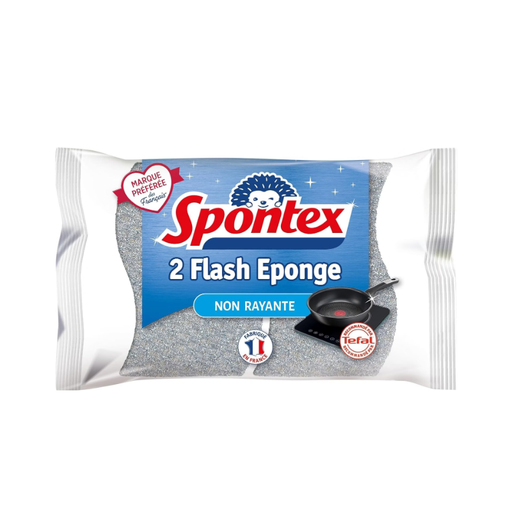
Why we chose it: Tired of scratching your non-stick pans, ceramic hob, or fragile dishes? This is the sponge you need.
It tackles pitfall #1: excessive abrasion. Its scouring side uses soft, aluminium-coated fibres, a technology designed to scrub without ever scratching.
The seal of approval from Tefal is an excellent indicator of its gentleness. The cherry on top: it's machine washable at 40°C for perfect hygiene.
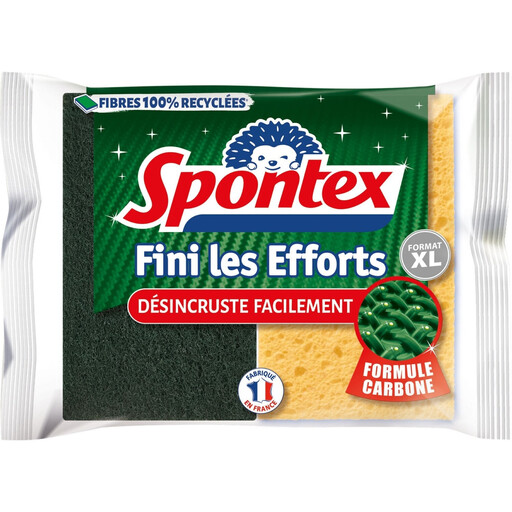
Why we chose it: For those who battle burnt-on food on casserole dishes, oven racks, or cast-iron pots and need superior scrubbing power.
No more sponges that give up on burnt-on messes. Its carbon-reinforced surface is designed for a heavy-duty scouring action where others fail.
Built for impossible missions, it tackles the most stubborn, caked-on dirt. A significant saving of time and elbow grease.
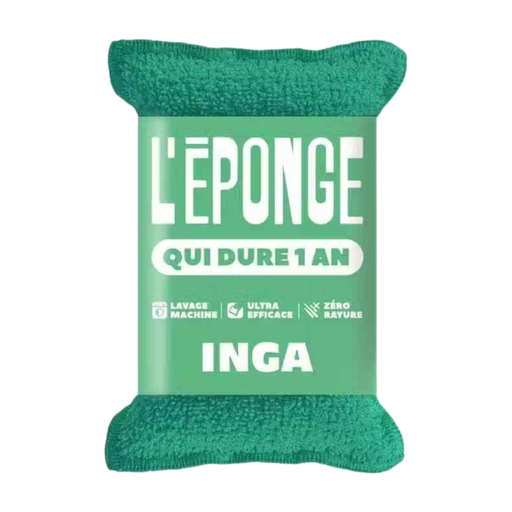
Why we chose it: The perfect solution for those who want to reduce waste and expenses by opting for a durable, reusable alternative.
It counters the trap of planned obsolescence. Designed to last up to a year, it makes disposable sponges obsolete and proves far more economical in the long run.
Its secret? It's a washable and reusable sponge. A cycle in the dishwasher at 60°C is all it takes to disinfect it for impeccable hygiene, use after use.
Explore our full selection of products that meet our quality criteria and current safety standards.
It all depends on its quality and how you use it. For a standard sponge, hygiene experts recommend replacing it every two weeks. More durable, washable models can last several months, or even a year, with regular maintenance.
The basics: after each use, rinse it thoroughly, wring it out well, and let it air dry (avoid letting it fester in the bottom of the sink!). For a deep clean, a trip through the dishwasher or washing machine (according to the manufacturer's recommendations) is ideal. A classic trick? A soak for a few minutes in a mixture of water and white vinegar.
This is non-negotiable: you need a non-scratch sponge. Look for "non-scratch" or "special for delicate surfaces" on the packaging. These sponges use soft fibres or specific technologies that preserve the most fragile coatings. Trust models recommended by major kitchenware brands, like Tefal: it's often a seal of approval.