
Livraison le jour même ou le lendemain

Qualité garantie

Débloquez vos offres de bienvenue: Livraison GRATUITE | Jusqu'à -80 % | 30 jours d'essai gratuits à JoyPlus
Téléchargez l'application
Washing dishes is a daily chore for many. But for those with sensitive skin, it's often an ordeal. Redness, tightness, itching... our hands pay the price when faced with harsh detergents. As a result, the hypoallergenic dish soap aisle has exploded in popularity. The problem: how do you navigate the marketing promises to understand a product's true formula?
Yet, choosing the right product shouldn't be a headache. The goal is simple: sparkling clean dishes and hands that don't suffer. However, many fall into the classic traps: being swayed by green-looking packaging without checking the labels, or choosing a formula so "gentle" that it no longer cuts through grease. Our guide is here to cut through the noise, equip you with the right knowledge, and help you make the best choice.
Before you head to the checkout, watch out for these two common mistakes that often lead to disappointment:
To make the right choice, three criteria should be carefully examined.
The word "hypoallergenic" means the formula is designed to minimise the risk of allergies. In practice, manufacturers exclude the most well-known irritants. Look for the absence of:
To find your way, certifications are your best allies. The EU Ecolabel, for example, is an excellent benchmark: it guarantees a controlled environmental impact, proven effectiveness, and the absence of many undesirable substances. It's a safe bet, especially for a baby dish soap, where safety is non-negotiable.
A dish soap has to clean. Period. Its effectiveness relies on surfactants, the molecules that tackle grease. Modern formulas favour plant-based surfactants (derived from sugar, coconut, etc.) that combine strong cleaning power with great gentleness, unlike some of their petrochemical cousins.
Ingredients like black soap or vinegar, renowned for their degreasing action, are also excellent assets. A product that incorporates them checks all the boxes: performance and gentleness.
An eco-friendly dish soap isn't just about the formula. The packaging matters just as much. Make it a priority to choose:
To put theory into practice, here is our selection of products that check all the boxes, each meeting a specific need.
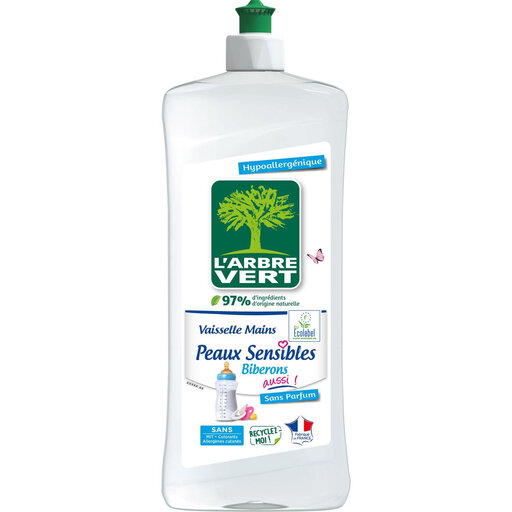
Why we chose it: Specially formulated for baby bottles, pacifiers, and baby dishes, it's also suitable for the whole family. Its fragrance-free composition, with no listed allergens, provides complete peace of mind.
The EU Ecolabel certification and the "baby-specific" mention are solid guarantees, far more reliable than a simple marketing claim.
An all-in-one formula that's ultra-safe for little ones and effective for everyday dishwashing.
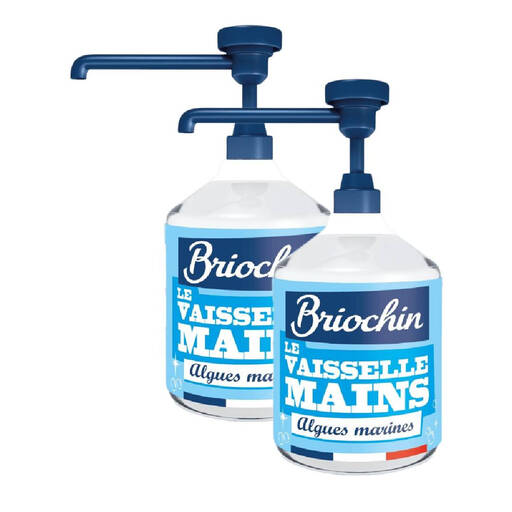
Why we chose it: It combines the formidable, traditional effectiveness of black soap with marine algae extracts, known for their softening properties. A recipe that relies on trusted ingredients to blend cleaning power with hand care.
It makes no compromises on effectiveness. The black soap is a powerful degreaser that proves you can respect your skin without giving grease a chance.
A formula inspired by traditional expertise and an ultra-practical pump bottle for precise, waste-free dispensing.
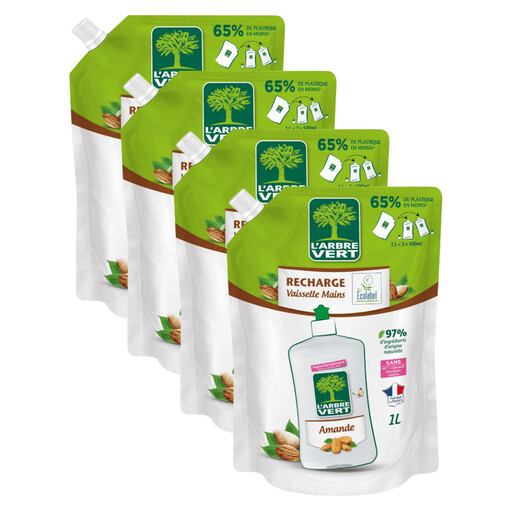
Why we chose it: This is THE solution for reducing your plastic consumption. This eco-refill format saves 65% of plastic compared to buying standard bottles, without compromising on the quality of the effective, hypoallergenic formula.
It tackles over-packaging head-on with a dish soap refill solution that combines an eco-friendly action with an impeccable formula.
Unbeatable value for money and a significantly reduced plastic footprint, all with a formula that cares for your hands.
Caring for your skin and the planet doesn't stop at the sink. If this approach resonates with you, and you're looking for the same high standards for your laundry to avoid irritation, take a look at our selection of hypoallergenic laundry detergent.
If respecting your skin is your number one priority, discover our selection of laundry detergents formulated with the same exacting standards.
Yes, absolutely. Effectiveness has nothing to do with allergens and everything to do with the quality of the surfactants. Modern hypoallergenic formulas use high-performance, plant-based cleaning agents that are very effective against grease. To be sure, look for "degreasing power" on the label and read reviews from other consumers.
The easiest way is to choose a product explicitly labelled as "baby dish soap" or "for baby bottles." Ensure the formula is free of fragrances, dyes, and listed allergens. In any case, the golden rule remains the same: rinse thoroughly with clean water after every wash.
Even though it's formulated to be gentle, a dish soap is still a detergent. Its job is to degrease dishes, not to cleanse skin. Its pH and composition are not designed for cosmetic use. For hand hygiene, nothing replaces a real soap designed specifically for that purpose.