
Livraison le jour même ou le lendemain

Qualité garantie

Débloquez vos offres de bienvenue: Livraison GRATUITE | Jusqu'à -80 % | 30 jours d'essai gratuits à JoyPlus
Téléchargez l'application
A sponge that holds onto odours, a cloth that leaves streaks, or a mop that’s too wet can quickly turn cleaning into a long, costly chore. To choose home cleaning accessories that are genuinely right for you, it’s worth looking beyond the promises printed on the packaging.
Three common pitfalls keep cropping up:
Microfibre cloths are ideal for dusting, windows and many smooth surfaces. Their fine fibres trap particles effectively, provided you wash them without fabric softener to avoid clogging them. If you’re looking for a streak-free window cloth, also consider the size: a piece measuring 30 × 40 cm or 35 × 35 cm is easy to handle, while a larger model covers more surface area.
For washing up and cleaning the kitchen or bathroom, make sure you distinguish between the two sides of a sponge:
Even a sponge labelled “non-scratch” doesn’t let you off testing it on an inconspicuous area first. Non-stick surfaces, delicate glass and certain plastics require gentle pressure and a suitable accessory.
A washable sponge should state the maximum washing temperature and, if possible, the number of cycles the manufacturer expects. Some washable and reusable sponges can go in the washing machine or dishwasher. That makes it easy to rotate several accessories and limit moisture build-up.
Rinse sponges after every use, wash them separately from delicate fabrics and leave them to air dry. Replace them as soon as they become misshapen, tear or develop a persistent smell. A stated lifespan doesn’t guarantee hygiene – it all depends on how often you use them and how well you look after them.
For floors, a microfibre mop with a flat head slides more easily under furniture. A bucket that separates clean water from dirty water reduces contact with water that’s already full of dust. For windows, a slightly damp cloth followed by a pass with its dry side can save you from reaching for a cleaning product every time.
Disposable wipes are still useful when you’re short on time or need to tackle a small area. However, always check which surfaces are allowed: some wet wipes are not suitable for oiled or waxed wood, unvarnished floors or carpets.
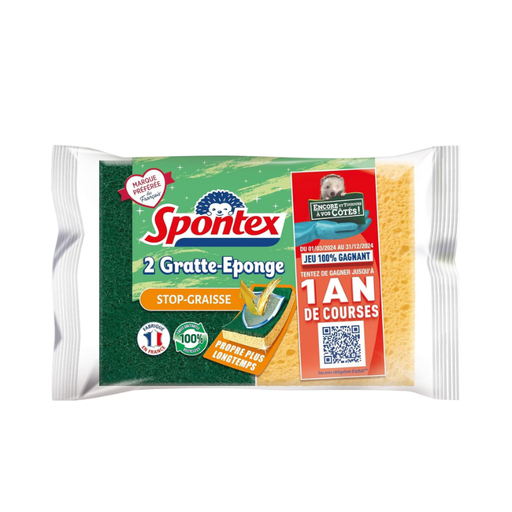
Why this choice suits this profile: This pack of two sponges is enough for everyday washing up and cleaning tasks, without cluttering your cupboard with lots of different products.
The product description states that the scouring fibres hold onto less grease and that the sponge is washable at 40 °C. However, the scouring side should not be used on delicate surfaces.
Pack of 2, absorbent part made from plant-based cellulose and manufactured in France.
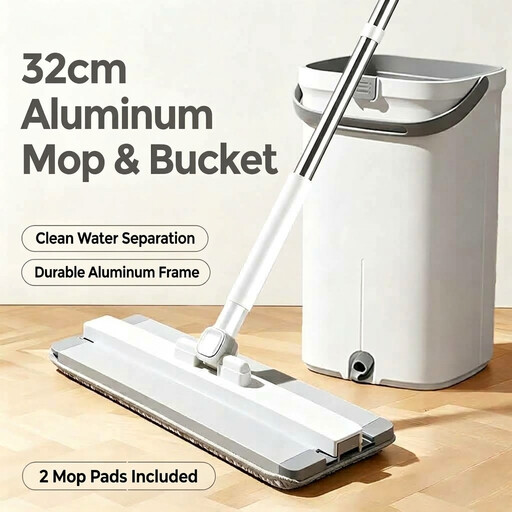
Why this choice suits this profile: Its two-compartment bucket is ideal for households that want to organise floor cleaning more effectively and reduce the amount of handling.
The advertised separation between rinsing and wringing stops you from dipping the mop head back into water that’s already dirty. You still need to empty and clean the bucket after each use.
32 cm flat head, hands-free wringing and microfibre pad that can be used dry or damp.
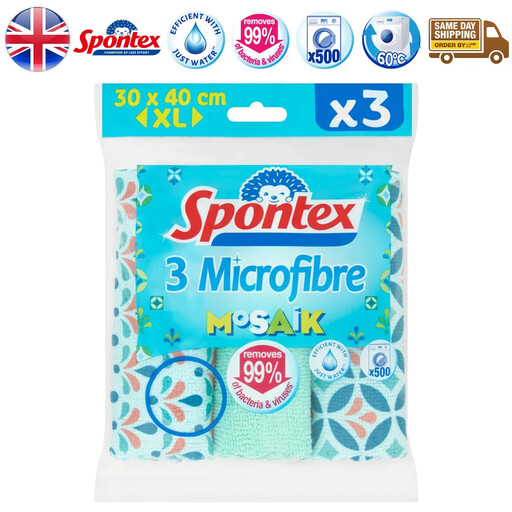
Why this choice suits this profile: This pack is ideal for families who switch between dusting, cleaning damp surfaces, washing up and regular maintenance.
The stated washability of up to 500 cycles cuts down on frequent replacements. The manufacturer recommends washing at 60 °C, without fabric softener or tumble drying.
Three cloths measuring 30 × 40 cm, usable dry or damp, made from polyester and polyamide.
We’ve put together a comprehensive, real-time list of products that meet these strict selection criteria and comply with European safety regulations.
How often you replace it depends on its condition, how you use it and how it dries. Many product descriptions recommend changing sponges regularly – sometimes every two months or so for those used on washing up. A machine wash can extend their life, but it doesn’t replace daily rinsing or air drying.
Some models are designed to be used with water only, particularly on glass and smooth surfaces. Always check the manufacturer’s instructions. For a perfect finish, keep one cloth just for windows and wash it without fabric softener. If it’s too loaded with detergent, it may leave a film or streaks.
It all depends on the purchase price, how many washes you actually get out of them and how long they last. A washable accessory can reduce repeat purchases, but you also need to factor in the water, electricity and detergent used. For a household, combining reusable cloths, suitable sponges and a few wipes for emergencies often helps keep costs under control.