
Livraison le jour même ou le lendemain

Qualité garantie

Débloquez vos offres de bienvenue: Livraison GRATUITE | Jusqu'à -80 % | 30 jours d'essai gratuits à JoyPlus
Téléchargez l'application
Cleaning wipes answer a simple need: saving time between deep cleans. But not all wipes are made for the same tasks. A surface wipe isn't necessarily suitable for laundry, while a floor wipe isn't designed to disinfect a worktop.
Before you head to the checkout, three pitfalls are particularly common:
Start by defining the main use:
A textured or honeycomb structure can hold more dirt than a very thin sheet. Conversely, a dry microfibre wipe will be better suited to dust and hair. For regular use, also check:
Used wipes should generally be disposed of with household waste. Do not flush them down the drains, even when they are labelled as compostable or biodegradable.
With a disinfecting wipe, the surface often needs to stay wet for a set period. A mention such as EN 1276 or EN 14476 refers to a test method carried out under specific conditions: it does not constitute a guarantee valid in all domestic situations. Always follow the instructions on the label.
Products containing fragrance, alcohol or biocidal agents may not suit all sensitivities. Ventilate the room, avoid contact with eyes and keep packs out of reach of children and pets. For surfaces that come into contact with food, toys or baby items, check whether rinsing is necessary.
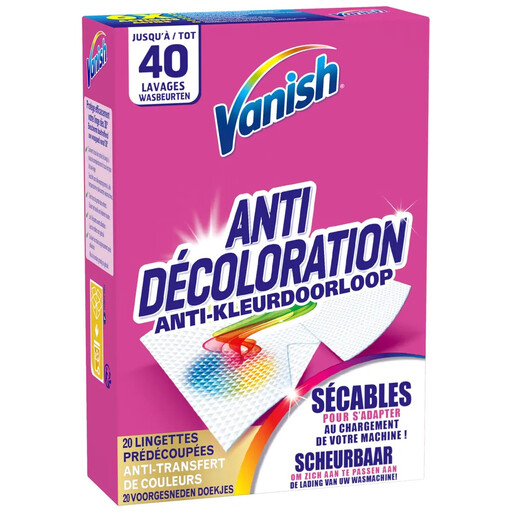
Why this choice suits this profile: With its 20 sheets, this pack offers a good entry point for discovering colour-catcher wipes. According to the information provided, one sheet can be divided for smaller loads.
Its use for laundry is clearly distinguished from that of wipes intended for cleaning surfaces, reducing the risk of confusion.
Usable from 30 °C, it helps preserve colours and can provide up to 40 uses when cut in half.
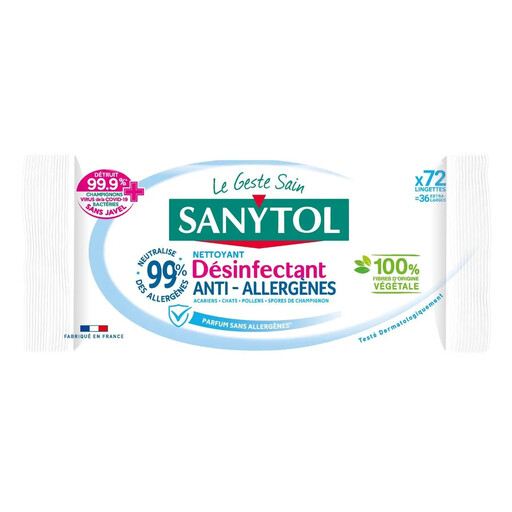
Why this choice suits this profile: This format combines surface cleaning, a disinfecting claim on the label and biodegradable fibres. A choice aimed at households that pay close attention to product ingredients and their everyday use.
The product page clearly states that this is a surface wipe, not a wipe intended for skin or personal care.
A pack of 72 wipes, a claimed action against certain household allergens and a rinsing instruction for surfaces in contact with food, toys or pets.
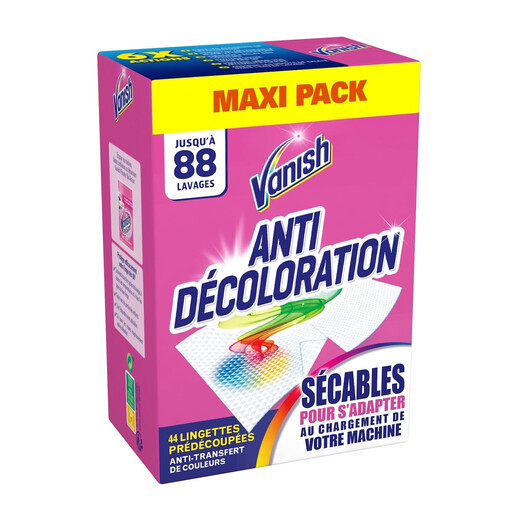
Why this choice suits this profile: Families who are constantly doing laundry will appreciate the pack of 44 sheets and its honeycomb microfibre, which is described as particularly absorbent.
Use in the drum and the instruction not to reuse the sheet are clearly stated: this is not a household wipe.
Usable from 30 °C, it traps dyes that could run and can be cut in half for a smaller load.
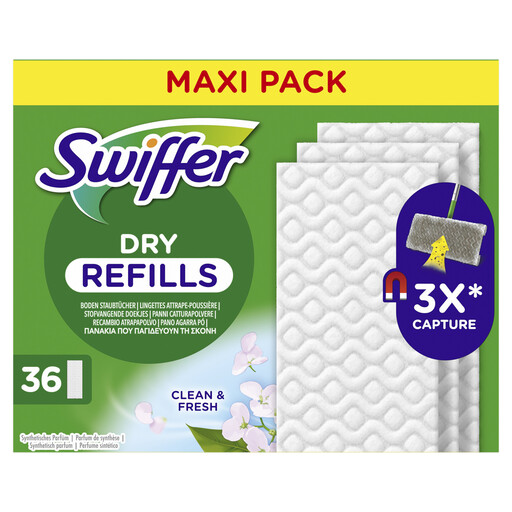
Why this choice suits this profile: These dry wipes are used with a compatible Swiffer mop to quickly remove dust, light dirt and pet hair from hard floors.
The product page states that they are dry and intended only for hard floors. So there is no risk of confusing them with a wipe used with a liquid product or on an incompatible surface.
Their electrostatic action helps trap dust and hair. The textured pattern and format are especially handy for reaching under furniture.
We have compiled a comprehensive, real-time updated list of products that meet these strict selection criteria and European safety regulations.
No. Check the compatible materials on the packaging. Delicate, varnished, waxed or untreated wood surfaces may require a specific product. For a surface that comes into contact with food, follow the rinsing instruction when one is given.
It depends entirely on the pack's closure system, the temperature and how often you open it. Seal the flap carefully after each use and store the pack away from heat. A dried-out sheet loses much of its practical value.
No, unless the manufacturer gives a very specific instruction, which remains rare. Biodegradable or compostable wipes should generally be disposed of in the appropriate bin, in line with local guidelines. To reduce waste, reserve wipes for occasional cleaning and favour a reusable cloth for everyday maintenance.