
Livraison le jour même ou le lendemain

Qualité garantie

Débloquez vos offres de bienvenue: Livraison GRATUITE | Jusqu'à -80 % | 30 jours d'essai gratuits à JoyPlus
Téléchargez l'application
A good cleaning brush can make everyday cleaning much easier, provided you choose a model suited to the surface and the type of dirt. A toilet brush does not meet the same needs as a grout brush, bottle brush or shoe brush.
With claims of versatility, widely varying materials and sometimes unclear product descriptions, choosing the right brush is not always straightforward. Here are the criteria to consider to avoid disappointing purchases and find accessories that genuinely suit your home, car or cleaning habits.
A brush described as ‘universal’ may be perfectly suitable for a few everyday tasks, but lack precision in awkward corners or prove too harsh for delicate materials. Stiff bristles designed for washing-up or soles may leave marks on a delicate surface. Conversely, a soft silicone brush may not be effective enough on deposits embedded in grout.
Before ordering, check the recommended use carefully: kitchen, bathroom, toilet, fabric, bodywork or car interior.
A head that retains water, residue or cleaning products can quickly become unpleasant to use. This is particularly relevant to toilet brushes, bathroom brushes and, more generally, any models used with water.
Choose a brush head that is easy to rinse, a ventilated holder or a hanging system. After each use, rinse the accessory, wring it out if possible, then leave it to dry in a well-ventilated area.
The ‘scratch-resistant’ label never removes the need for a preliminary test. A grain of sand trapped between the bristles can mark a surface, even when the material feels very soft. For a car brush or wheel brush, inspect the head before each use and test it on an inconspicuous area.
Likewise, when using a grout brush or kitchen brush, avoid pressing too hard on shiny, painted or varnished surfaces.
The material should be chosen according to the task:
Bristle density and length also play a part. A narrow head can get into hard-to-reach spaces, while a wider head covers a large surface more quickly.
A short handle offers greater precision when scrubbing a saucepan or sole. A long handle is more practical for reaching the bottom of a bottle, a toilet bowl or the inside of a wheel.
For hard-to-reach areas, look for an angled, flexible or double-ended head. An angled grout brush can follow a groove effectively, while an air-vent brush needs to be thin enough to pass between the slats.
An accessory that is regularly used with water should be easy to rinse and dry. For an electric model, check the type of charging, the stated battery life, the level of water resistance indicated by the manufacturer and the available safety information.
The Sunluxy devices featured here have USB charging, several modes and a one-year warranty, according to their product descriptions. They are designed for facial care and are not a substitute for a household cleaning brush.
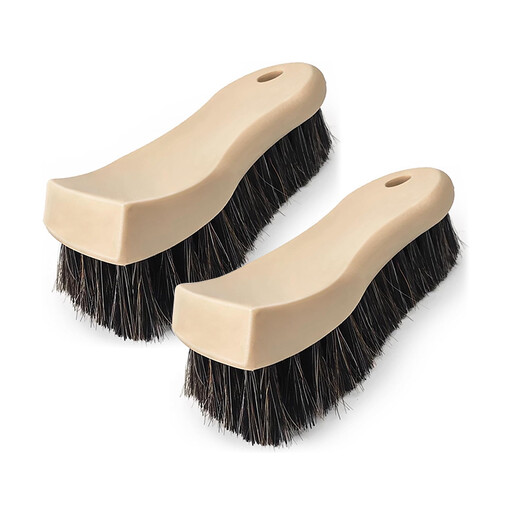
Why this choice suits this profile: this duo of hard- and soft-bristled brushes lets you get started with shoe care using two levels of brushing, without building up a collection of accessories.
The two levels of stiffness help you avoid using rigid bristles on materials that require gentler brushing.
A set of two brushes, plastic handles and a clearly defined purpose: cleaning shoes.
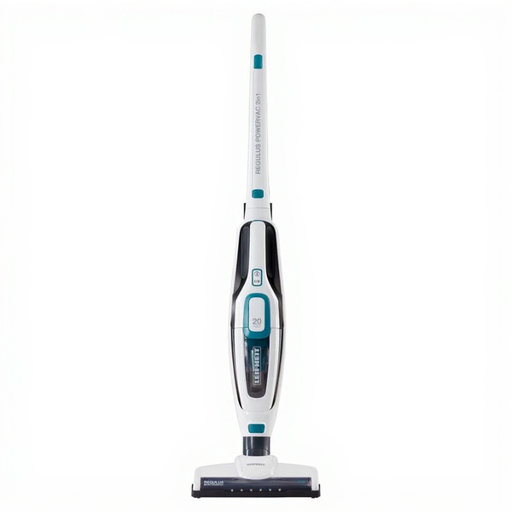
Why this choice suits this profile: its ergonomic handle and multi-surface use will appeal to households looking for a durable tool for floors, tiles and windows.
The product description specifies compatible surfaces and recommends regular strokes and dry storage.
An ergonomic handle, lightweight construction and stated suitability for several surfaces around the home.
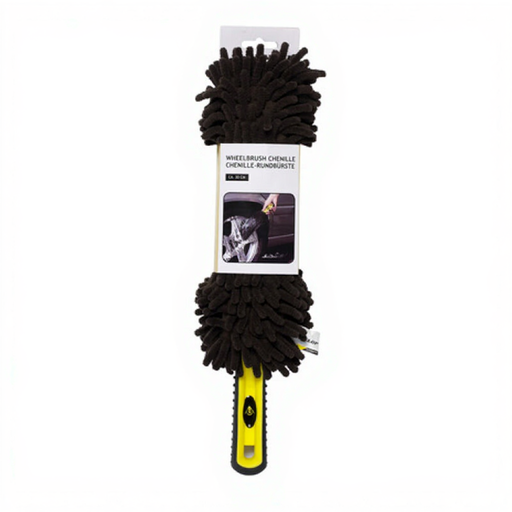
Why this choice suits this profile: its stated length of 33 cm and chenille head make it easier to clean wheels and hard-to-reach areas regularly.
The soft head avoids the need for an overly abrasive wheel brush, provided you check that there is no grit present before washing.
A microfibre chenille head, a handle with a non-slip grip area and a stated reach of 33 cm.
We have put together a comprehensive, regularly updated selection of products that meet these demanding criteria, in line with European safety regulations.
It depends on how often it is used, which cleaning product you use and the condition of the bristles. Replace the brush when its head becomes misshapen, the bristles start coming away or an odour persists despite washing. A toilet brush or sponge used every day deserves closer monitoring.
Rinse it after every use to remove residue. Leave it to air-dry with the head facing downwards or in a ventilated holder. Avoid mixing accessories intended for toilets, the kitchen and shoes to help prevent the transfer of dirt.
This is not recommended. Keep one brush for the bathroom, another for the kitchen and a toilet brush for the toilet. For delicate surfaces, always test the accessory on an inconspicuous area and follow the recommendations provided in the product description and by the manufacturer.