Anyone looking for a lower-fat dried fruit
If you’re after a fruit-based snack or ingredient, first distinguish dried fruit from nuts, then compare the fat content per 100 g. Check the gluten-free labelling separately if you need that assurance.


If limiting fat is your priority, start by comparing plain dried fruit rather than assuming all ‘dried fruit and nuts’ are the same: Carrefour lists 0 g of fat per 100 g for Carrefour Bio dried apricots, compared with 53 g per 100 g for Jardin Bio almonds. If you need to follow a strict gluten-free diet, also check for a ‘gluten-free’ claim and any precautionary allergen advice on the finished product. A lower fat content doesn’t tell you how much sugar it contains.
If you’re after a fruit-based snack or ingredient, first distinguish dried fruit from nuts, then compare the fat content per 100 g. Check the gluten-free labelling separately if you need that assurance.
For muesli, a bar or a mix containing several ingredients, the name ‘dried fruit and nuts’ isn’t enough to confirm that it meets your dietary needs. Check the gluten-free claim, ingredients and any precautionary allergen advice on the finished product.
If you’re looking for the crunch of plain almonds or cashews, you can include them in your comparison, but don’t assume they have the same fat profile as plain dried fruit. Compare products according to how you plan to use them.
First choose the type of product that suits your needs, then check the fat content and gluten-free labelling of your chosen product separately.
Worth considering: for a snack or fruit-based recipe when reducing fat is a priority.
Keep in mind: a short ingredient list doesn’t mean you can skip the gluten-free check, and you should still check the sugar content on the label.
Worth considering: if you’re mainly looking for a crunchy texture and limiting fat isn’t your top priority.
Keep in mind: Carrefour lists Jardin Bio almonds at 53 g of fat per 100 g; their nutritional profile isn’t representative of dried fruit.
Worth considering: if you’re looking for a ready-to-eat option with a gluten-free claim that meets your needs.
Keep in mind: a gluten-free claim doesn’t tell you how much fat or sugar the recipe contains.
| What matters | What to check | Who is it for? |
|---|---|---|
| Gluten-free assurance | Look for a ‘gluten-free’ claim on the finished product and read the ingredients and any precautionary allergen advice. In the European Union, the regulation published by EUR-Lex sets the maximum gluten content for a product carrying this claim at 20 mg/kg. | When I need to follow a strict gluten-free diet, I can’t rely on the main ingredient alone. Around 36% of consumers put this verifiable assurance first. |
| Fat | Distinguish dried fruit from nuts, then compare the ‘fat’ per 100 g for products intended for the same use. | When choosing a fruit-based snack, I want to know how much fat it contains rather than relying on the term ‘dried fruit and nuts’. This is the main criterion for around 29% of consumers. |
| Recipe and sugars | Read the ingredients list and the ‘of which sugars’ line per 100 g, especially for muesli and mixed products. | If I regularly use the product as a snack or in a recipe, added ingredients and sugars factor into my choice. Around 21% of consumers prioritise this. |
| Pack size and local availability | Check the pack size and availability at your chosen shop or collection point. Don’t swap it for another product without checking its label. | When planning my shop, I look for a convenient pack that I can actually collect or have delivered. Around 14% of consumers prioritise this option. |
Carrefour’s product pages list 0 g of fat per 100 g for Carrefour Bio dried apricots and 53 g per 100 g for Jardin Bio almonds. So you can’t compare them based on their supermarket aisle or category name alone.
Separate dried fruit from nuts, then read the nutritional values for products suited to your needs.
The gluten-free dried fruit muesli featured by Auchan contains 13 g of fat and 25 g of sugars per 100 g. Its recipe includes ingredients such as cane sugar, rice syrup and sunflower oil.
Once you’ve checked the gluten-free claim, compare the fat, sugar and ingredients separately.
A Monoprix product page for blanched almonds warns that the product may contain traces of cereals containing gluten, even though almonds are listed as the ingredient.
If you need to follow a strict gluten-free diet, look for the appropriate claim on the finished product and read the precautionary allergen advice on the pack you buy.
Its product pages let you compare some dried fruit and nut products by looking at their ingredients and nutritional values.
A dried fruit muesli product gives you the chance to look at a product marketed as gluten-free, rather than plain dried fruit.
E.Leclerc Drive’s range includes Notre Jardin and Bio Village by Marque Repère among its dried fruit and nut brands.
The Alesto range presentation distinguishes dried fruit, plain nuts and savoury snacks.
Its sultana product may appeal if you’re looking for dried fruit rather than nuts.
A product page for blanched almonds shows why precautionary allergen advice matters when following a strict gluten-free diet.
These two fruit-based snacks let you explore convenient, ready-to-eat options. Before choosing them for a strict gluten-free shop, check the gluten-free claim and any precautionary allergen advice on each pack. Their descriptions also don’t mean you can automatically treat them as plain dried fruit.
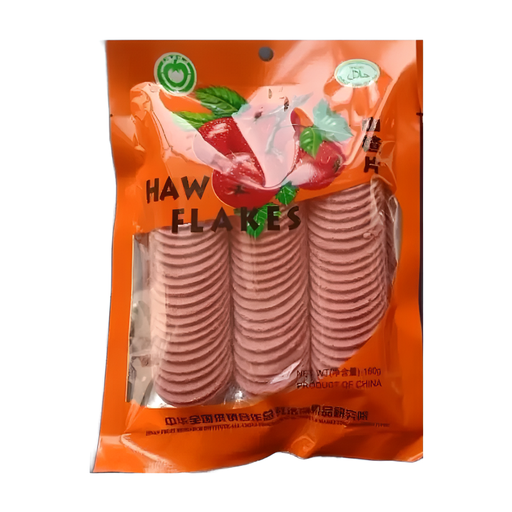 Image unavailable
For a ready-to-eat fruit snack, compare the fat content on the packaging with that of other products you’re considering. The ingredients include sugar, so check the ‘of which sugars’ line too if this matters to you. Before choosing it as dried fruit, check the gluten-free claim, any precautionary allergen advice and what type of product it is.
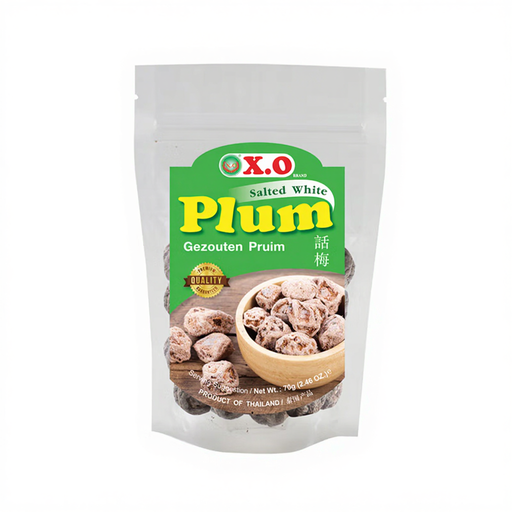 Image unavailable
If you’re considering a plum-based snack, bear in mind that it’s salty rather than comparing it only with plain dried fruit. The ingredients list sulphites, so read the label if you need to avoid this allergen. Also check the gluten-free claim, any precautionary allergen advice and what type of product it is on the pack.
No. The name of the fruit alone doesn’t tell you about the packaged product. For example, a Monoprix product page for almonds warns that they may contain traces of cereals containing gluten. If you need to follow a strict diet, check the gluten-free claim and any warnings on the finished product. In the European Union, the regulation published by EUR-Lex reserves this claim for products containing no more than 20 mg/kg of gluten.
Compare the ‘fat’ per 100 g for the products you’re considering. Carrefour lists 0 g per 100 g on its product page for Carrefour Bio soft dried apricots and 53 g per 100 g for Jardin Bio whole almonds. These values apply to those specific products, not to every apricot or almond product.
No. The gluten-free dried fruit muesli featured by Auchan contains 13 g of fat per 100 g and includes ingredients such as sunflower oil and nuts. Check the fat, sugar and ingredients in the recipe you’re planning to buy.
First, follow the instructions on the pack you buy. For its dried fruit muesli, Auchan recommends resealing the bag securely and storing it in a cool, dry place away from heat and moisture.