Who is this choice for?

People cutting down significantly on fat

If this is your main priority, the fat content of almonds matters more than any ‘free-from’ labels. Carrefour Original plain almonds contain 54 g of fat per 100 g, so it’s worth comparing them with another type of snack.

People looking to avoid a specific ingredient

If you can eat almonds but avoid gluten, lactose, soya or certain additives, check the label and ingredients list for the exact product. These exclusions don’t guarantee a low fat content.

People who prefer plain almonds with no added salt

A short ingredients list or no added salt may guide your choice of a snack or cooking ingredient. These are separate considerations from fat content.

What should you check before buying?

Start with the factor that really determines your purchase: fat content, avoiding a particular ingredient or keeping the ingredients list simple.

Criteria What to check Who it matters to
Cutting down on fat Fat per 100 g and the amount you plan to eat. I’m looking for a snack that fits with significantly cutting down on fat, not just a product with a ‘free-from’ label; around 50% of consumers put this need first.
Specific exclusions The ‘free-from’ claim you’re looking for, ingredients and allergen warnings. If I can eat almonds but need to avoid gluten, lactose, soya or certain additives, the ingredients of the exact product determine my choice; around 30% of consumers prioritise these exclusions.
Plain almonds and salt Ingredients list and any ‘no added salt’ claim. For a snack or cooking, I prefer plain almonds with no added ingredients, while knowing they’re not low in fat; around 20% of consumers prioritise this simplicity.

Which common misconceptions should you avoid?

  • Assuming a ‘free-from’ claim means a low fat content

    ‘Gluten-free’ or ‘lactose-free’ refers to a specific exclusion, not the amount of fat. Carrefour Original plain almonds contain 54 g of fat per 100 g.

    Check the ‘fat’ line per 100 g, then look for the ‘free-from’ claim that matches your needs.

  • Confusing ‘no added salt’ with ‘low in fat’

    Salt and fat are two different considerations. A product with no added salt won’t, on its own, meet the needs of someone looking for a low-fat snack.

    Check the fat content separately in the nutritional information for the product you choose.

  • Forgetting that almonds are an allergen

    A product containing almonds isn’t suitable for someone with an allergy to this ingredient. An almond bar may also list other allergens or say that it may contain traces of them.

    Avoid products containing the allergen you need to steer clear of, and check the ingredients and warnings on the packaging you buy.

  • Mistaking bitter apricot kernels for edible almonds

    According to Anses, bitter apricot kernels contain amygdalin, which can release cyanide during digestion.

    Don’t use them as a substitute for almonds intended for everyday consumption.

Retailers and brands to consider

Carrefour

Plain almonds and processed almond products offer different ingredient lists to compare.

  • The product listing for Carrefour Original Plain Spanish Almonds states that they contain 54 g of fat per 100 g.
  • Check ‘free-from’ claims and allergens for each product individually.

Auchan

The almond range includes plain and roasted options.

  • Some products are labelled as having no added salt; a roasted almond duo is described as having no added salt or oil.
  • Check the nutritional information for the product you choose: these claims don’t tell you its fat content.

E.Leclerc

Bio Village organic ground almonds show the difference between a short ingredients list and a low fat content.

  • The product listing shows a single ingredient: ground almonds.
  • The same listing states that they contain 56,0 g of fat per 100 g.

Monoprix

The product listing for Damiano organic blanched almonds, sold by Naturalia, is an example of a single-ingredient product.

  • The listed ingredients are 100% organic almonds.
  • The listing also states that they contain 52,2 g of fat per 100 g: a simple recipe doesn’t mean a low fat content.

Aldi

A Trader Joe's® product is titled ‘Unsalted shelled almonds 200 g’.

  • The no-salt claim meets the needs of anyone specifically looking for this.
  • To check the fat content, refer to the nutritional information on the packaging.

Another snack category on Joybuy

This konjac snack is another category to consider if fat content is guiding your choice. Compare the information on its packaging with that of the products you’re considering.
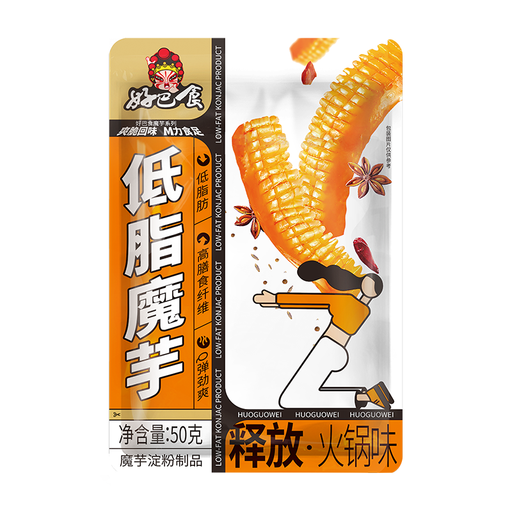
HAO BA SHI konjac snack, Hot Pot flavour, 50 g pack

HAO BA SHI Konjac Snack, Hot Pot flavour, 50 g

Another type of snack to consider if you want to compare its fat content with that of almonds. Contains soya, so avoid this product if you need to steer clear of this ingredient. Also check the fat and salt content, as well as any warnings about traces, on the packaging.

View on Joybuy

Frequently asked questions

Are plain almonds suitable if I’m cutting down significantly on fat?

They’re generally not the snack to choose if cutting down on fat is your main priority: Carrefour’s product listing for its Original Plain Spanish Almonds states that they contain 54 g per 100 g. Compare this figure and the amount you plan to eat with the other products you’re considering.

Does ‘gluten-free’ or ‘lactose-free’ mean ‘low in fat’?

No. These claims refer to gluten or lactose, not fat content. Check the nutritional declaration and ingredients list for the exact product separately.

Can an almond snack be suitable if I need to avoid almonds?

No. If you’re allergic to almonds, avoid any product containing them. For other allergens, the DGCCRF reminds consumers that allergens present in the ingredients must be highlighted on the label; also check the packaging for any warnings about traces.

What should I check on a snack with a ‘free-from’ claim?

Make sure the claim relates to the ingredient you want to avoid, then read the ingredients list and allergen warnings. If you’re also looking to cut down on fat, check the amount per 100 g and the portion you plan to eat.

Are bitter apricot kernels an alternative to almonds?

No. Don’t use them as a substitute for edible almonds. Anses states that they contain amygdalin, which can release cyanide during digestion.