People who put fat content first
You want to compare values per 100 g without confusing prunes or raisins with nuts and coconut, which have different nutritional profiles.


If keeping fat to a minimum is your priority, start by comparing dried fruit such as prunes, apricots and raisins, rather than treating all ‘dried fruit’ as one category. The products listed by Monoprix, Auchan and Carrefour contain between 0.4 and 0.8 g of fat per 100 g. These figures apply to those specific products and aren’t a guarantee for the whole category. Check the sugars, ingredients and allergens too: a low fat content alone isn’t enough to help you choose.
You want to compare values per 100 g without confusing prunes or raisins with nuts and coconut, which have different nutritional profiles.
You’re looking for dried fruit that’s low in fat, while also checking the ‘of which sugars’ line, the ingredients list and how much you plan to eat.
You need to check for sulphites or other allergens, including ‘may contain’ warnings. Fat content won’t answer that question.
When choosing dried fruit, first distinguish dried fruit from nuts and coconut. Then compare the nutritional information for the specific product, using the same per-100 g basis.
| What matters | What to check | Who is it for? |
|---|---|---|
| Fat | The product category, then the fat content per 100 g, especially if it’s a mix. | If my main aim is to limit fat, I don’t want to treat raisins as the same as nuts or coconut. Around 50% of shoppers put this first. |
| Sugars and portion size | The ‘of which sugars’ line per 100 g and whether sugar or syrup appears in the ingredients. | Dried fruit can be low in fat but still high in sugars. If I’m keeping an eye on sugar too, how much I eat matters when choosing. This is the main concern for around 30% of shoppers. |
| Ingredients and allergens | The ingredients list, declared allergens and any ‘may contain’ warnings on the pack you buy. | If I need to avoid sulphites or another allergen, I check whether the specific product is suitable for me first, even if it’s low in fat. This comes first for around 20% of shoppers. |
The values for dried fruit don’t describe those of nuts or coconut. For specific examples, Monoprix lists 0.4 g of fat per 100 g for its giant Agen prunes, pitted, while a Carrefour product listing gives 36 g per 100 g for Del Monte coconut pieces.
Identify the exact product, especially in a mix, then compare its ‘fat’ value per 100 g.
Manger Bouger points out that dried fruit naturally contains a lot of sugars. The Auchan soft apricots featured in the search contain 0.8 g of fat but 41 g of sugars per 100 g.
Check both lines on the nutrition table and consider how much you’ll eat, rather than choosing on fat content alone.
The ingredients in Auchan soft apricots include sulphur dioxide. The Monoprix prunes and Carrefour raisins listings also warn that the products may contain traces of sulphites; the Carrefour listing also mentions possible traces of nuts.
If avoiding a particular ingredient is essential to your purchase, check the ingredients and allergen information on the pack you buy.
Availability can vary by shop or collection method. And just because a product is available locally doesn’t mean its nutritional values apply to a substitute.
Check which product is actually available, then read the label again if you switch brand or pack size.
A Carrefour Original raisins product gives you the chance to compare ingredients and fat content.
Auchan soft apricots are an example of dried apricots whose fat and sugar content can be considered together.
Monoprix giant Agen prunes, pitted, come with nutritional information that’s useful for comparison.
The Couleurs Vives golden raisins listed by E.Leclerc offer another example of raisins to compare using the product label.
Lidl may include IGP Agen prunes in its local offers.
This selection includes raisins, prunes and pitted red dates. To compare these dried fruits according to what matters most to you, check the nutritional information and ingredients for each product. Don’t assume its fat content based on the category alone.
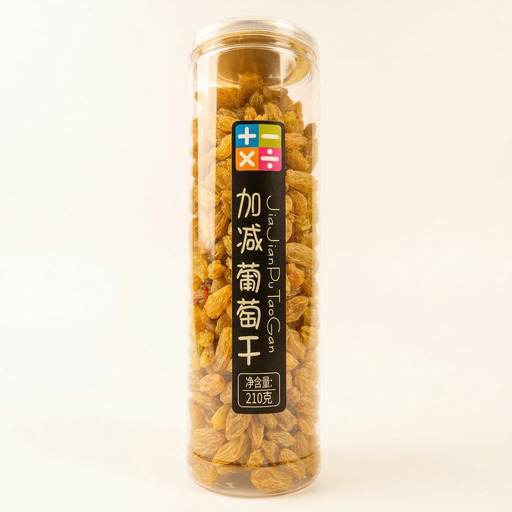 Image unavailable
These raisins may be worth considering if you’re looking for this type of dried fruit in a 210 g pack. Before choosing them, compare the fat and sugars per 100 g on the packaging.
 Image unavailable
This pack of pitted red dates is worth considering if you’re looking for this specific dried fruit. Check its sugars and fat per 100 g, as well as the ingredients, before comparing it with raisins or prunes.
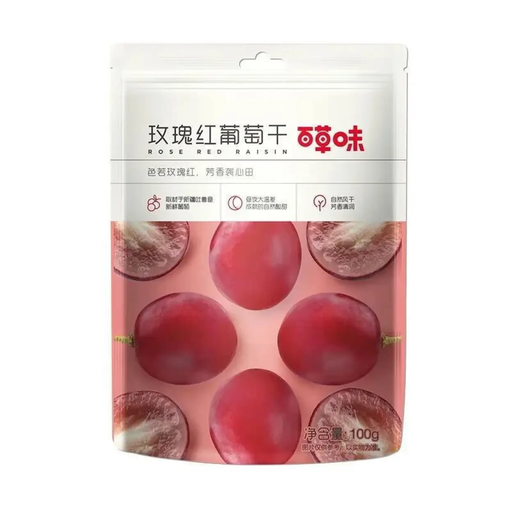 Image unavailable
The 100 g pack may appeal if you’re comparing packs of raisins. To assess its nutritional profile, check the per-100 g values and ingredients for this product rather than relying on the pack size.
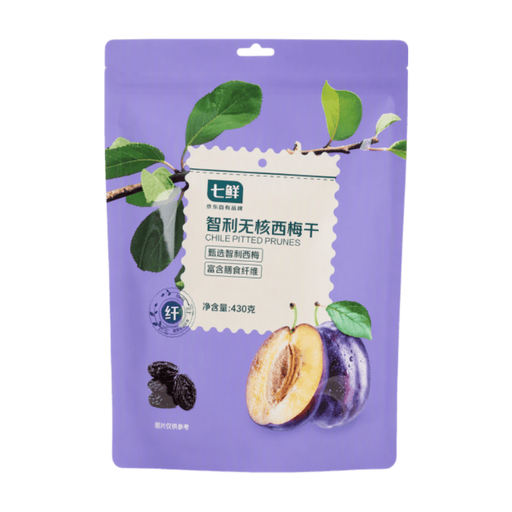 Image unavailable
These pitted prunes are worth considering if this is the type of dried fruit you prefer. To compare them with other prunes or raisins, check the fat, sugars and ingredients listed for this product.
 Image unavailable
This 500 g pack is for anyone looking for pitted red dates. If allergens are a factor in your purchase, check the information on the packaging. Also compare the fat and sugars per 100 g.
Start with unblended dried fruit, then compare the values per 100 g. Monoprix lists 0.4 g of fat per 100 g for its giant Agen prunes, pitted; Auchan and Carrefour each list 0.8 g for the soft apricots and raisins featured here. These figures don’t replace checking the sugars and ingredients of the product you’re buying.
No. Compare the fat content per 100 g for the exact product, then check its sugars, ingredients and allergens. A claim on the front of the pack doesn’t, on its own, tell you about all these factors.
Read the ingredients list and any highlighted allergens on the label, as well as ‘may contain’ warnings. The Directorate-General for Competition Policy, Consumer Affairs and Fraud Control reminds shoppers that allergenic ingredients must be highlighted. Of the products mentioned here, Auchan soft apricots contain sulphur dioxide, while Monoprix prunes warn of traces of sulphites.
Follow the instructions on the pack you buy. For the soft apricots featured here, Auchan recommends storing them in a cool, dry place after opening. Reseal the pack to limit exposure to moisture.
Not if fat content is your only consideration: Manger Bouger describes walnuts, hazelnuts and almonds as high-fat foods. If fat content is your main concern, compare their labels with those of dried fruit per 100 g rather than treating the two categories as interchangeable.