
Livraison le jour même ou le lendemain

Qualité garantie

Débloquez vos offres de bienvenue: Livraison GRATUITE | Jusqu'à -80 % | 30 jours d'essai gratuits à JoyPlus
Téléchargez l'application
Dried fruit has become the convenient and delicious alternative to traditional snacks. Whether for an energy boost at the office, a treat for the kids, or an ingredient in your recipes, they seem to have it all. However, the healthy snacks aisle can quickly become a minefield. Between marketing promises and endless ingredient lists, it's easy to make the wrong choice.
To avoid falling into the trap, here are the pitfalls to watch out for before you fill your cart.
To make the right choice, you can't rely on packaging alone. Taking a few seconds to read the label makes all the difference.
The golden rule: the shorter the ingredient list, the better. Ideally, it should only mention the fruit and nothing else. Be wary of unnecessary additions:
Not all dried fruits are created equal. The drying technique directly impacts the texture and nutrient preservation. Sun-drying is traditional, while tunnel dehydration or freeze-drying (cold drying) are more modern techniques.
The fruit's origin also matters. A dried prune from California will never taste the same as one from Agen. Likewise, goji berries from the Ningxia region of China are particularly renowned. Taking an interest in the origin is also a way to treat yourself to a journey of flavors.
Think about how you'll use them. For on-the-go snacking, individual packets are perfect: they help with portion control and guarantee optimal freshness. For cooking or for the whole family's snacks, a resealable package (with a zip closure) is essential to preserve the quality of the fruit over time.
To guide you, we've selected a few products that meet specific needs, applying the criteria we've just discussed.
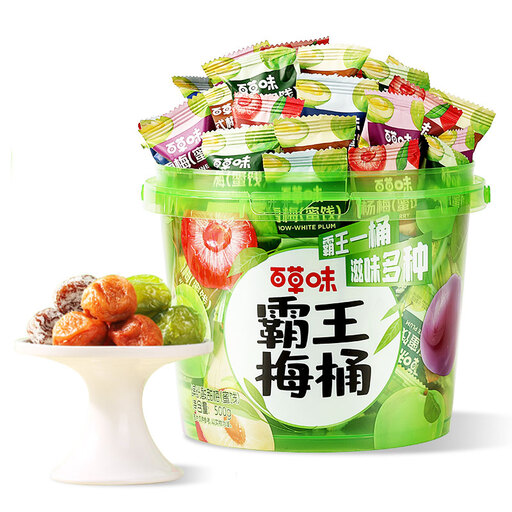
Why it's a great match: Perfect for the curious who love variety and out-of-the-ordinary flavors. This bucket contains an assortment of five varieties of preserved plums, with a taste profile ranging from sweet to tangy. It's an excellent gateway to Asian snacks and an ideal format for sharing.
The individual portion packaging solves the preservation problem. Each packet stays fresh, preventing waste and loss of texture—a common pitfall of bulk formats.
The 5 varieties (snow plum, Suzhou plum, etc.) offer a true tasting experience. The 500g bucket format is great for sharing and invites discovery.
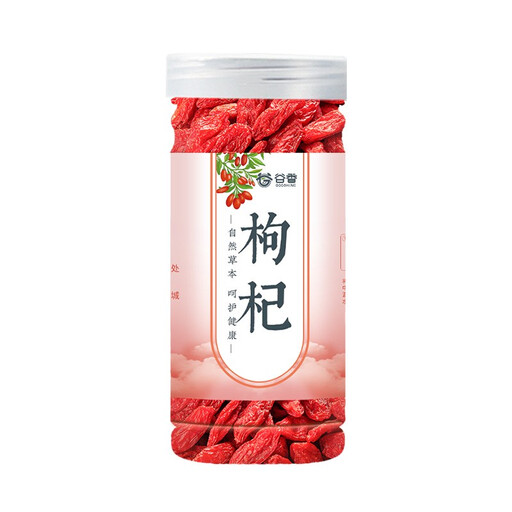
Why it's a great match: The perfect ally for athletes and anyone looking for a 100% natural energy boost. Goji berries are renowned for their nutritional richness. Snack on them as they are, or add them to tea, porridge, or even soup.
The ingredient list couldn't be shorter: just goji berries, and that's it. This avoids the trap of hidden sugars and additives, offering a pure, simply sun-dried product.
Plump berries with a vibrant red color, a true sign of quality. The resealable bag ensures optimal preservation.
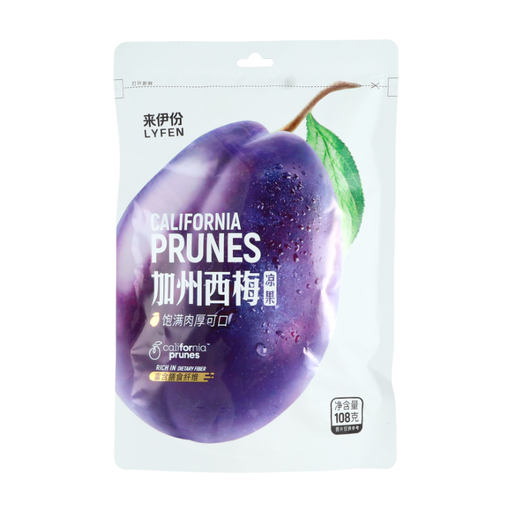
Why it's a great match: Designed for families looking for practical, everyday solutions. These dried prunes are pitted and individually wrapped. They're ultra-convenient to slip into a child's lunch box or hand out for a snack.
The individual format eliminates any risk of the product spoiling once the main package is opened. The fact that they are pitted is a real plus: it's safer and much easier for children.
California prunes selected for their thick flesh and soft texture. The individual packaging is a game-changer for managing daily snacks.
We have curated a complete range of products that meet our selection criteria and regulatory standards.
To keep them fresh and soft, it's best to transfer them to an airtight container, like a glass jar. Then, store it in a cool, dry place away from light. For even longer preservation, you can even put them in the refrigerator.
Not necessarily. It all depends on how you use them. For an occasional treat or for baking, a product with added sugar is perfectly fine. However, if you're looking for a healthy snack to eat regularly, it's better to opt for versions with no added sugar or a low sugar content. The key is to always read the label to make an informed choice.
The two terms are often used interchangeably, but there is a nuance. Drying is a general preservation method that involves removing water from a food. Dehydration more specifically refers to a controlled industrial process that uses hot air. Freeze-drying, on the other hand, is a cold-drying technique that remarkably preserves the fruit's shape and nutrients. In any case, the result is a dried fruit, but the texture and nutritional qualities can vary.