
Livraison le jour même ou le lendemain

Qualité garantie

Débloquez vos offres de bienvenue: Livraison GRATUITE | Jusqu'à -80 % | 30 jours d'essai gratuits à JoyPlus
Téléchargez l'application
A good food storage container can be a life-changer: less waste, better-organised meals, and a healthier kitchen day-to-day. Yet, the market is saturated with promises that are rarely kept. Between a lid that warps after the first wash and plastic that stains from the first drop of tomato sauce, it's all too easy to make a purchase you'll regret. As a Product Manager at Joybuy, my mission is to help you cut through the noise and identify the criteria that truly matter.
Before comparing models, let's review the most common traps that turn a good deal into a disappointment after just a few weeks.
To make the right choice, focus on these three criteria that define the performance and durability of a food storage container.
The choice of material depends primarily on your intended use.
Airtightness is a good container's number one job. The most reliable system combines two elements:
Always check the pictograms or the manufacturer's instructions. A truly versatile container should be compatible with:
Rather than an exhaustive list, here is our selection of models that meet specific needs, in line with the quality and practicality criteria we've just discussed.
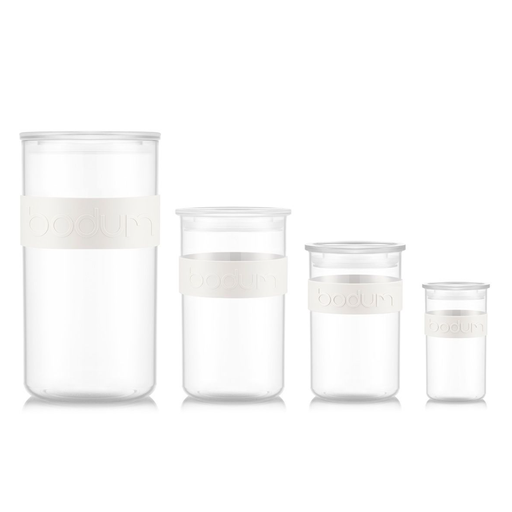
Why we chose it: This set is the perfect solution for meal prep enthusiasts or anyone looking for a complete kitchen storage system. Its four different sizes allow you to store everything: sauces, leftovers, full meals, or dry ingredients.
It avoids the "one-size-fits-all" trap by offering true modularity with 12 containers in 4 sizes (0.25 L, 0.6 L, 1 L, 2 L), covering the majority of daily needs.
Made from BPA-free plastic, this set is lightweight and perfectly stackable, optimising space in cupboards and the fridge. The airtight seal guarantees food freshness.
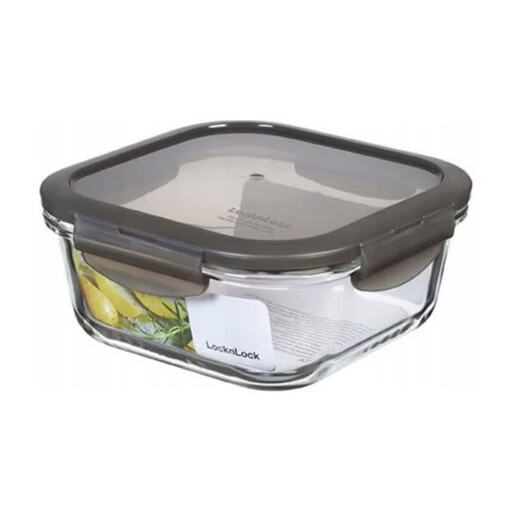
Why we chose it: Perfect for those who prioritise versatility and a healthy material. This glass container lets you bake a casserole, store it, and then reheat it—all in the same dish.
It ends the false "glass vs. plastic" debate by using borosilicate glass, designed to be oven-safe (up to 400 °C without the lid) and resistant to thermal shock, unlike ordinary glass.
Its 4-clip locking system with a silicone seal ensures a foolproof seal, making it an excellent airtight container for saucy dishes or soups.

Why we chose it: Perfect for packing lunch, storing a single portion of leftovers, or keeping small ingredients. It's a true classic that relies on a proven material rather than gimmicks.
This pure, non-porous glass container will never stain or retain odours, unlike many plastic containers. It's a durable investment for healthy, everyday use.
Its outstanding versatility: it's compatible with the fridge, freezer, microwave, and oven. Its simple, stackable design makes storage easy.
While the containers featured here are excellent for general use, some fragile foods like strawberries or berries deserve specific containers designed to optimise air circulation and preserve their freshness. If you're looking to extend the life of your most delicate fruits, taking a look at these dedicated solutions is an excellent idea.
We've compiled a comprehensive list of products that meet our strict selection criteria and current safety standards.
Can a glass container really go from the freezer to the oven? No, never directly! This is a classic mistake that causes thermal shock and shatters the glass. To move a glass container from the freezer to the oven, you must first let it return to room temperature. Also, make sure it is specifically borosilicate glass, the only type that can withstand oven heat (and always without its plastic lid).
How do I remove tomato sauce stains from a plastic container? Stains on a BPA-free plastic container can be stubborn. An effective trick: fill it with a mixture of hot water and baking soda (or white vinegar). Let it sit for several hours before washing. Another technique: exposing the empty, clean container to direct sunlight can help fade the pigments.
What is the lifespan of an airtight container? It varies enormously depending on the material and care. A well-maintained glass container without any chips can last for decades. For plastic models, the weak point is often the silicone seal or the lid's clips. Washing by hand or on a gentle cycle in the dishwasher will extend their lifespan. A quality product will easily serve you for several years.