
Same-day & Next-day Delivery

Quality Guaranteed

Unlock Your Welcome Offers: FREE Delivery | Up to 80% OFF | Free 30-day JoyPlus trial
Download the APP
Switching to glass food containers has become a clear choice for many of us. More durable, healthier for food contact, and more elegant in the kitchen, they seem to tick all the boxes. However, a great idea can quickly turn into a headache. A lid that warps after two dishwasher cycles, a crack that appears from thermal shock between the fridge and the microwave, or a supposedly "?airtight?" container that leaks all over your bag... Do these mishaps sound familiar??
Before you replace your entire plasticware collection, let's break down the 3 classic traps that can turn a good investment into a daily frustration:
This guide is here to arm you against unpleasant surprises and help you choose the container that will truly simplify your life.
To make the right choice, focus on a few technical details that make all the difference. This is what separates a disappointing gadget from a reliable and durable kitchen ally.
This is the starting point—the criterion that determines everything else. There are two main types:
A great container is nothing without a great lid. An effective locking system must guarantee a leak-proof seal. Check these three points:
Finally, the shape and capacity should match your habits.
meal prep and lunches on the go: Rectangular or square shapes are the most practical. They stack neatly in the refrigerator and optimise space in a bag. A capacity between 500?ml and 1?L is generally perfect for a single serving.Here are a few models that meet specific needs, selected based on the objective criteria we've just covered.

The Ideal Profile: Perfect for those who prep their lunches for the week. Its 630 ml capacity is ideal for a single portion, and its rectangular shape slides easily into a bag or fridge.
The container is made of borosilicate glass, allowing it to go in the microwave and dishwasher without issue. The four-clip locking system with a silicone gasket is known for its reliability, avoiding the trap of leaks.
Versatility (freezer, microwave, dishwasher). Reliable airtight seal for transport.
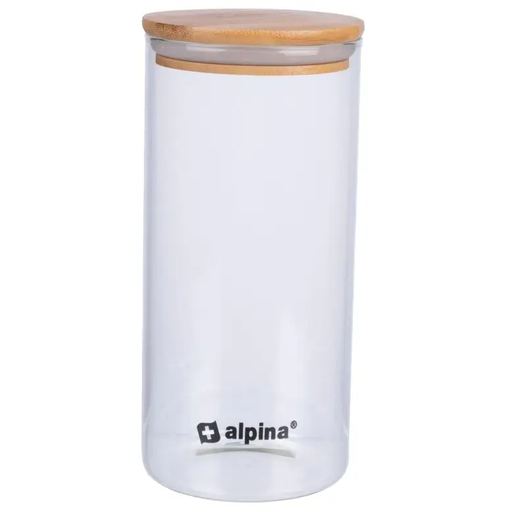
The Ideal Profile: Perfect for those looking for an aesthetic and effective solution to store dry goods (pasta, rice, legumes) while keeping the kitchen tidy. The bamboo lid adds a much-appreciated natural touch.
This jar has a clearly defined purpose: dry storage. It is not designed for baking or microwaving, which prevents any confusion and the risk of damaging the wooden lid with heat or moisture.
Large 1.25 L capacity. Bamboo lid with a silicone gasket for proper storage of dry foods.
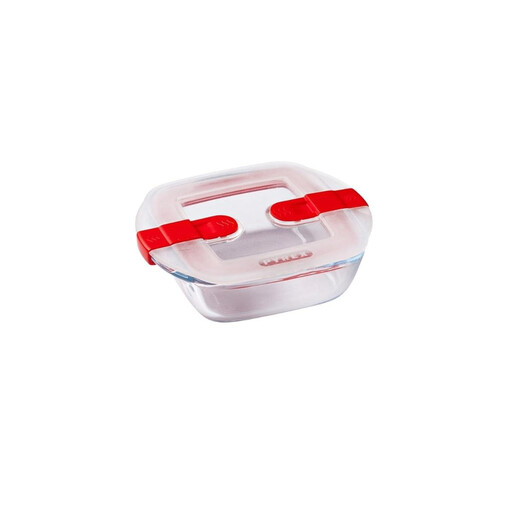
The Ideal Profile: For those who love to cook, store, and reheat in the same dish. Its small size is perfect for sauces, side dishes, or individual portions. The PYREX brand is an undisputed benchmark in culinary glass.
The dish is made of PYREX borosilicate glass, designed for oven use (without the lid). The lid itself features two steam vents, a clever design that avoids the pitfall of a lid that warps or pops off in the microwave.
Oven-safe dish. Lid with vents for safe microwave reheating.
Explore our full selection of products that meet these criteria for quality and safety.
Absolutely not! Even with borosilicate glass, the thermal shock is too extreme and risks weakening or shattering the glass. The best practice: let the dish return to room temperature for a few minutes before putting it in the oven. And of course, always remove the plastic lid before placing it in the oven.
For perfect hygiene and a lasting seal, make it a habit to remove the silicone gasket from the lid after each use. Wash it by hand with warm, soapy water, then let it air dry completely before putting it back in place.
Yes, because glass is an inert and non-porous material. This means it doesn't absorb odours, colours, or flavours from food. It also won't leach chemicals into your food, a crucial advantage when reheating. That's why it's praised as the gold standard for a reusable food container, especially for hot or acidic dishes.