
Livraison le jour même ou le lendemain

Qualité garantie

Débloquez vos offres de bienvenue: Livraison GRATUITE | Jusqu'à -80 % | 30 jours d'essai gratuits à JoyPlus
Téléchargez l'application
By Joybuy, your shopping guide.Published: August 26, 2026
Investing in a food dehydrator is an excellent move for anyone looking to eat healthier, reduce waste, or prepare their own snacks. Whether you want to turn orchard fruits into delicious snacks, preserve vegetables from your garden, or even whip up homemade treats for your pets, this appliance opens up a world of possibilities.
However, the market is flooded with options, and performance varies wildly. Before you decide, it's crucial to know the pitfalls to avoid turning a smart investment into a bulky, disappointing gadget.
To ensure successful food preservation and an appliance that lasts, focus on these non-negotiable technical features.
This is the heart of the machine and the number one criterion. There are two types of airflow:
A good electric food dehydrator should put you in control. Every food has its ideal drying temperature:
An adjustable thermostat, ideally in 5°C increments, is therefore essential. Paired with a timer featuring auto shut-off, it lets you run a cycle with peace of mind, even overnight, without risking over-drying or unnecessary power consumption.
Capacity obviously depends on your needs. For occasional use, 5 to 6 trays are sufficient. If you have a large garden, aim for 8 trays or more.
Regarding materials, two main options stand out:
We've scoured the market to bring you models that tick all the boxes, designed for different uses and budgets.
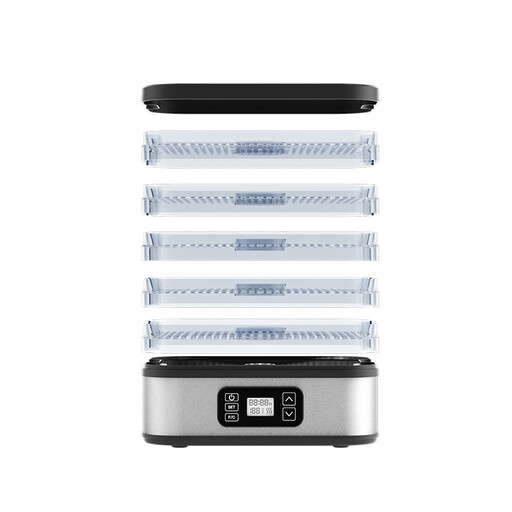
Why we chose it: Perfect for getting started with dehydration without compromising on essential features. It provides the control needed to successfully make your first batches of fruits, vegetables, meats, or herbs.
With its adjustable thermostat and timer, it prevents over-drying and wasted energy. Its design ensures much more effective air circulation than basic models with no controls.
The timer and adjustable temperature duo offers impressive versatility to adapt to any food. Its 5-tray capacity is perfect for family-sized batches.
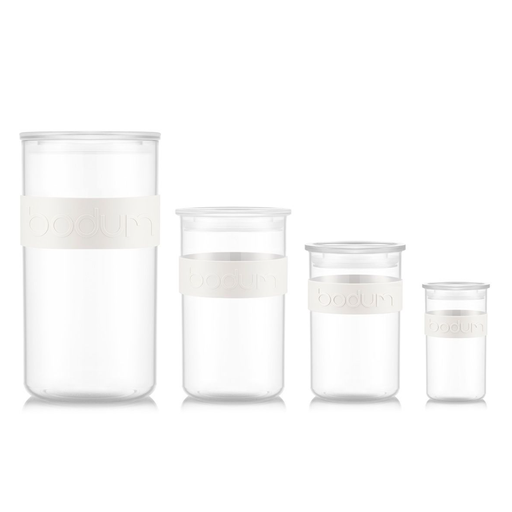
Why we chose it: Because dehydration is only the first step! For optimal food preservation, proper storage is essential. Perfect for those who love a kitchen where everything has its place.
It solves the classic post-dehydration problem: watching your perfectly dried foods reabsorb moisture and lose their crunch because of a non-airtight container. This way, none of your effort goes to waste.
Their airtight seal preserves texture and crispness. The stackable design and various sizes optimise cupboard space, while keeping the contents visible.
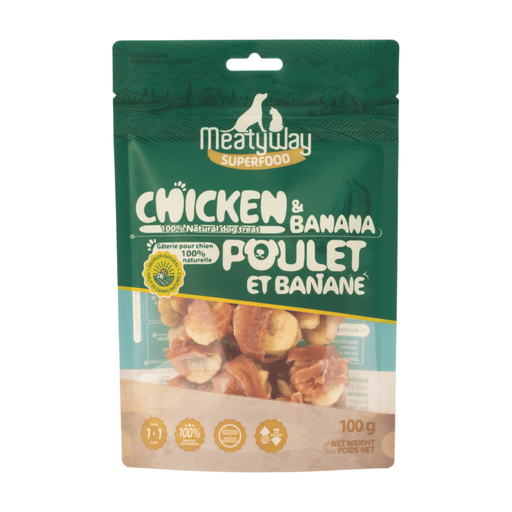
Why we chose it: This product is a great example of what's possible. For those who want to whip up homemade treats for their pets, a dehydrator lets you replicate this type of healthy recipe with 100% control over the ingredients.
By making your own treats, you bypass the pitfall of commercial products, which are often packed with additives, hidden sugars, or fillers. You know exactly what your pet is eating.
Total control over the ingredients is the key advantage. You can create chicken or beef strips, sweet potato chips, or apple slices, perfectly tailored to your companion's tastes and potential allergies.
Whether for your own snacks or for your pet's treats, we've compiled a complete list of products that meet our quality criteria and current safety standards.
Less than a conventional oven. A 500-watt model running for 10 hours will consume 5 kWh. At current standard electricity rates, this represents a very reasonable cost per cycle, often less than the price of the store-bought snacks you're replacing.
The time varies greatly depending on the food, its thickness, and the ambient humidity. As a general guide:
Texture is the best indicator. Fruits should be pliable and slightly leathery, with no moist or sticky spots. Vegetables should be brittle. Dried meat (or jerky) should be tough and crack but not snap cleanly when you bend it. It's better to over-dry than under-dry to ensure perfect preservation.