
Livraison le jour même ou le lendemain

Qualité garantie

Débloquez vos offres de bienvenue: Livraison GRATUITE | Jusqu'à -80 % | 30 jours d'essai gratuits à JoyPlus
Téléchargez l'application
Dreaming of homemade dried fruit, preserving your garden vegetables, or making healthy snacks for the whole family?? An electric food dehydrator is a valuable ally for reducing waste and controlling the quality of what you eat. The problem is, the market is flooded with models that make tempting promises but can quickly lead to disappointment.
To prevent your smart investment from turning into a bulky, unused gadget, it's best to know the most common pitfalls. Here are the mistakes to avoid.
To ensure you don't regret your choice, focus on a few technical features that make all the difference. They are the true hallmark of your future dehydrator's performance and versatility.
A dehydrator with a thermostat and timer isn't a luxury; it's a necessity. The ability to set the temperature precisely (usually between 35?°C and 70?°C) is what will allow you to succeed with everything?:
The timer is its perfect complement. It automatically shuts off the appliance at the end of the cycle, giving you complete peace of mind and preventing over-drying or unnecessary electricity consumption.
The drying surface determines how much food you can process in a single batch. A 5-tray food dryer is an excellent compromise for a family, offering sufficient capacity without being too bulky.
Beyond the number, check the material. BPA-free (bisphenol A) plastic trays are an essential safety guarantee for food contact. Also, make sure they are easy to remove and, if possible, dishwasher-safe.
There are two main ventilation systems?:
Rather than aiming for a one-size-fits-all model, it's better to find the one that truly matches your use case.
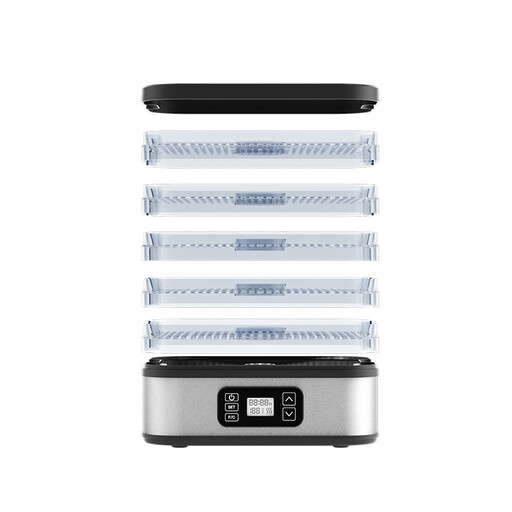
Why it's a great fit for this profile : Perfect for getting started with dehydrating fruits and vegetables for kids' snacks or preserving garden surpluses. Its 5-tray capacity is well-suited for regular family use.
This model includes an adjustable thermostat and a timer. It gives you full control over the process and helps you avoid the single-temperature trap that ruins more fragile foods.
The precise temperature control makes it versatile enough for a wide variety of foods, from delicate fruits to meats. Its simple and effective design makes it an excellent starter model.
Why it's a great fit for this profile : Perfect for making healthy, single-ingredient treats for your pets. You have 100 % control over the composition—no added salt, sugar, or preservatives—which is ideal for sensitive animals.
Drying meat (chicken, beef, etc.) requires a consistently high temperature to eliminate any health risks. This model's adjustable thermostat ensures that safety standard is met.
It allows you to make premium-quality treats (like chicken jerky or banana chips) at home with fresh ingredients. A healthy and cost-effective solution in the long run.
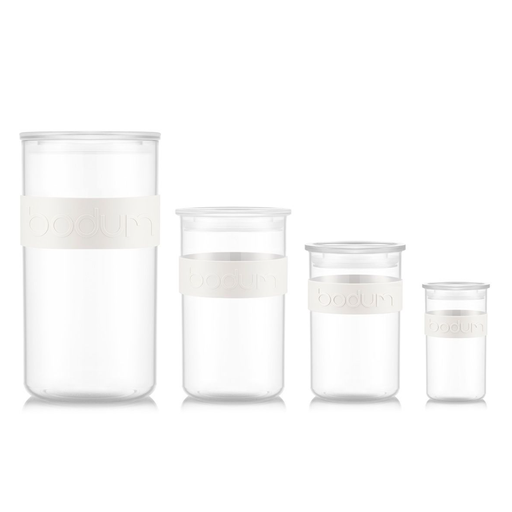
Why it's a great fit for this profile : Dehydration is only the first step. To ensure your efforts aren't wasted, proper storage is crucial. This set of containers is designed to preserve the texture and flavour of your dried foods.
It counters the main post-dehydration problem : rehydration from air moisture. No more apple chips going soft or herbs losing their aroma because of a poorly sealed container.
Their airtight seal preserves crispness and flavour for months. Made from BPA-free plastic, these stackable containers also optimise storage space in your kitchen.
Discover our full selection of products that meet our quality criteria and safety standards.
Less than a conventional oven. A food dehydrator with a power rating of 300 to 600 watts running for 8 hours typically costs less than a dollar on your electricity bill. Using a model with a timer helps you control this consumption even better by preventing unnecessary operation.
The time varies considerably depending on the food, its thickness, and the chosen temperature. As a general guide?:
It is advisable to consult your appliance's manual for more specific recommendations.
The first step is to check if the trays are dishwasher-safe. If so, this greatly simplifies maintenance. If not, soak them in hot, soapy water immediately after use to loosen any residue. A soft brush will help you clean the grates without damaging them. Thorough cleaning is essential to prevent flavour transfer between batches.