What should you look for?
For an evening drink in a care home, first check that it is suitable for the resident’s care plan. Then look at the ingredients and preparation instructions before choosing a flavour.
| What to consider |
What to check |
Who is it for? |
| Caffeine-free |
Read the ingredients, checking in particular for tea, matcha or yerba mate, and look for a ‘caffeine-free’ label on the product you choose. |
If I’m looking for a stimulant-free evening drink, I can’t rely on the word ‘infusion’ alone. Around 29% of consumers rank the absence of caffeine as their top priority. |
| Swallowing and hydration |
Follow the personalised plan for texture, quantity and assistance when serving the drink. Get approval before making any changes. |
When a specific texture is required, my priority is to serve a drink that follows the resident’s plan. Around 29% of consumers put suitability for that plan first. |
| Herbs and medication |
Check every ingredient, especially liquorice, and ask the care team to review the recipe if the resident’s medication or health conditions make this necessary. |
If several medicines or medical precautions are involved, I want to know which herbs are in the drink before serving it regularly. This is the main consideration for around 24% of consumers. |
| Taste and preparation |
Take the resident’s preferences into account, then follow the preparation instructions on the packaging. |
If a resident refuses certain flavours, I look for a recipe they’ll accept and the team can prepare consistently. Around 18% of consumers prioritise acceptability and ease of serving. |
Herbal teas and rooibos on Joybuy
This selection includes chamomile and rooibos herbal teas for a hot drink, as well as cold-brew options. Make sure the format and recipe are suitable for the way the resident’s drink is meant to be served.
 Image unavailable
DAMMANN FRÉRES Chamomile, 21 bags, 42 g
Worth considering if the resident enjoys chamomile.
The product name indicates 21 bags, weighing 42 g in total. Check the packaging for the ingredients and caffeine information. If a specific texture is required, follow the personalised plan.
View on Joybuy
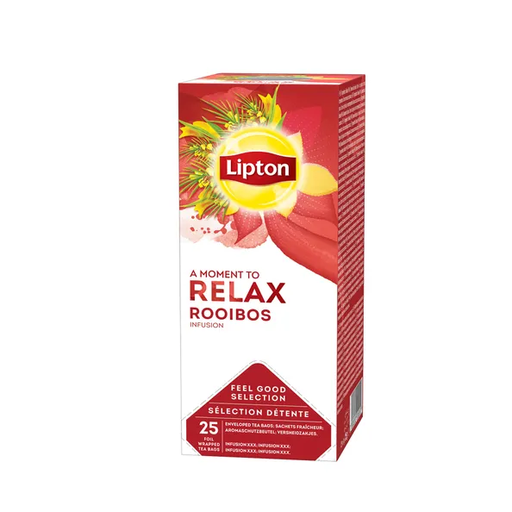 Image unavailable
Lipton Feel Good Selection Rooibos, 25 bags
Worth considering if the resident enjoys rooibos and a hot drink is suitable.
The product name indicates a pack of 25 bags. Check the ingredients, caffeine information and preparation instructions on the packaging for the batch you receive.
View on Joybuy
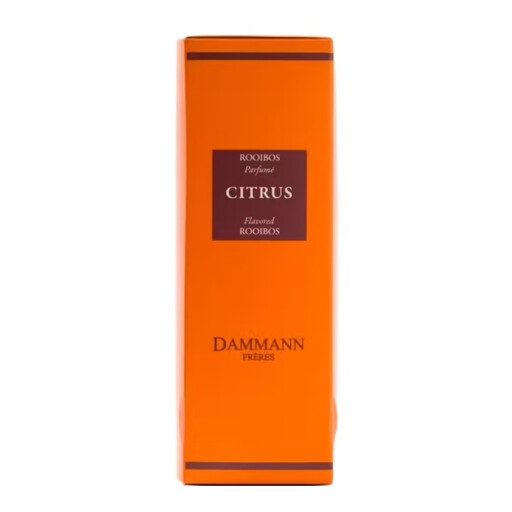 Image unavailable
DAMMANN FRERES Citrus Rooibos, 24 bags, 48 g
The name combines rooibos and citrus, so it may be worth considering if the resident prefers a flavoured blend.
The pack contains 24 bags, weighing 48 g in total. Read the full ingredients list, especially if citrus needs to be avoided, and check the caffeine information on the packaging.
View on Joybuy
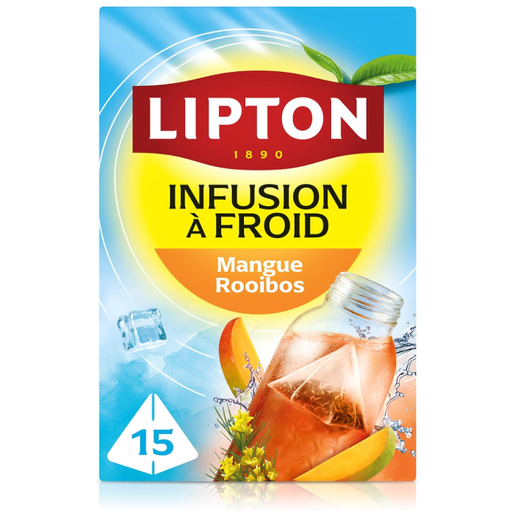 Image unavailable
Lipton Cold Infusion Rooibos Mango, 15 bags
This cold-brew option is worth considering only if a cold drink is suitable for the resident.
The product name indicates 15 bags and a rooibos and mango blend. Check the packaging for the amount of water and preparation instructions, as well as the ingredients and caffeine information.
View on Joybuy
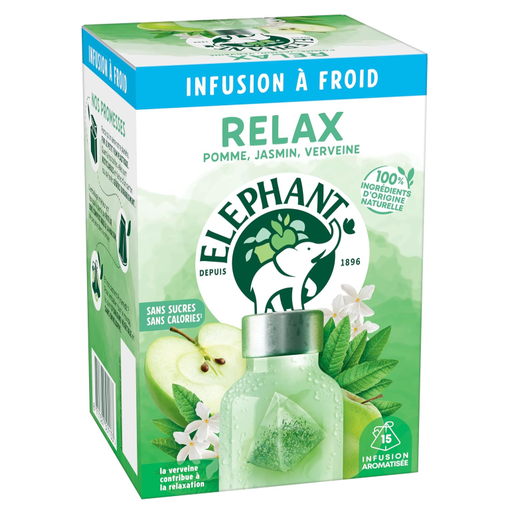 Image unavailable
Elephant Relax Cold Brew Infusion, 15 bags
This cold-brew option may suit a serving plan that includes cold drinks, subject to the resident’s care plan.
The product name indicates 15 bags. Check the ingredients and instructions on the packaging. The word ‘Relax’ is not a medical claim.
View on Joybuy
Frequently asked questions
Is a drink sold as an ‘herbal tea’ always caffeine-free?
No. The category may include products containing tea, matcha or yerba mate. If an evening drink needs to be caffeine-free, read the ingredients and look for an explicit statement on the product you choose.
Can the same herbal tea be served to every resident?
Not without taking each person’s individual instructions into account. If a resident has swallowing difficulties or needs a prescribed texture, the drink and how it is served must follow the plan agreed with the appropriate care team.
Why check whether an herbal tea contains liquorice?
ANSES reports risks linked to high, repeated liquorice consumption, as well as interactions with some medicines. If these precautions apply to the resident, ask the care team to review the recipe before serving it regularly.
What should you read on the packaging before choosing a blend?
Start with the product name and ingredients list, then check for any allergens and the preparation instructions. The French Directorate General for Competition, Consumer Affairs and Fraud Control (DGCCRF) highlights the importance of ingredients lists and clearly identifying allergenic ingredients on food labels.


