Older people who prefer a flavoured drink
A hot or cold herbal tea can add variety to drinks throughout the day. Manger Bouger says herbal teas contribute to fluid intake, while reminding us that water remains the go-to drink.


To encourage an older person to drink regularly, choose an unsweetened herbal tea with a flavour and preparation method they enjoy. A single-herb tea makes the ingredients easy to check, while a fruity or flavoured blend offers a different taste. According to Manger Bouger, herbal teas can contribute to fluid intake, but they do not replace water as the go-to drink or the nutrients provided by food. Check the ingredients if the person takes medication or is sensitive to caffeine.
A hot or cold herbal tea can add variety to drinks throughout the day. Manger Bouger says herbal teas contribute to fluid intake, while reminding us that water remains the go-to drink.
It’s worth checking the ingredients carefully before drinking herbal tea regularly. The Anses advises particular caution with high, repeated consumption of liquorice, especially depending on any medical conditions or medication involved.
A herbal infusion may suit this routine if they enjoy the flavour. If someone is sensitive to caffeine, it’s important to distinguish herbal tea from tea: the Anses says caffeine can disrupt sleep.
Start with a drink the person will enjoy preparing and drinking, then check the ingredients in light of their circumstances.
| Criteria | What to check | Who is it for? |
|---|---|---|
| Ingredients and medication | Read the full ingredients list, particularly to check for liquorice; seek advice if any relevant medication or medical condition is involved. | If a medical condition or medication means the ingredients need to be monitored, a recipe that’s easy to check should be a priority. Around 31% of consumers would put this precaution first. |
| Everyday drinking | Choose a flavour and a hot or cold preparation method that suit the person; check the label for sugars. | If plain water isn’t appealing, offering different flavours can make it more enjoyable to drink regularly. This would be the main concern for around 25% of consumers. |
| Caffeine and when to drink it | Check whether the recipe contains tea and read the caffeine information before drinking it in the evening. | For someone who is sensitive to caffeine and wants a late-evening cuppa, the type of infusion matters more than its flavour. Around 25% of consumers would put this criterion first. |
| Ease of use | Compare the ingredients list, the number of tea bags and the preparation instructions. | If herbal tea needs to fit easily into a daily routine, a simple recipe that’s easy to choose and prepare may be enough. Around 19% of consumers would make this their priority. |
An infusion can add variety to drinks, but it doesn’t replace the nutrients provided by food. Ameli recommends appropriate care in cases of weight loss or malnutrition.
If the person is losing weight or eating less over a prolonged period, ask a health professional for advice rather than relying on herbal tea to resolve the situation.
The Anses links high, repeated consumption of liquorice with the risk of high blood pressure and low blood potassium.
Check the ingredients for liquorice and seek advice before regular use if the person has a relevant medical condition or takes medication that may be affected.
A fruit-flavoured drink may contain tea. According to the Anses, caffeine can delay falling asleep and reduce sleep duration or quality.
For a drink later in the day, check whether it contains tea and look at the caffeine information rather than relying on the blend’s name.
Twinings France offers a Bonne Nuit infusion combining camomile, apple, limeflower and natural raspberry flavouring.
The cold infusion range includes a pomegranate and hibiscus blend designed to flavour cold water.
Carrefour offers a camomile infusion in a box of 25 tea bags.
E.Leclerc offers an organic infusion made with verbena and peppermint.
Auchan offers an organic infusion with verbena as its only listed ingredient.
This selection includes a variety of cold-brew infusions and a camomile infusion for a hot cuppa. Choose a flavour the person will enjoy, then check the ingredients and preparation instructions for the product you select.
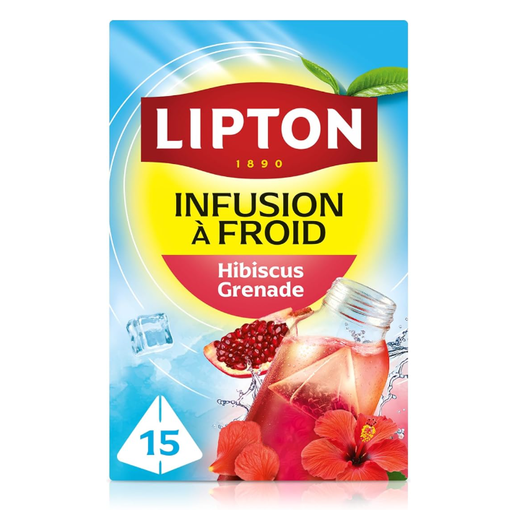 Image unavailable
An option to consider if the person prefers a cold drink with fruity notes to a hot cuppa.
For everyday use, check the ingredients and preparation instructions on the packaging.
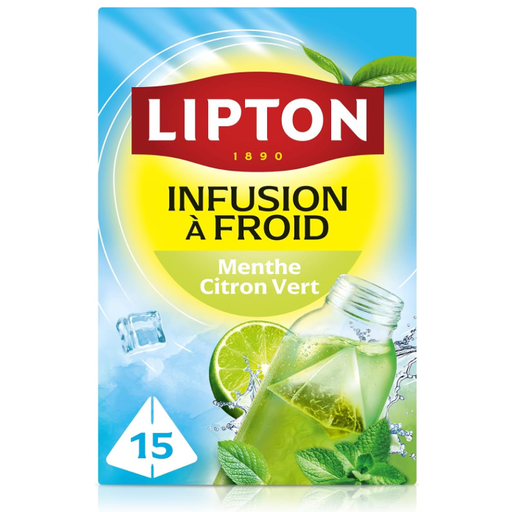 Image unavailable
Worth considering for someone who prefers a cold infusion with mint and lime flavours.
Check the label for the full recipe and preparation instructions.
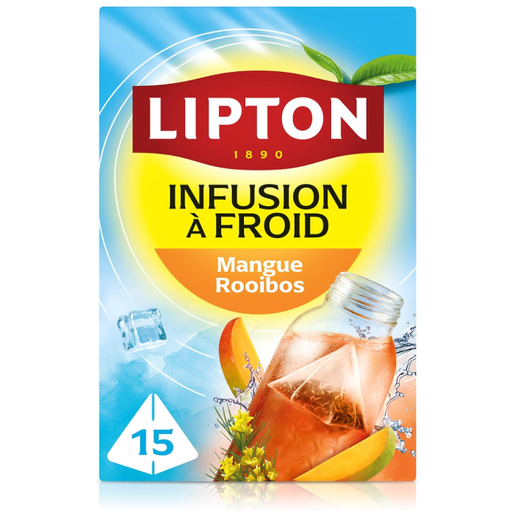 Image unavailable
Another flavour to consider for a cold drink, if the person enjoys the combination of rooibos and mango.
Follow the water quantity and infusion time given on the packaging.
 Image unavailable
Worth considering if a hot camomile cuppa suits the person better than a fruity cold infusion.
Check the ingredients and infusion instructions on the packaging, particularly before regular use if the person takes medication.
No. Herbal tea can contribute to fluid intake, but it doesn’t replace the nutrients provided by food. In cases of weight loss or malnutrition, ameli recommends appropriate care, which may include nutritional advice and, in some situations, oral nutritional supplements.
Not for someone who is sensitive to caffeine: tea may contain caffeine, and the Anses says it can disrupt sleep. Before choosing an evening drink, check whether the recipe contains tea and look at the caffeine information.
No, but you should take the ingredients and the medication involved into account when choosing an infusion. The Anses highlights the risks associated with high, repeated consumption of liquorice in particular. If the person’s circumstances make it advisable, ask a pharmacist or doctor for advice before regular use.