To add variety to an older person’s daily drinks, start with a herbal tea whose ingredients are easy to check, then choose a flavour they enjoy. Herbal tea can contribute to fluid intake, but it does not replace meals if someone has a poor appetite or is losing weight. Liquorice and sources of caffeine need particular attention, depending on their medication, health and the time of day they drink it.
Who are these choices for?
Older people who don’t drink much
A flavour they enjoy can help add variety to the drinks offered throughout the day. Manger Bouger points out that thirst can diminish with age and includes herbal tea among the drinks that contribute to fluid intake.
Older people with a poor appetite or who are losing weight
Herbal tea can go with a meal or snack, but it shouldn’t replace one. According to Assurance Maladie, malnutrition means not getting enough energy, protein and nutrients, so weight loss needs to be addressed separately from the choice of drink.
Older people on medication or sensitive to caffeine
The ingredients list matters more than the blend’s name. Anses highlights the risks of high, repeated liquorice consumption, as well as the possible effects of caffeine on sleep.
What should you look for first?
For a drink they’ll have regularly, start with taste and ease of preparation, then check the full ingredients list. If the person is losing weight, taking medication or wants a herbal tea in the evening, you’ll need to make some additional checks.
| Consideration |
What to check |
Who it matters to |
| Drinking regularly |
A flavour they enjoy and a format that’s easy to prepare and suits how the drink will be served. |
When plain water isn’t appealing and thirst is less noticeable, varying the flavours can make it easier to keep up a regular drinking routine; around 33% of consumers put this need first. |
| Poor appetite or weight loss |
How the herbal tea fits alongside meals and snacks, without presenting it as a nutritional substitute. |
If meals are becoming inadequate, I want to keep offering an enjoyable drink without confusing it with a solution to weight loss; around 27% of consumers put this need first. |
| Ingredients and medication |
The full list of plants, particularly whether it contains liquorice; seek advice before making it a regular drink if needed. |
If I’m taking medication or have a condition that means I need to watch certain ingredients, I can’t choose based only on a name like ‘fruity’ or ‘relaxing’; around 27% of consumers prioritise this check. |
| Caffeine and sleep |
Whether it contains tea, mate, matcha or another source of caffeine, especially if it’s an evening drink. |
If I’m having a herbal tea later in the day, I want to avoid an unnoticed source of caffeine; around 13% of consumers make this their top criterion. |
Mistakes to avoid
-
Relying on herbal tea to address malnutrition
Ordinary herbal tea doesn’t replace the energy and protein provided by food. Weight loss could go unnoticed if the focus is only on drinks.
Offer herbal tea alongside meals and snacks. If the person is eating less over a prolonged period or losing weight, speak to a doctor.
-
Trusting a blend’s name without checking its ingredients
Liquorice can be included in a fruity or ‘relaxing’ herbal tea. Anses says that high, repeated consumption of products containing liquorice can lead to high blood pressure and hypokalaemia.
Look for liquorice on the label. If the person has high blood pressure or cardiovascular, kidney or liver disease, or is taking medication that may be affected, ask a doctor or pharmacist for advice before making it a regular drink.
-
Assuming everything in the herbal tea aisle is caffeine-free
Products containing tea, matcha or mate may be sold alongside herbal infusions. According to Anses, caffeine can delay falling asleep and reduce the length or quality of sleep.
For an evening drink, check the ingredients instead of relying on the aisle name or the flavours listed on the box.
-
Planning repeat purchases without checking the exact product
Availability can vary by shop or ordering method, and two blends with similar names may have different ingredients.
Before buying the same herbal tea again, check that it’s available and read the ingredients list for the exact product you’ve chosen.
Brands and retailers to know
These examples can help you identify different types of blends, but a brand name is no substitute for checking the label of each product.
Twinings
Twinings France offers fruity and floral herbal teas, as well as blends of plants.
- Some product pages give details of the ingredients and preparation for the specific blend.
- A Twinings elderflower, raspberry and hibiscus herbal tea also contains liquorice: a fruity name doesn’t tell you everything about the recipe.
Lipton
Lipton’s range includes black and green teas, as well as herbal teas described as caffeine-free.
- This distinction helps you find a recipe to suit the type of drink you’re looking for.
- Check the exact product: you can’t choose between tea and a caffeine-free herbal infusion based on the Lipton name alone.
Auchan Bio / Auchan
The retailer offers its own-brand herbal teas, as well as an aisle that includes other types of infusions.
- The product page for Auchan Bio’s relaxing herbal tea lists its plants and their proportions.
- This product contains liquorice, so check the ingredients even if its name suggests it’s relaxing.
Carrefour Bio / Carrefour
Carrefour offers, among other products, a Carrefour Bio herbal tea whose listed ingredient is camomile.
- A blend made with just one plant makes it easy to identify the ingredient in this product.
- Check availability at your store or through your chosen ordering method before relying on this product.
Bio Village / E.Leclerc
E.Leclerc’s Bio Village range includes various herbal blends, such as verbena and mint, and liquorice and mint.
- Checking the ingredients helps you tell these recipes apart rather than grouping them all under the general term ‘herbal tea’.
- The E.Leclerc product page for the liquorice and mint blend lists 71,5 % liquorice and advises people with high blood pressure to avoid excessive consumption.
Herbal teas to consider on Joybuy
These products show a few ways to add variety to drinks: a cold-brew option, short ingredient lists and flavoured blends. When choosing a regular drink, consider whether the recipe suits the person’s tastes and whether there are any ingredients they need to watch.
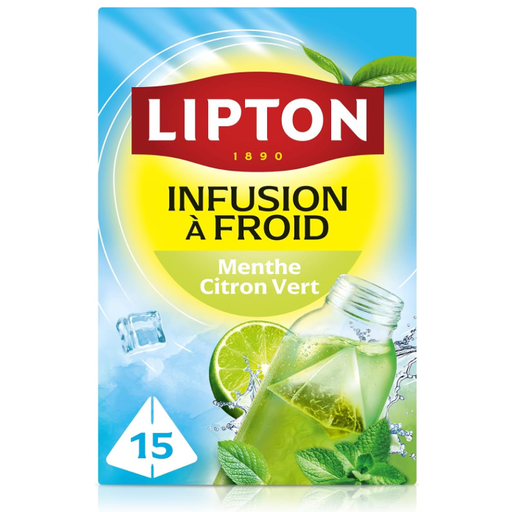 Image unavailable
Lipton Cold Infuse Mint & Lime, 15 bags
Worth considering if the person prefers to flavour a cold drink with mint and lime.
This product is designed to be prepared cold; follow the pack instructions for the correct amount.
View on Joybuy
 Image unavailable
Elephant Organic Verbena Mint, 20 bags
This product combines verbena and mint, making it a good option for someone who likes to know which two plants are in their herbal tea.
Check the pack for the brewing time before preparation, and read the full ingredients list if avoiding caffeine is important.
View on Joybuy
 Image unavailable
DAMMANN FRÉRES Chamomile, 21 bags, 42 g
A camomile option for anyone looking for a simple blend in individual bags.
Like other ordinary herbal teas, it can be enjoyed as part of your daily drinks, but it won’t replace a meal or snack if someone has a poor appetite.
View on Joybuy
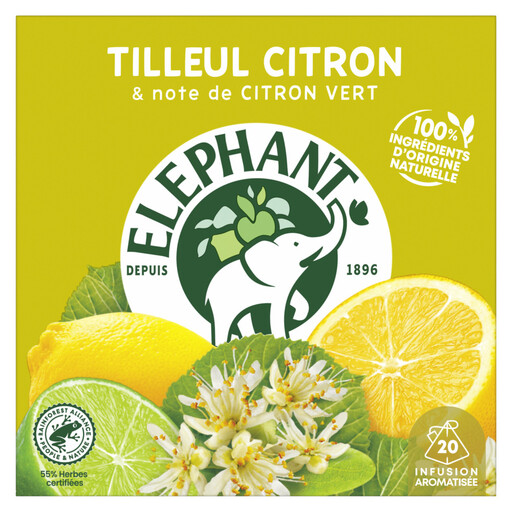 Image unavailable
Elephant Linden Lemon, 20 bags, 28 g
The lime blossom and lemon flavour may appeal to someone who’d like a change from single-plant herbal teas.
This blend contains several ingredients, so read the full label if there are plants the person needs to avoid, and follow the preparation instructions.
View on Joybuy
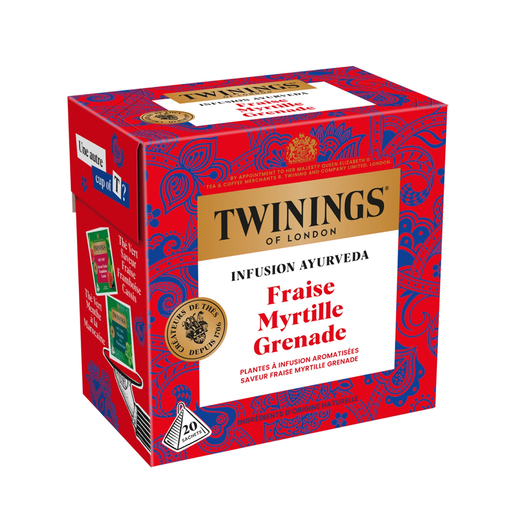 Image unavailable
Twinings Strawberry Blueberry Infusion, 20 bags
Its fruity flavour offers another way to add variety to drinks, provided the ingredients are suitable for the person.
This product contains liquorice. Anses highlights the risks of high, repeated consumption, so seek advice before making it a regular drink if the person has high blood pressure, a relevant medical condition or is taking medication.
View on Joybuy
Frequently asked questions
Can herbal tea help an older person drink more regularly?
Yes, it can add variety to the drinks they have throughout the day. Manger Bouger points out that thirst can diminish with age and includes herbal tea among drinks that contribute to fluid intake. Individual needs should still be taken into account, particularly in the case of illness or medication.
Is herbal tea enough if an older person has a poor appetite or is losing weight?
No, it doesn’t replace meals or snacks, or the need to assess weight loss. Manger Bouger advises speaking to a doctor, particularly if someone over 75 has lost 2 kg in a month or 4 kg in six months.
Why check whether a herbal tea contains liquorice?
According to Anses, high, repeated liquorice consumption can lead to high blood pressure and hypokalaemia. It’s particularly important to be cautious if the person has cardiovascular, kidney or liver disease, or is taking medication that could interact with it. Seek advice before making it a regular drink.
Is a herbal tea sold as an evening drink always caffeine-free?
No. Check the ingredients of the specific product rather than relying on its name or where it’s displayed in the shop. A blend containing tea, mate or matcha can contain caffeine; Anses says caffeine can delay falling asleep and affect sleep.


