Older people who don’t drink much
A flavour they enjoy may encourage them to have a wider variety of drinks throughout the day. Herbal tea is a drink, not a meal replacement: Manger Bouger reminds us that nutritional needs do not decrease with age.


To encourage an older person to drink more, start by choosing a flavour they enjoy, then check the ingredients rather than relying on the word ‘strong’. If sleep or medication is a factor, look out in particular for tea, guarana and liquorice. Herbal tea can add variety to their drinks, but a full-bodied flavour is no substitute for food, or for professional advice if there are concerns about nutritional frailty.
A flavour they enjoy may encourage them to have a wider variety of drinks throughout the day. Herbal tea is a drink, not a meal replacement: Manger Bouger reminds us that nutritional needs do not decrease with age.
A full-bodied cup doesn’t have to contain tea. The Anses identifies tea and guarana as sources of caffeine, so checking the ingredients is more important than going by the drink’s name.
Check the ingredients carefully before making a herbal infusion part of someone’s daily routine. The Anses highlights risks associated with high, repeated consumption of liquorice, as well as possible interactions between certain plants and medicines.
Start with a flavour the person will enjoy coming back to, then check the ingredients in light of their sleep, health and medication. The word ‘strong’ describes a taste impression, not nutritional value or a level of intensity measured consistently across different products.
| What matters | What to check | Who is it for? |
|---|---|---|
| Encouraging them to drink | A flavour family they genuinely enjoy and the preparation instructions on the packaging. | When plain water doesn’t appeal, I look for a flavour that makes me want to pour another cup regularly; around 33% of consumers put the enjoyment of drinking first. |
| Liquorice and medication | The full ingredients list, particularly for liquorice. If there is a relevant health condition or medication, ask for advice before drinking it regularly. | If I take regular medication or have high blood pressure, I want to know which plants I’d be consuming often. For around 27% of consumers, checking compatibility comes first. |
| Caffeine and sleep | Whether it contains tea or guarana, and when the cup is likely to be enjoyed. | If a late-night drink could affect my sleep, I want a full flavour without choosing a caffeinated blend blindly; around 20% of consumers prioritise this. |
| Making an informed choice | The ingredients, format and number of tea bags. Don’t take an evocative name as proof of a medical effect. | If I want to try different flavours without being swayed by a ‘wellness’ promise, I need a clear label. Around 20% of consumers put a clear product range first. |
A strongly flavoured drink may contain tea or guarana. According to the Anses, caffeine can delay falling asleep and reduce the duration and quality of sleep, although its effects vary from person to person.
If you’re choosing a late-evening drink or buying for someone who is sensitive to caffeine, look for these ingredients on the label rather than relying on the product range name.
The Anses states that high, repeated consumption of products containing liquorice can lead to hypokalaemia and high blood pressure. It also highlights interactions with several medicines.
If the person has high blood pressure, cardiovascular, kidney or liver disease, or takes regular medication, ask a pharmacist or doctor to check whether the blend is suitable.
A full-bodied flavour is no indication of higher nutritional value. Manger Bouger reminds us that nutritional needs do not decrease with age; a ‘wellness’ label alone won’t address loss of appetite or weight.
Enjoy herbal tea as a drink, and seek a professional assessment if you’re concerned about food intake or weight.
Twinings France distinguishes between its teas and herbal infusions. Its range may appeal to people comparing different flavour profiles, as long as they choose the type of drink they’re looking for.
Carrefour France’s herbal tea selection includes several ranges and flavours, making it useful for comparing ingredients while shopping.
E.Leclerc DRIVE lets you search for everyday groceries, including products from the Marque Repère brand.
These herbal teas offer a range of flavours and formats for older people who want to add variety to their drinks. Some listed ingredients include liquorice, so check the label of the product you choose, especially if it will be consumed regularly.
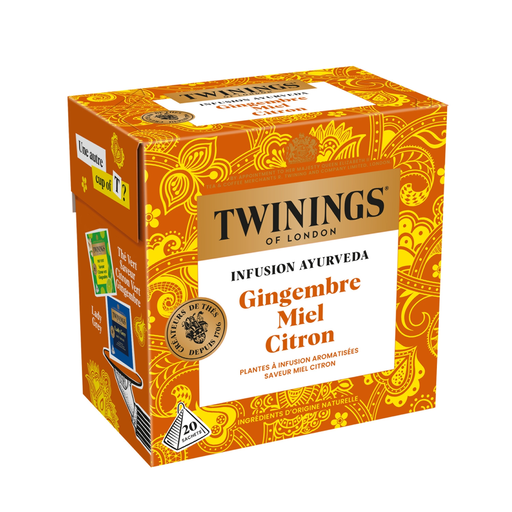 Image unavailable
Worth considering if you’re looking for a herbal infusion rather than tea. The listed ingredients include liquorice: if you have high blood pressure or take regular medication, ask for advice before drinking it often.
Listed format: 32 g.
 Image unavailable
Worth a look if the person enjoys the combination of verbena and mint. If caffeine-free is essential, check the label to confirm before buying.
Listed format: 20 tea bags.
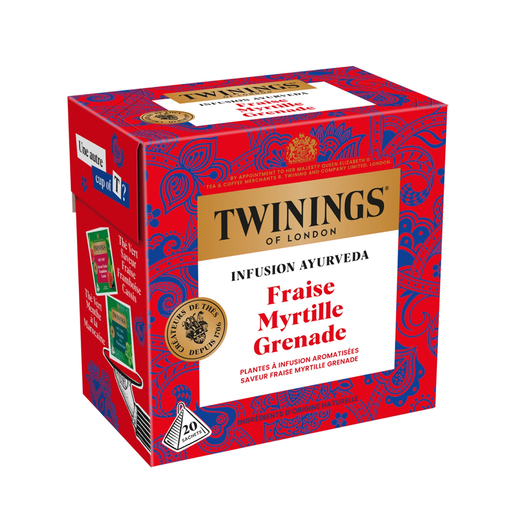 Image unavailable
Worth comparing if fruit flavours appeal more than minty or spicy ones. The listed ingredients include liquorice: if the person may be affected by the risks or interactions described by the Anses, ask for advice on whether it’s suitable before they drink it regularly.
Listed format: 20 tea bags.
 Image unavailable
Worth considering if you’d like to try different herbal tea flavours, without taking ‘Digestion’ as proof of a medical effect. The listed ingredients include liquorice: ask for advice before drinking it regularly if you have a relevant health condition or take medication.
Listed format: 40 g.
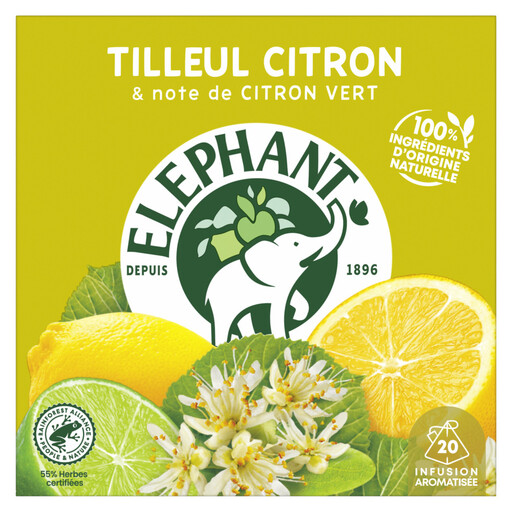 Image unavailable
Worth considering if the person prefers a flavour described as mild; this may not suit someone looking for a particularly full-bodied cup.
Listed format: 20 tea bags, 28 g.
Yes, herbal tea counts towards fluid intake. For adults over 75, Manger Bouger advises drinking regularly rather than waiting until you feel thirsty, and gives a general recommendation of 1 to 1.5 litres a day. Any personalised advice from a healthcare professional should take precedence.
No, a stronger taste doesn’t mean the drink has greater nutritional value. Manger Bouger reminds us that nutritional needs do not decrease with age. If there are concerns about diet or weight, herbal tea is no substitute for assessing meals and food intake.
Read the ingredients list and look in particular for tea and guarana, which the Anses names among plants that naturally contain caffeine. A strong flavour or the product’s place in the herbal tea aisle isn’t enough to tell you what it contains.
Check the ingredients before making it a regular drink, particularly if the person has high blood pressure or takes medication. According to the Anses, high, repeated consumption of products containing liquorice can lead to hypokalaemia and high blood pressure. If this applies to the person, ask a pharmacist or doctor for advice.
No, an evocative name doesn’t prove that a herbal tea treats a symptom. The DGCCRF reminds us that health claims used for food products must be authorised under the applicable conditions. Choose a drink based on its ingredients and your preferences, and don’t substitute a promise on the packaging for medical advice.