
Livraison le jour même ou le lendemain

Qualité garantie

Débloquez vos offres de bienvenue: Livraison GRATUITE | Jusqu'à -80 % | 30 jours d'essai gratuits à JoyPlus
Téléchargez l'application
An enamelled cast iron dutch oven is much more than a simple piece of cookware: it's the cornerstone of your slow-cooked stews, flavourful roasts, and even your homemade bread. But with the vast array of models available, it's easy to make a purchase you'll regret. The goal isn't to find the "perfect" dutch oven, but the one that truly suits your cooking style.
Before you dive in, let's review the most common pitfalls. Knowing them will save you from disappointment and guide you toward the right choice.
To make a clear choice, focus on a few key technical features. These are the true guarantees of your future enamelled cast iron pot's performance and longevity.
Cast iron is prized for its ability to store and release heat slowly and evenly. A good dutch oven should be heavy: this is a sign of sufficient cast iron thickness.
The enamel is a glass coating that protects the cast iron from rust, prevents food from sticking, and makes cleaning much easier. There are two main types of interior enamel:
A quality enamel coating should be smooth, uniform, and applied in several layers to ensure its durability.
Whether you cook on gas, electric, ceramic, or induction hobs, the base of your dutch oven is crucial. For an induction-compatible dutch oven, the base must not only contain a ferromagnetic material (which cast iron does), but above all, it must be perfectly flat and thick. A thick base prevents it from warping under heat and ensures stable thermal diffusion across the entire surface. A good pre-purchase check: verify this flatness, for example, by placing a ruler across the bottom.
Choosing the right capacity is essential to avoid wasting energy or cooking in a cramped pot. Here are a few guidelines:
Shape also matters: round dutch ovens are the most versatile, while oval ones are ideal for roasts, whole poultry, or fish.
Rather than an endless catalogue, here are three models that cater to distinct profiles, all while meeting the quality criteria we've just discussed.
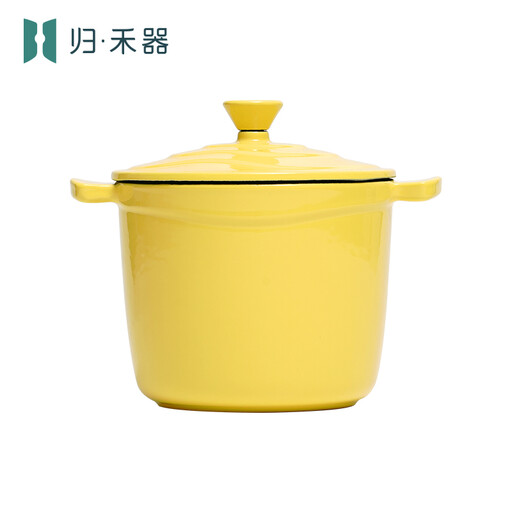
Why we chose it: Its compact size is ideal for a single person, preparing baby food, or cooking side dishes. It's easy to handle, clean, and store, making it a highly practical tool for daily use.
Its thick, flat base ensures perfect induction compatibility and even cooking. Say goodbye to the problem of bases that warp and heat poorly.
Its great versatility for small quantities (soup, porridge, individual fondue) and a splash of colour that brightens up the kitchen.
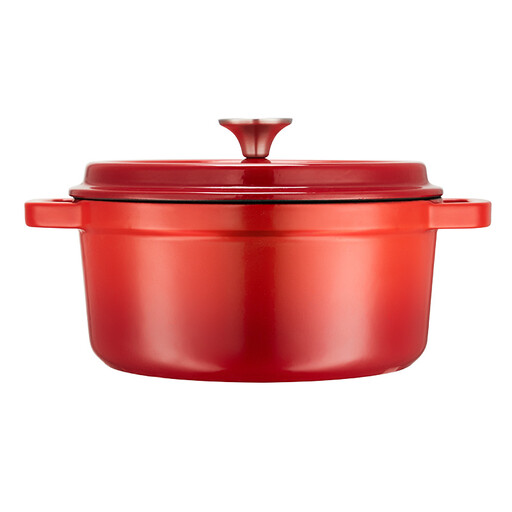
Why we chose it: With its 24 cm diameter, this dutch oven is sized for family meals (4-5 people). It's an excellent compromise for those seeking the performance of enamelled cast iron without breaking the bank.
Its solid construction and well-fitted lid guarantee perfect heat and moisture retention. No more lightweight lids that let flavours escape!
An excellent capacity-to-price ratio and a robust design, engineered for slow, even cooking of stews and braises.
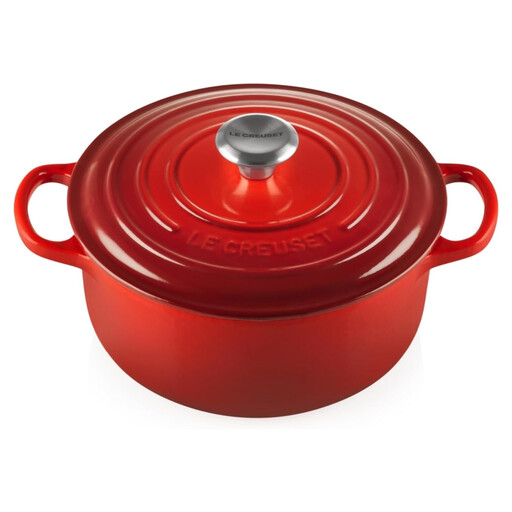
Why we chose it: For those seeking an iconic piece of French culinary heritage that combines performance and aesthetics. It's an investment in durability, a piece of cookware often passed down through generations.
The vitrified enamel, a result of unique craftsmanship, is designed to resist chipping and staining over the long term. A direct answer to the fear of a damaged enamel coating.
French-made, a light-coloured interior enamel for perfect cooking control, and impeccable heat retention.
We have put together a broader selection of products that meet our quality criteria and current standards.
Yes, the vast majority of modern enamelled cast iron dutch ovens are induction-compatible. Cast iron is a ferromagnetic material, which is the technical prerequisite. For optimal efficiency, however, you should still verify that the base of the dutch oven is perfectly flat and that the manufacturer clearly states induction compatibility.
Maintenance is simple but requires a few precautions.
The differences mainly lie in the place of manufacture, the quality of the enamel, the thickness of the cast iron, and the design. Heritage brands like Le Creuset highlight French craftsmanship and a lifetime guarantee, which justifies a higher price. Other brands offer a functional and colourful dutch oven at a more accessible price point by optimising their manufacturing processes. The final choice will therefore depend on your budget and your priorities: a brand's heritage or the best performance-to-price ratio.