
Livraison le jour même ou le lendemain

Qualité garantie

Débloquez vos offres de bienvenue: Livraison GRATUITE | Jusqu'à -80 % | 30 jours d'essai gratuits à JoyPlus
Téléchargez l'application
A true cornerstone of our kitchens, the enamelled cast iron Dutch oven is often passed down from generation to generation. It's a lifetime investment for decades of slow-cooked stews, homemade breads, and flavourful roasts. The problem is, the market is saturated with options, and often-misleading marketing doesn't help you navigate it. The wrong choice guarantees disappointment?: chipping enamel, uneven cooking, or a pot that's far too heavy for practical daily use.
As the Head of Product Curation at Joybuy, I'm here to guide you through this jungle. This guide breaks down the essential criteria for choosing the perfect model for you and, most importantly, for avoiding the most common pitfalls.
Buying a Dutch oven seems simple on the surface, but certain technical details, often missing from product descriptions, make all the difference. Here are the key points you should never overlook.
To be sure of your investment, focus on these three objective parameters.
The enamelled cast iron Dutch oven is unparalleled in its ability to store, retain, and distribute heat slowly and perfectly evenly. This is what makes it the undisputed queen of pots for slow cooking. The interior enamel, often light-coloured, allows you to easily monitor cooking and simplifies cleaning, while being an inert material that doesn't react with acidic foods.
Other options exist?:
A good Dutch oven must adapt to your kitchen and your habits. It's crucial to check these two points?:
A Dutch oven's capacity is measured in litres (L) and its diameter in centimetres (cm).
Rather than searching for a one-size-fits-all Dutch oven, it's better to find the one that truly matches your cooking style.
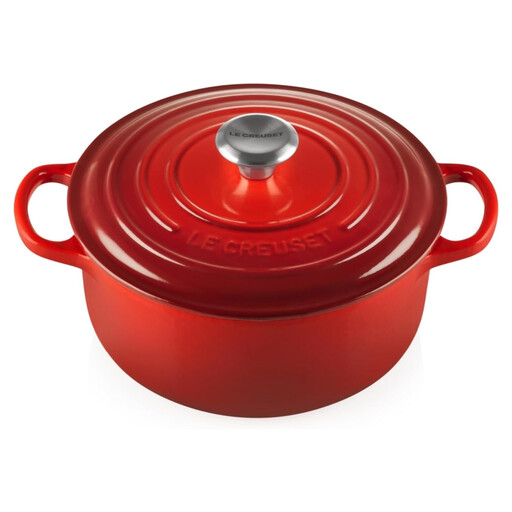
Why it's the right choice : For those who see cooking as an art form, this model is the gold standard. Its French craftsmanship and stellar reputation make it a sound investment for high-precision cooking performance, especially for dishes that require long, perfectly controlled simmering.
The quality of the enamel is the brand's historic strength, offering exceptional resistance to wear and stains. Its base is machined to ensure perfect contact with cooktops, including induction.
Unmatched heat retention and distribution for perfectly consistent cooking results. The stainless steel knob allows for use in the oven at very high temperatures, without any limitations.
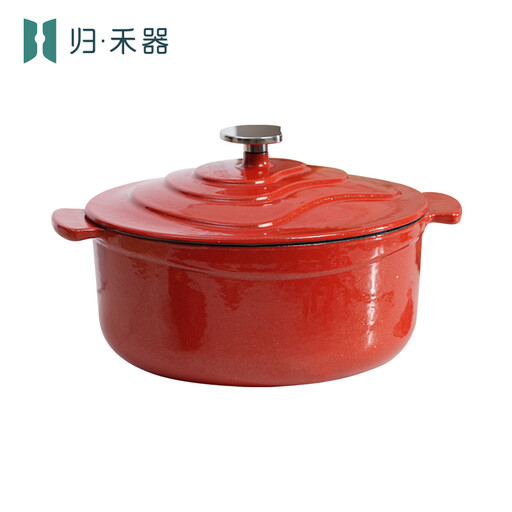
Why it's the right choice : With its 3.3 L capacity, this Dutch oven is perfectly sized for a family of 3 to 4. Its colourful design and accessible price point make it a smart and practical option for daily use, without sacrificing essential features.
This model is clearly advertised with a flat, induction-compatible base, which immediately sidesteps the false compatibility trap. Its weight remains well-balanced for its size.
Excellent value for its capacity. The lid's design creates a "self-basting" effect that helps retain moisture and flavours—a real plus for slow-cooked dishes.
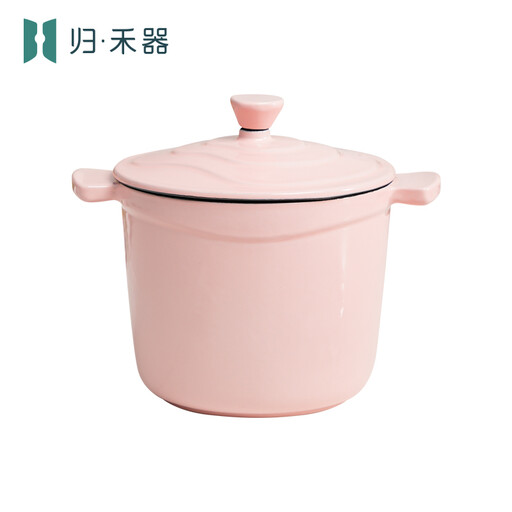
Why it's the right choice : This small individual casserole is perfect for single people, for preparing side dishes, or for introducing solids to toddlers. Its compact size makes it very easy to store, handle, and clean.
By focusing on a small size, this model avoids the pitfall of excessive weight. It remains light and easy to handle while offering the benefits of enamelled cast iron for gentle, even cooking—ideal for purées or soups.
Versatility for small quantities : individual fondue, porridge, sauce, or a solo meal. Its induction compatibility makes it a modern and practical tool, even in the smallest kitchens.
We have compiled a complete and up-to-date selection of Dutch ovens that meet our strict selection criteria and current safety standards.
How long does an enamelled cast iron Dutch oven last?? With proper care, a quality Dutch oven can last for several decades, or even a lifetime. The golden rules?: avoid thermal shock (never run a hot pot under cold water), use wooden or silicone utensils to avoid scratching the enamel, and dry it completely after each wash to prevent any rust spots on the un-enamelled rims.
Is cast iron really better than stainless steel for simmering?? Each material has its strengths. Cast iron excels due to its thermal inertia?: once hot, it maintains a very stable temperature, which is ideal for long, slow cooking. A good stainless steel casserole, especially one with a thick base, can also simmer very well, but it will react more quickly to changes in your cooktop's power level. For dishes that require constant, enveloping heat, cast iron still has the edge.
How do you clean an enamelled cast iron Dutch oven when food is stuck to the bottom?? Above all, never use abrasive sponges or steel wool?! The gentle method is the most effective?: fill the Dutch oven with hot water and a tablespoon of baking soda. Let it soak for several hours, or ideally overnight. The residue will then lift off effortlessly with a regular sponge. For truly stubborn stains, bring this mixture to a simmer for a few minutes before letting it cool and then cleaning.