
Livraison le jour même ou le lendemain

Qualité garantie

Débloquez vos offres de bienvenue: Livraison GRATUITE | Jusqu'à -80 % | 30 jours d'essai gratuits à JoyPlus
Téléchargez l'application
The cast iron Dutch oven is a cornerstone of French cuisine, synonymous with slow-simmered dishes and authentic flavours. This iconic piece of cookware is passed down through generations, but choosing the right one can quickly become a headache. Lost in a sea of marketing promises and technical specs, it's easy to make a mistake. Before you invest, it's best to know the pitfalls to avoid so that your Dutch oven can become a lifelong kitchen companion.
The excitement of a new purchase can sometimes mask flaws that only reveal themselves with use. Here are the three main hurdles to keep in mind:
To navigate the jungle of available models, focus on these key criteria that will make all the difference in your cookware's performance and lifespan.
The choice of material is the first question to ask yourself, as it will dictate how you use your pot.
For a pot to be truly "compatible with all hobs, including induction," its base must be thick, perfectly flat, and ferromagnetic. A multi-ply composite base is a true hallmark of quality. It ensures even heat diffusion, prevents hot spots, and guarantees optimal energy efficiency, whether on gas, electric, or induction hobs.
The capacity of your Dutch oven should match your habits. A large Dutch oven is inefficient for cooking small quantities, while one that's too small will limit your culinary ambitions.
To put theory into practice, here are a few models suited to specific needs.
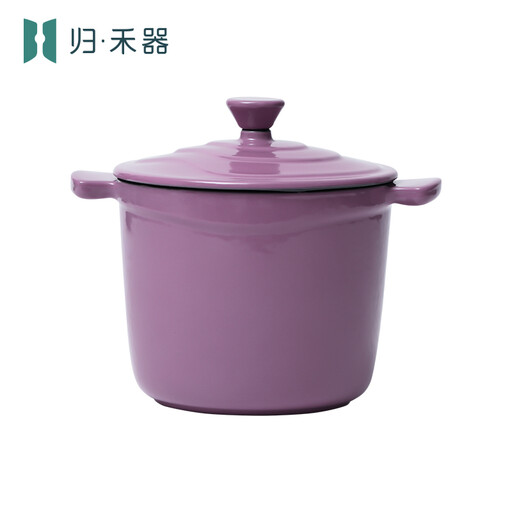
Why this model? Perfect for parents preparing homemade purées or for solo meals. Its small capacity (1.3 L) is designed for small quantities, which avoids wasting energy and makes serving easier.
It bypasses the problem of weight and bulkiness. Its compact size makes it very easy to handle and store, even in a small kitchen.
Its enamelled cast iron construction ensures gentle, even heating—an essential criterion for delicate preparations like porridges or purées.
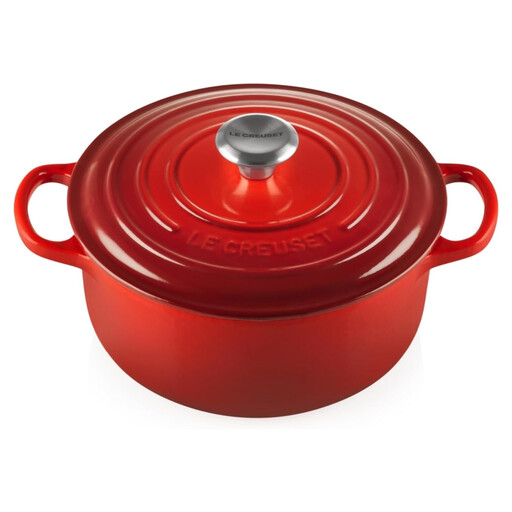
Why this model? For those seeking an iconic, high-performance heirloom piece. Its 20 cm size (2.4 L) is perfect for slow-cooked dishes for 2 to 3 people, and its French manufacturing is a guarantee of longevity.
This model is the direct answer to the low-quality enamel pitfall. Le Creuset's enamel quality is legendary for its resistance to scratches and thermal shock, ensuring durability for decades.
Exceptional heat retention for slow, even cooking. Its large, ergonomic handles ensure a secure and comfortable grip, even with oven mitts.
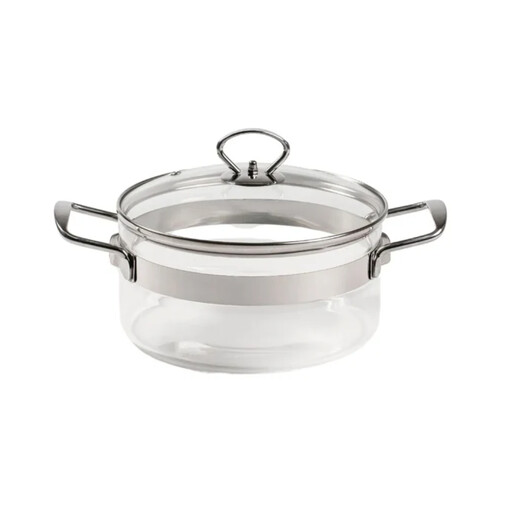
Why this model? For cooks who are mindful of the materials that come into contact with their food, this glass pot is the ideal alternative. Completely inert, it is free of any coatings (PFAS, PTFE) and won't retain odours or flavours.
It eliminates any concerns about chemical coatings and their degradation over time. Its transparency allows you to monitor your cooking at a glance, without lifting the lid and losing heat.
A 100% healthy and non-porous material. Its versatility is a real plus: it's oven-safe (up to 180 °C) and can be used on hobs (gas, electric, and induction via an adapter disc).
We have curated a complete selection of Dutch ovens and casseroles that meet our quality standards and the latest regulations.
Always let the Dutch oven cool completely before cleaning to avoid thermal shock, which can crack the enamel. Wash it by hand with hot water, a little washing-up liquid, and a soft sponge. Dry it meticulously before storing. For stubborn stains, a baking soda paste will work wonders.
Yes, as cast iron is a ferromagnetic material, it is naturally compatible with induction. However, the key to optimal performance lies in a thick and perfectly flat base. A warped or overly thin base will prevent full contact with the hob, reducing efficiency and potentially causing vibrations.
Absolutely not. You must avoid metal utensils (forks, knives, whisks, etc.) at all costs, as they could scratch or chip the vitrified surface. Always opt for wooden, silicone, or nylon utensils to keep the enamel intact.