
Livraison le jour même ou le lendemain

Qualité garantie

Débloquez vos offres de bienvenue: Livraison GRATUITE | Jusqu'à -80 % | 30 jours d'essai gratuits à JoyPlus
Téléchargez l'application
An insulating door draught excluder can help prevent draughts, dust and moisture from getting in without the need for major work. However, you need to choose the right model: an ill-fitting seal may quickly come unstuck, interfere with opening the door or leave part of the gap exposed.
Before placing your order, check the width of the gap to be filled, the type of flooring and the fixing method. These three criteria help you distinguish between a simple door draught excluder, an adhesive door bottom seal and a profile designed for a garage door.
A 93 cm or 80 cm strip generally refers to the length to be adjusted to fit the door, not the size of the gap beneath it. Depending on the model, the gap-filling capacity can range from 15 to 60 mm. Measure the gap in several places with the door closed: a slightly uneven floor can create varying gaps.
Self-adhesive models are more likely to stay firmly in place on varnished wooden flooring, tiles, laminate, PVC or smooth concrete, provided the surface is clean, dry and completely degreased. On a dusty, porous or heavily textured floor, the adhesive may quickly lose its effectiveness.
In this case, a seal for uneven floors fitted with soft brushes or a flexible membrane will follow surface irregularities more effectively. For a garage door, a screwed or hinged profile will often be more suitable than a simple adhesive door draught excluder.
A weather seal can reduce draughts, but its effectiveness also depends on the overall condition of the door, windows and walls, as well as the ventilation in your home. Percentages shown in some product listings should be treated as indications that apply under specific conditions, not as a guarantee for every home.
A seal for large gaps should not be compressed so much that it prevents the door from closing. Also make sure that the bottom of the door does not catch on skirting boards, thresholds or rugs.
Rigid PVC with a flexible lip provides a neat fit on smooth flooring. Reinforced rubber is better suited to door and window frames exposed to temperature changes. Double brushes follow uneven floors more effectively, while an aluminium profile with a rubber flap is particularly suitable for a garage door that is opened and closed frequently.
For protection against dust and moisture, examine the shape of the lip, the continuity of the profile and its stated resistance to ultraviolet rays. The presence of adhesive alone does not guarantee long-lasting sealing.
Clean the surface with a non-abrasive product, allow it to dry, then position the seal without stretching it. For models that need cutting, use a suitable tool and wear cut-resistant gloves. Regularly cleaning the lip or brushes will prevent dust from building up and creating new draughts.
A door and window weather seal should also be checked a few days after installation: peeling at the ends, excessive rubbing or difficulty closing the door generally indicate that the size is not right.
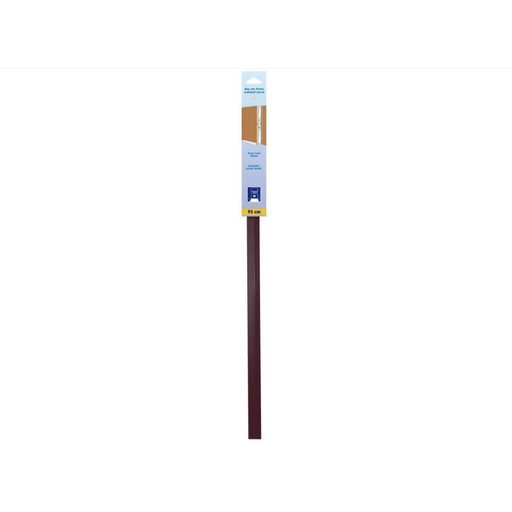
Why this choice suits this profile : This self-adhesive model is suitable for a first installation on smooth indoor flooring, particularly in a bedroom, home office or hallway.
The listing states that it is compatible with smooth floors and gaps of up to 15 mm. However, the surface must be prepared carefully before applying it.
0.93 m PVC profile with a flexible lip and high-grip adhesive, as stated by the manufacturer.
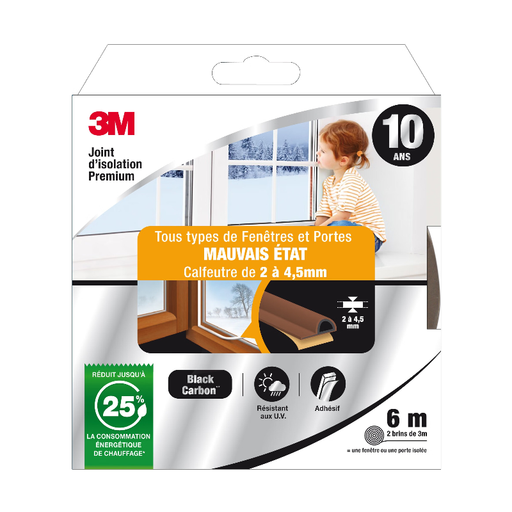
Why this choice suits this profile : Its 6 m length allows you to seal several door or window frames with minor fitting imperfections.
The stated range of 2 to 4.5 mm helps prevent you from choosing a profile that is too thick for a frame with only a minor fitting imperfection.
Reinforced rubber, stated UV resistance and compatibility with wood, PVC and aluminium.
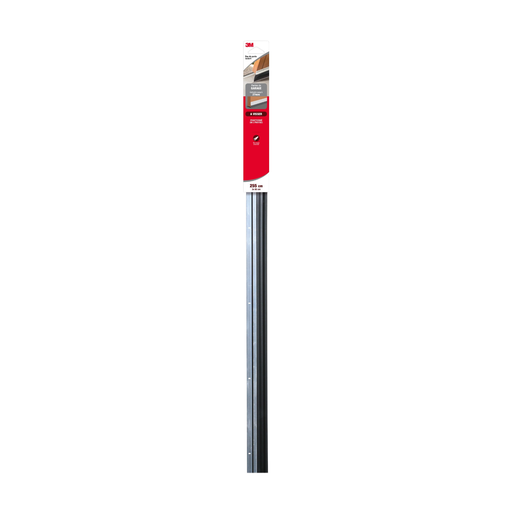
Why this choice suits this profile : Its design is intended for garage doors and uneven floors exposed to frequent traffic, dust and moisture.
The hinged profile is presented as capable of following uneven surfaces, unlike a rigid strip fitted to a distorted floor.
Aluminium profile, rubber flap and stated gap-filling capacity of up to 27 mm.
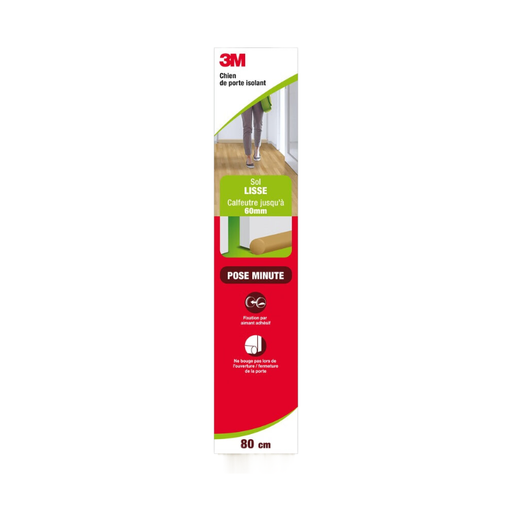
Why this choice suits this profile : Its magnetic and self-adhesive system is suitable for interior doors installed on a flat surface where the fitting needs to remain discreet.
It is specifically intended for smooth floors. This guidance helps prevent installation on a bumpy threshold, where magnetic contact would be uneven.
0.80 m length, self-adhesive fixing, magnetic closure and stated gap-filling capacity of up to 60 mm.
We have selected a comprehensive, real-time updated range of products that meet these demanding selection criteria and European safety regulations.
First, measure and cut the profile. Then clean the bottom of the door and the floor with a suitable degreaser, and dry everything thoroughly. Gradually remove the protective film while pressing along the entire length, without stretching the strip. Avoid putting the adhesive under heavy strain immediately after fitting.
This depends on the material, how often the door is opened, friction against the floor and exposure to moisture. Some product listings state a theoretical lifespan of several years or a specific number of cycles, but these figures apply under the conditions defined by the manufacturer. Regularly inspect the lip, brushes and bonded areas.
For an uneven floor or a wide opening, look for a garage door seal with a flexible flap, hinged profile or compressible foam. The model should cover the measured gap without preventing the door from closing. Mechanical fixing will often be preferable if the area is exposed to water, temperature changes or frequent traffic.