
Livraison le jour même ou le lendemain

Qualité garantie

Débloquez vos offres de bienvenue: Livraison GRATUITE | Jusqu'à -80 % | 30 jours d'essai gratuits à JoyPlus
Téléchargez l'application
An insulated door draught excluder helps reduce draughts, dust ingress and minor splashes of moisture. However, you need to choose a suitable model: the wrong size can obstruct opening, come unstuck quickly or leave a visible gap beneath the door.
Before buying a door draught stopper, a door bottom seal or a draught excluder, three mistakes are particularly common.
A product designed to fill a 15 mm gap will not necessarily be suitable for a threshold with a 25 or 30 mm gap. Conversely, a brush that is too thick may rub against the floor and make the door harder to open smoothly.
Measure the gap at several points with the door closed. In an older property, the floor may have a slight slope or uneven levels.
An adhesive door bottom seal with a flexible lip is generally suitable for flat surfaces such as tiles, varnished parquet, laminate flooring, PVC or polished concrete. On a raw concrete threshold, natural stone or an uneven slab, a flexible brush will follow irregularities more effectively.
Installing a door seal for smooth floors on a very uneven surface may allow draughts through and cause the product to come unstuck sooner.
The stated lifespan depends on several factors: how often the door is opened, how the surface is prepared, exposure to moisture and the quality of installation. Adhesive fixing requires a clean, dry and thoroughly degreased surface. Mechanical fixing takes more work, but is often more suitable for a frequently used door.
On a smooth floor, look for a profile with a flexible sealing lip or a continuous seal. For an uneven surface, choose one or more rows of brushes that can follow the contours.
A model installed at an entrance, in a garage or in a workshop must also withstand dust, water splashes and temperature changes. In a bedroom or home office, the main priorities will be reducing draughts and perceived noise.
Product listings generally state a coverage capacity in millimetres. Compare this value with your actual measurement:
These figures correspond to the specifications provided for the relevant products. You should still check the dimensions directly at the installation site.
A screw-fixed door bottom seal is generally attached to the door. It is well suited to regular use or to a surface where adhesive does not adhere well. An adhesive model is quicker to install and requires no drilling, but the surface must be prepared impeccably.
Before applying an adhesive:
Avoid dusty, greasy or crumbly surfaces. For a door opening directly onto the outside, also check the opening direction and make sure the profile will not catch on the threshold.
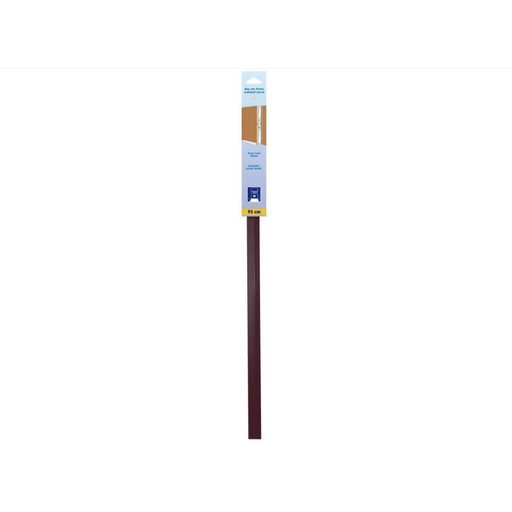
Why this choice suits this profile : this 93 cm adhesive model is suitable for smooth floors and can be cut to fit the door width. It is a simple solution for a first installation in an interior room.
The listing states that it is compatible with smooth surfaces and covers gaps of up to 15 mm, so you can compare these details with your measurements before installation.
PVC profile, 3M adhesive and a length of 93 cm. The listing states that it can withstand more than 37,500 opening and closing cycles.
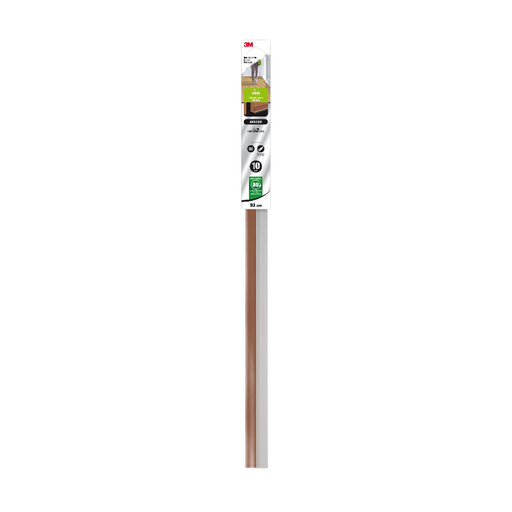
Why this choice suits this profile : its brown finish and transparent flap blend discreetly with a wooden door or dark floor. The adhesive installation means there is no need to drill the door.
It is specifically designed for smooth floors and gaps of up to 15 mm, avoiding the need to choose a brush that is unsuitable for a flat surface.
93 cm length, can be cut to size, with a stated minimum lifespan of 10 years according to the product listing.
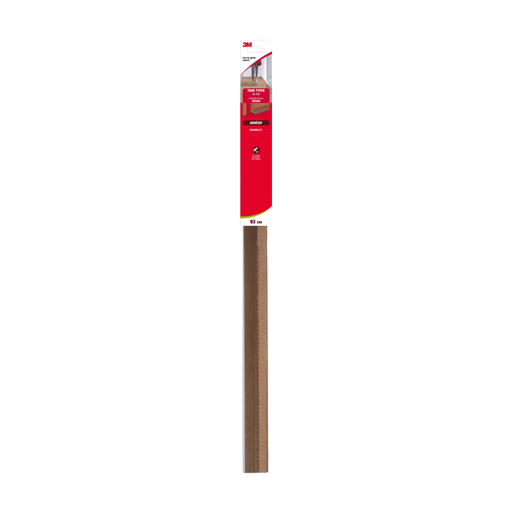
Why this choice suits this profile : its double-row brush design is intended for very uneven thresholds, particularly in a garage, workshop or entrance exposed to dust.
It does not rely on a simple rigid lip: the brushes are designed to follow pronounced unevenness, with stated coverage of up to 30 mm.
Double brushes, a fine membrane and can be cut with a saw and scissors. The listing states a minimum lifespan of 5 years.
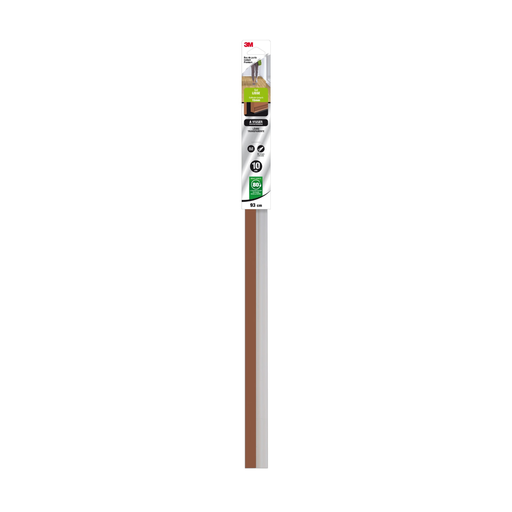
Why this choice suits this profile : screw fixing is suitable for frequently used doors or situations where adhesive alone will not hold securely to the surface.
The fixing method is clearly stated, helping you avoid choosing an adhesive door bottom seal for a surface with poor adhesion or a heavily used door.
Aluminium profile, transparent flap, 93 cm length and stated coverage of up to 15 mm. The listing mentions a 10-year guarantee.
We have brought together a complete, real-time selection of products that meet these strict criteria, as well as European safety requirements.
A door seal, whether designed for a smooth or uneven floor, will remain effective for longer if you regularly remove dust that has accumulated on the lip or brushes. A slightly damp cloth is usually sufficient. Avoid abrasive products, particularly near the adhesive section.
After a few days, check that the door closes without excessive resistance. Also inspect the ends of the profile: even localised peeling can allow draughts and moisture through. On a front door, check the seal after periods of rain or frost.
Close the door, then measure the gap between its bottom edge and the floor at several points. Use the largest measurement and compare it with the product’s coverage capacity. Then measure the door width to determine the length that needs to be cut.
Adhesive is suitable for quick installation on a clean, dry, smooth and degreased surface. A screw-fixed door bottom seal requires drilling into the door, but is often more suitable for a heavy model, a frequently used door or a surface where adhesive does not hold well.
It can limit draughts entering beneath the door and improve thermal comfort. However, the result depends on the size of the gap, the type of threshold, the overall condition of the door and other sources of heat loss. This type of product does not replace full insulation of walls, windows or loft spaces.