
Livraison le jour même ou le lendemain

Qualité garantie

Débloquez vos offres de bienvenue: Livraison GRATUITE | Jusqu'à -80 % | 30 jours d'essai gratuits à JoyPlus
Téléchargez l'application
An under-door draught excluder can reduce draughts, dust infiltration and the passage of small insects. But a hasty purchase can quickly turn into a wasted expense: a seal that peels off, a brush that can't cope with uneven floors, or a door that becomes difficult to close.
Before opting for a self-adhesive door sausage, a door bottom seal or a screw-fixed model, take the time to avoid these three pitfalls.
A door draught excluder fitted with a rigid lip is most effective on a flat, even surface. On an old wooden floor, slightly warped tiles or an uneven threshold, gaps can remain.
Conversely, a double row of soft brushes adapts more easily to variations in height. So your choice should start by examining the floor, not by the colour of the product or the promise of thermal insulation.
A draught-proof door seal designed for a gap of 15 mm won't necessarily suit an opening of 25 or 30 mm. A strip that's too short or too low will let in air, dust and moisture.
Measure the gap in several places, especially near the hinges and on the lock side. On an uneven floor, the difference can be significant.
Even an adhesive designed for long-lasting hold can peel off if the door or floor is dusty, greasy or damp. Textured, porous or very cold surfaces can also reduce adhesion.
A 3M adhesive door bottom must be applied to a clean, dry surface, following the recommendations on its product sheet. For a heavily used door or an installation intended to last, a screw-fixed fitting may be a better choice, provided you're happy to use tools for assembly.
On a smooth floor — wood, laminate, polished concrete, vinyl, PVC, tiles or marble — a transparent or flexible lip can provide discreet contact with the surface. However, the model must be positioned without applying excessive pressure, so as not to hinder the door from closing.
For an under-door draught excluder intended for an uneven floor, choose a soft brush, ideally with a double row, that can stay in contact with the floor despite its variations. Models designed for very uneven surfaces can also fill a larger gap.
The models presented here mainly cover gaps of up to 15 mm or 30 mm, depending on their design. This value corresponds to the capacity stated on the product sheet: it does not guarantee perfect sealing in all configurations.
Adhesive allows for quick installation, without drilling. It is particularly suitable for tenants and interior doors that are not subject to heavy impact. The 93 cm width can be cut to fit a narrower door, following the precautions given by the manufacturer.
Screw fixing takes a little more time, but offers a practical solution for an office, a shop or a door that is opened very regularly. Always check its compatibility with the door material and the possible presence of a threshold.
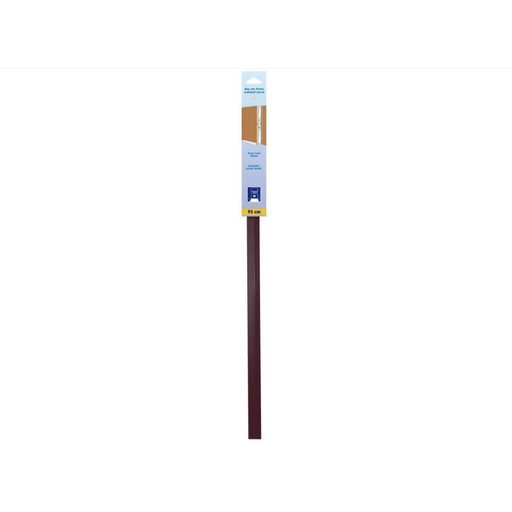
Why this choice suits this profile: this 93 cm adhesive model is suitable for an interior door and a smooth floor. It allows for a first installation without drilling, with cutting to the desired width.
Its product sheet states compatibility with smooth floors and sealing gaps up to 15 mm. So avoid choosing it for a very uneven threshold.
PVC profile, flexible lip and high-tack adhesive, as stated on the product sheet. The stated length is 93 cm.
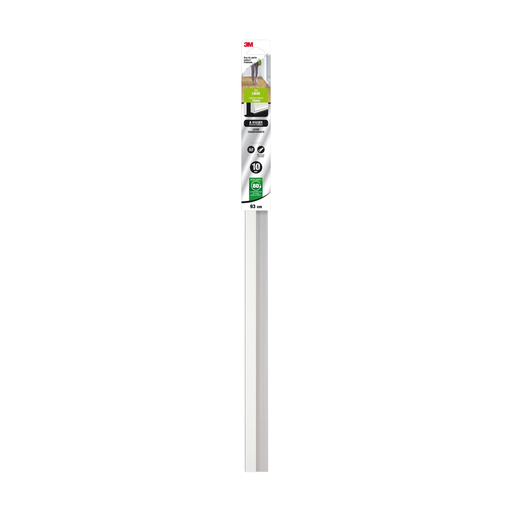
Why this choice suits this profile: its screw fixing is aimed at users looking for a stable installation on a door in a home, office or shop.
The mechanical fixing avoids relying solely on an adhesive surface. However, it is still intended for smooth floors and requires appropriate drilling.
Transparent lip, 93 cm length and stated compatibility with a gap of up to 15 mm. The length can be adjusted with a saw.
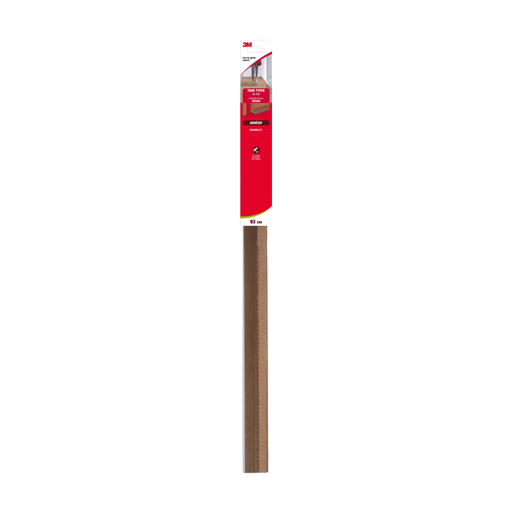
Why this choice suits this profile: its double row of brushes and stated capacity of up to 30 mm make it suitable for very uneven thresholds, particularly in older homes or commercial premises.
It does not rely on a rigid lip, which would risk losing contact with a pronounced relief. The product sheet does state, however, that the surface must be prepared before bonding.
Double brushes, thin membrane and can be cut with a saw or scissors. The product sheet states protection against air, noise and water.
We have put together a comprehensive, real-time updated selection of products that meet these strict criteria and European safety regulations.
On a smooth floor, the dust and insect-proof seal should remain in contact with the surface without being excessively compressed. On an uneven floor, test the closure several times to avoid friction.
Regularly remove accumulated dust from the lip or brushes using a slightly damp cloth. Avoid strong heat sources, harsh solvents and cleaning agents that could damage the PVC or adhesive.
The stated lifespan varies by product: some sheets mention at least five years, while the screw-fixed model boasts a lifespan of up to ten years. These figures depend on the frequency of use, the condition of the floor, exposure to moisture and the quality of the installation.
Choose a model specifically designed for uneven surfaces, equipped with soft brushes and offering a suitable sealing height. A product designed for 15 mm won't necessarily replace a solution stated for up to 30 mm.
It can be suitable if the surface is smooth, clean and dry. For a shop, office or front door that is opened very frequently, a screw-fixed fitting can reduce the risk of peeling, provided it is correctly installed.
It can limit the passage of cold air under the door and improve indoor comfort. However, its effect on consumption depends on the overall insulation of the home, the heating system, the ventilation and the temperature difference. The mere presence of the seal therefore cannot guarantee a precise saving.