If your guests enjoy a pronounced cocoa flavour, don’t rely on the words ‘dark chocolate’ alone: the proportion of chocolate in a biscuit doesn’t necessarily tell you the cocoa content of that chocolate. Then choose a pack size that’s suitable for sharing and check the ingredients, allergens and nutritional values per 100 g. Nutri-Score can provide an additional point of reference when it appears on the pack, but displaying it is voluntary in France, according to Santé publique France.
Who are these biscuits for?
Fans of a pronounced cocoa flavour
If cocoa flavour is what matters most to your guests, look for an explicitly stated cocoa content for the product you’re considering. The word ‘dark’ and the proportion of chocolate in the recipe don’t answer that question on their own.
Hosts who like to share
If you’re serving biscuits alongside coffee, the pack weight and, where stated, the number of biscuits can help you choose a size that suits the number of guests.
Hosts who check the labels
If several people will be sharing the pack, take time to check the ingredients, allergens and any ‘may contain’ warnings. Compare sugars and other nutritional values on the same basis: per 100 g.
What should you look for in store?
For coffee with friends, start with the flavour you’re after and the size you want to serve. Then prioritise nutritional information or allergens according to your guests’ needs.
| What to consider |
What to check |
Who is it for? |
| Cocoa intensity |
Look for a stated cocoa content if it’s important to you, and distinguish it from the proportion of chocolate in the biscuit. |
I’d like a pronounced cocoa flavour with my coffee, without trying to infer the cocoa content from the word ‘dark’ alone; around 36% of consumers prioritise this verifiable intensity. |
| Pack size and texture |
Compare the net weight, the number of biscuits if stated, and the type of biscuit. |
When I have several friends over, I want to serve an appropriate amount easily and choose a texture that suits the table; pack size comes ahead of other criteria for around 29% of consumers. |
| Sugars and nutritional values |
Compare the values per 100 g for biscuits of the same type, and check the ingredients in a ‘no added sugar’ recipe. |
If I’m comparing two recipes, I want to understand their sugar content and other nutritional values rather than rely on a single claim on the front of the pack; around 21% of consumers make this their top criterion. |
| Allergens and ingredients |
Check the allergens highlighted on the pack and any ‘may contain’ warnings. |
Before serving everyone, I need to know whether the recipe suits any dietary restrictions my guests have mentioned; this is a priority for around 14% of consumers. |
Common misconceptions to avoid
-
Assuming ‘dark chocolate’ means a specific cocoa content
A product listing may state the proportion of dark chocolate in the biscuit without specifying the cocoa content of that chocolate. For example, Carrefour France lists 27% dark chocolate for its Classic’ biscuit and 48% for its Petit Beurre Bio. These figures don’t measure the cocoa content of the biscuit as a whole.
If a specific cocoa content matters to you, check that it’s stated on the packaging or product listing for the exact product you’re considering.
-
Rejecting a pack because it doesn’t have a Nutri-Score
According to Santé publique France, displaying Nutri-Score is voluntary. Its absence alone is therefore no basis for judging a biscuit’s nutritional quality or whether it meets requirements.
If it is displayed, read it alongside the nutritional information. When comparing two packs, look in particular at sugars, saturated fat, salt and energy per 100 g.
-
Assuming ‘no added sugar’ means ‘no sweeteners’
The Gerblé recipe listed by Carrefour France under this claim contains maltitol. The claim alone doesn’t tell you everything about the biscuit’s ingredients.
Check the ingredients list and nutritional values for the specific product before choosing it for your guests.
-
Forgetting to check for allergens before sharing the pack
Depending on the recipes reviewed, wheat, milk or soya may be among the ingredients, while other allergens may be covered by ‘may contain’ warnings. The same description, ‘dark chocolate’, doesn’t guarantee the same ingredients.
Ask your guests if they have any dietary restrictions, then check the ingredients and ‘may contain’ warnings on the pack you’ll be serving.
Brands to consider
These examples relate to specific recipes, not every biscuit made by each brand.
Carrefour
Carrefour France’s product listings let you compare a Classic’ biscuit with dark chocolate and a Petit Beurre Bio biscuit with dark chocolate.
- The Classic’ listing states 27% dark chocolate; the Petit Beurre Bio listing states 48% dark chocolate and 12 biscuits per 150 g.
- These proportions refer to the chocolate in each recipe, not the overall cocoa content. Also check the ingredients and allergens for the product you choose.
Bjorg
The Bjorg product described by Auchan France is an organic biscuit coated in dark chocolate, made with ingredients including wholemeal wheat, wholemeal spelt and cocoa bean pieces.
- Its product listing states 29% dark chocolate, as well as 9 g of fibre and 25 g of sugars per 100 g.
- The recipe contains milk and may contain traces of other allergens. This information doesn’t replace checking the full label.
Gerblé
The Gerblé product listed by Carrefour France is a soft dark chocolate biscuit labelled ‘no added sugar’.
- This gives you a specific point of comparison if you’re looking for this claim on the pack.
- The recipe contains maltitol, as well as wheat, soya, milk and egg. Compare its nutritional information and ingredients rather than making assumptions based on the claim alone.
Dark chocolate biscuits on Joybuy
These two pack sizes of dark chocolate biscuits could be a good choice to serve with coffee. Choose a pack size to suit the number of guests, and check the label for each product if cocoa content or allergens will determine your choice.
 Image unavailable
PETIT ECOLIER dark chocolate biscuits 150 g
A 150 g pack to consider for serving biscuits with coffee. If your guests are looking for a specific cocoa content, check the information on this pack. Also check the allergens and any ‘may contain’ warnings before sharing.
View on Joybuy
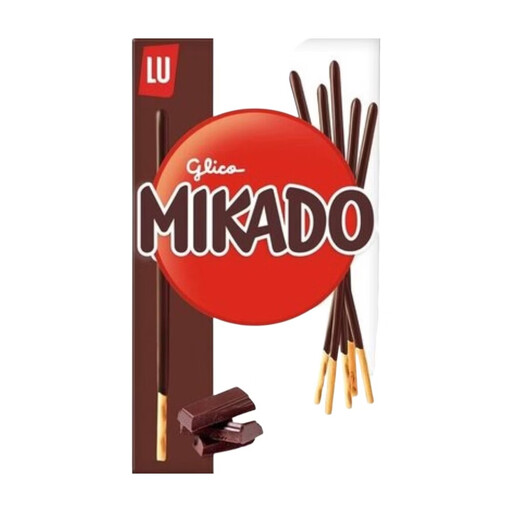 Image unavailable
Mikado dark chocolate 75 g
This 75 g pack is a good option if you’d like a smaller pack to serve with coffee. Check the packaging for the cocoa content if it matters to you, along with the ingredients and allergen information before serving your guests.
View on Joybuy
Frequently asked questions
Is Nutri-Score compulsory on chocolate biscuits in France?
No. Santé publique France explains that displaying it is voluntary; it complements the nutritional declaration required for the relevant prepacked foods. If a pack doesn’t show Nutri-Score, you can compare the nutritional values per 100 g directly.
Does the ‘soda tax’ apply to chocolate biscuits?
No. The levy described by the French Ministry of Economy applies to sugary drinks, not specifically to chocolate biscuits. To compare the sugar content of two biscuits, use their nutritional information per 100 g.
Which allergens should you check before serving several people?
Read the ingredients list and any ‘may contain’ warnings on the pack you buy. Depending on the biscuit, wheat, milk, soya or egg may be part of the recipe, and traces of other allergens may be listed. The DGCCRF reminds shoppers that allergens present among the ingredients must be highlighted on the labels of prepacked foods.
How can you compare two different pack sizes?
Compare their nutritional values per 100 g, then check the net weight and the number of biscuits where this is stated. This helps you distinguish the composition of each recipe from the amount you plan to serve.


