Who are these biscuits for?

Hosts looking for a pronounced cocoa note

If you want to serve a biscuit with a more intense chocolate flavour, don’t rely on the words ‘dark chocolate’ alone. Look for a clearly stated cocoa content, and distinguish it from the proportion of chocolate in the biscuit.

Shoppers who compare sugars first

The ‘of which sugars’ line lets you compare recipes per 100 g. It’s also worth checking the ingredients and, where listed on the label, the polyols if the pack says ‘no added sugars’.

Anyone preparing a table for sharing

The number of biscuits or individual packs can help you plan how to serve them. If a guest has an allergy, check the ingredients and any ‘may contain’ warnings on the specific pack you’ve chosen. Don’t rely on the information for another product from the same brand.

What should you look for before buying?

Before choosing dark chocolate biscuits to serve at Epiphany, decide what matters most to you, then compare the recipes and pack sizes.

What to consider What to check Who is this for?
Cocoa information Distinguish the proportion of dark chocolate in the biscuit from the cocoa percentage of the chocolate, if stated. I want to serve a biscuit whose cocoa note isn’t based on the word ‘dark’ alone. Around 31% of consumers prioritise clear information about the chocolate or cocoa.
Ingredients and allergens Check the ingredients, allergens and nutrition information per 100 g on the specific pack. Before serving several guests, I need to know what’s in the biscuits and identify any allergens that may affect them. Around 31% of consumers would make this their priority.
Sugars listed Compare the ‘of which sugars’ line per 100 g. Check the ingredients and any listed polyols too. If I’m comparing sugars above all else, ‘no added sugars’ isn’t enough to tell me what’s in the recipe. Around 23% of consumers would prioritise the sugars listed.
Sharing format Check the number of biscuits or individual packs and, if stated, the weight per serving. When sharing biscuits around the table, I prefer a pack format that makes it easy to plan how many to serve. Around 15% of consumers would put pack format first.

What should you watch out for?

  • Using the ‘soda tax’ to compare biscuits

    The provisions of the French General Tax Code published by Légifrance concern non-alcoholic drinks, not chocolate biscuits. This levy is therefore not a useful way to compare these recipes.

    Instead, compare the ingredients and nutrition information per 100 g.

  • Expecting every pack to display a Nutri-Score

    The French Ministry of the Economy explains that displaying the Nutri-Score is voluntary. The DGCCRF, on the other hand, states that nutrition declarations are compulsory for the relevant pre-packed foods.

    If a Nutri-Score appears on the pack, use it as an additional guide, but don’t let it replace checking the sugars, ingredients and allergens.

  • Taking ‘no added sugars’ to mean ‘sugar-free’

    Auchan’s product listing for Gerblé dark chocolate soft-centred biscuits states 0.5 g of sugars and 24 g of polyols per 100 g; maltitols are included in the recipe. These terms don’t mean the same thing.

    Check the ‘of which sugars’ line, any polyols and the ingredients list together.

  • Confusing the proportion of chocolate with its cocoa content

    E.Leclerc states that Bio Village chocolate tablet biscuits contain 48% dark chocolate. This figure describes the proportion of chocolate in the biscuit, not necessarily the cocoa content of that chocolate.

    If cocoa content is important to you, look for a statement that specifically refers to the chocolate used.

Brands to compare by recipe

LU

The Pépito dark chocolate biscuit is a shortbread-style biscuit topped with chocolate. It’s worth considering if you’re looking for that texture to serve at the table.

  • Auchan’s listing for this Pépito states that the recipe contains 27% dark chocolate.
  • This proportion alone doesn’t tell you the cocoa content of the chocolate. Check the allergens on the pack for this specific product.

Gerblé

Gerblé’s no-added-sugar dark chocolate soft-centred biscuits are worth considering if the sugars listed are a particularly important part of your decision.

  • Auchan’s listing states that this product contains 0.5 g of sugars per 100 g.
  • It also lists 24 g of polyols per 100 g and maltitols among the ingredients, so check the full composition before choosing.

Bio Village

The organic dark chocolate tablet biscuits in this range clearly state the proportion of chocolate in the recipe.

  • E.Leclerc’s listing states that these biscuits contain 48% dark chocolate.
  • This percentage doesn’t tell you the cocoa content of the chocolate. Check the nutrition information and ingredients separately.

Auchan Bio

Individually wrapped dark chocolate-coated biscuits may suit a table where the packaging makes it easier to share them out.

  • Auchan’s listing shows this product in four packs of four biscuits and states that it contains 29% dark chocolate.
  • The individual packs don’t tell you what’s in each serving, so check the information per 100 g and any allergen warnings.

Dark chocolate biscuits available on Joybuy

These two dark chocolate biscuit formats are worth considering for an Epiphany table. Compare the cocoa information that matters to you with the pack format you’ll need for serving.

PETIT ECOLIER dark chocolate, 150 g pack

PETIT ECOLIER dark chocolate 150 g

Worth considering if you want to compare biscuits based on the cocoa information: check whether the statement on the pack refers to the chocolate or the whole biscuit. The stated pack size is 150 g; check the ingredients and allergens before serving.

View on Joybuy
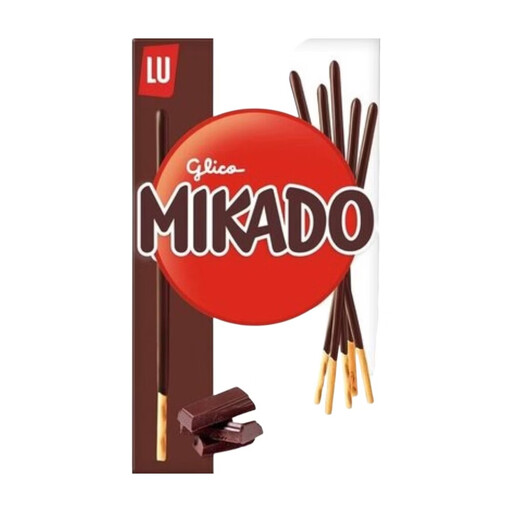
Mikado dark chocolate, 75 g pack

Mikado dark chocolate 75 g

If you’re serving several people, check how the sticks are packaged. The stated pack size is 75 g. If you’re looking for a specific cocoa content, don’t infer it from the words ‘dark chocolate’ alone.

View on Joybuy

Frequently asked questions

Does the term ‘dark chocolate’ guarantee a high cocoa content?

No. On its own, it doesn’t give you a cocoa percentage. For example, the 48% dark chocolate stated on E.Leclerc’s listing for Bio Village chocolate tablet biscuits describes the proportion of chocolate in the biscuit. Look for a separate statement if you want to know the cocoa content of the chocolate.

Which allergens should you check before serving dark chocolate biscuits?

Check the specific pack for allergens that may affect your guests. The recipes featured may contain ingredients such as wheat, milk or soya; some product listings also mention other ingredients or possible traces. Don’t assume the list for one product applies to another.

Do biscuits sold in France have to display a Nutri-Score?

No. According to the French Ministry of the Economy, displaying it is voluntary. The DGCCRF states that a nutrition declaration is compulsory for the relevant pre-packed foods. This lets you check information including fat, saturates, carbohydrates and sugars.

How should you store chocolate biscuits until Epiphany?

First, follow the instructions on the pack you’ve chosen. The listings for these products recommend storing them away from heat and moisture, which is useful advice for biscuits coated in chocolate.