Fans of rich cocoa flavours
If you’re looking for a distinct cocoa taste, check the amount of dark chocolate in the biscuit separately from the cocoa content of that chocolate, if stated.


For a night in watching TV, choose your biscuits based on what matters most to you: how much dark chocolate the recipe contains, a crunchy texture or a format that’s easy to share. The words ‘dark chocolate’ describe the chocolate used, not its proportion in the biscuit or its nutritional values. Also compare the ingredients, nutrition information per 100 g and allergens for each product.
If you’re looking for a distinct cocoa taste, check the amount of dark chocolate in the biscuit separately from the cocoa content of that chocolate, if stated.
If you’re serving biscuits to a group, check the number of biscuits or sachets and choose the texture you’d like to enjoy in front of the screen.
The words ‘dark chocolate’ don’t replace checking the sugars, fat, saturates, salt and allergens listed for the product you choose.
First decide what matters most for your TV night, then compare the biscuits on a like-for-like basis: recipe, pack format or nutrition information per 100 g.
| What to consider | What to check | Who is it for? |
|---|---|---|
| Amount of dark chocolate | The words ‘dark chocolate’, its proportion in the biscuit and, if shown on the label, the cocoa content of the chocolate. | I want the cocoa to stand out in the biscuit, without confusing the chocolate used with the whole recipe; around 31% of consumers prioritise this. |
| Format and texture | The number of biscuits or sachets and the type of biscuit: a galette, shortbread, chocolate-coated biscuit or biscuit topped with a chocolate bar. | If I want to share the biscuits easily during the film, the pack format matters just as much as the texture; around 23% of consumers put this first. |
| Nutritional values | Sugars, fat (including saturates) and salt per 100 g, followed by the amount you plan to serve. | When comparing two recipes, I want to check their values on the same basis rather than judging by colour; around 23% of consumers prioritise this comparison. |
| Allergens | Any highlighted allergenic ingredients and ‘may contain’ statements on the packaging of the exact product. | Before choosing based on taste, I need to check for ingredients that don’t suit my dietary requirements; around 23% of consumers prioritise this check. |
The name refers to the chocolate used. The amount of that ingredient in the biscuit is a separate piece of information: the product listings for St Michel, Auchan Bio and Pépito state that the products mentioned contain 21%, 29% and 27% dark chocolate respectively.
Check the proportion of dark chocolate in the recipe separately from the cocoa content of that chocolate, if stated. These percentages alone aren’t enough to rank the biscuits by flavour intensity.
Two dark chocolate biscuits can have different ingredients. The word ‘dark’ doesn’t tell you how much sugar or fat they contain.
Compare the nutrition information per 100 g, then take into account how much you plan to serve.
Depending on the recipe, a dark chocolate biscuit may contain wheat, milk, soya or egg, among other ingredients. Some products also carry warnings about possible traces of other allergens.
If you have an allergy or intolerance, check the ingredients and ‘may contain’ statements on the packaging of the product you’re buying.
The Pépito and Petit Écolier dark chocolate options offer two different styles of chocolate biscuit to enjoy on a TV night.
Galette gourmande chocolat noir is for anyone who prefers a buttery galette to a chocolate-coated biscuit.
This range includes dark chocolate-coated biscuits in sachets, making it worth considering if you’d like to share the pack.
Petit Beurre Tablette Chocolat Noir offers another option if you prefer a biscuit topped with a chocolate bar.
These dark chocolate biscuits come in a range of formats for a TV night. Whether you’re choosing a cocoa flavour, a matcha option or a pack to share, check the recipe and pack format of each product.
 Image unavailable
Worth considering if you’d like to check the amount of cocoa in a biscuit topped with a dark chocolate bar. Joybuy’s product listing for this Petit Écolier states that the chocolate contains at least 45% cocoa; this figure refers to the chocolate, not the whole biscuit.
If you’re sharing, check how many biscuits are in the pack. Also check the allergens on the packaging.
 Image unavailable
The stick format is a good choice if you prefer to enjoy a few biscuits at a time in front of the screen. The pack is labelled dark chocolate and weighs 75 g.
If cocoa intensity is important to you, check the packaging for the proportion of chocolate in the biscuit and the cocoa content of the chocolate. Check the allergens too.
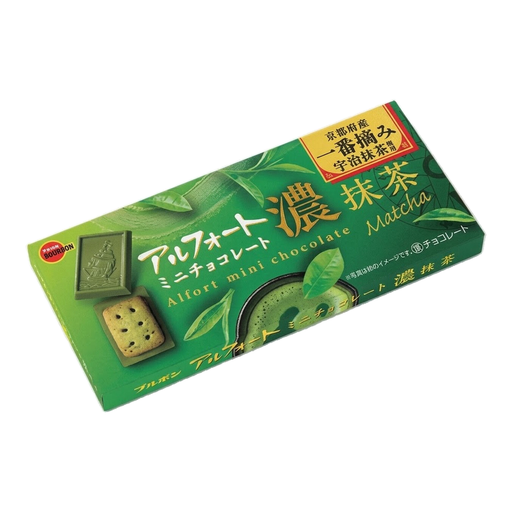 Image unavailable
This variety combines dark chocolate and matcha. Choose it if you like that combination, rather than if you’re looking for a pure cocoa taste. The pack contains 12 pieces and weighs 60 g.
To see how much chocolate and matcha it contains, read the ingredients on the pack. Check the allergens too.
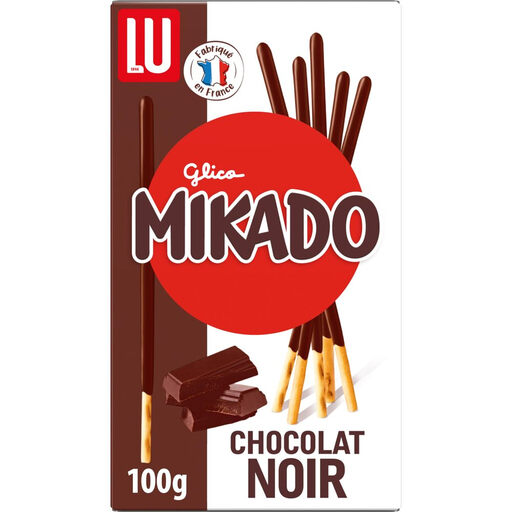 Image unavailable
This 100 g pack of dark chocolate sticks is another size to consider if you’re serving several people. If you’re choosing between this and the 75 g pack, compare the weight and number of pieces stated on each pack.
To compare its nutritional composition with another product, check the values directly on the packaging, particularly the saturates. Also check the allergens and cocoa content listed there.
Not necessarily: the words describe the chocolate used, not the proportion of chocolate or cocoa in the whole biscuit. If you’re choosing based on flavour intensity, check how much dark chocolate the recipe contains and the cocoa content of the chocolate, if stated.
Read the nutrition information for both on the same basis, per 100 g, then consider how much you’ll serve. Compare sugars, fat, saturates and salt in particular, rather than trying to judge these values from the words ‘dark chocolate’ alone.
No. A dark chocolate biscuit may contain milk or other allergens, depending on the recipe. If you have an allergy or intolerance, read the highlighted ingredients and ‘may contain’ statements on the packaging of the product you buy.
Follow the storage instructions on the pack. For the products concerned, St Michel and other manufacturers recommend keeping biscuits in a cool, dry place, away from heat. Also check the best-before date and any instructions for after opening.