
Livraison le jour même ou le lendemain

Qualité garantie

Débloquez vos offres de bienvenue: Livraison GRATUITE | Jusqu'à -80 % | 30 jours d'essai gratuits à JoyPlus
Téléchargez l'application
Choosing a pack of cotton pads might seem straightforward. Yet a texture that sheds, excessive absorption or the wrong format can make removing your make-up less enjoyable and cause you to use more lotion. To buy with confidence, it's better to look at the composition, manufacturing and intended use rather than relying solely on claims like "soft" or "ultra-absorbent".
A highly absorbent pad can hold onto a good amount of your micellar water or toner. The result? You end up using more product each time. On the other hand, a pad that's not dense enough may tear or leave fibres on your skin.
For applying toner, choose a material that holds its shape and distributes the product without soaking it up instantly.
The term "natural cotton" doesn't automatically mean 100% natural cotton, organic cotton or unbleached cotton. Check the full ingredients list, as well as any certifications. For organic cotton pads, the GOTS label – when clearly stated and verifiable – gives you more precise information about the fibres and the production conditions covered by the standard.
A round pad works for most everyday tasks. Oval formats offer a larger surface area for removing make-up from your eyes and face. A dual-texture pad can also be handy, with a slightly textured side for taking off make-up and a smooth side to finish cleansing.
The edge finish deserves your attention too: poorly bonded fibres increase the risk of shedding, which is particularly annoying around the eyes.
Start by checking the material: 100% cotton, unbleached cotton fibres or organic cotton, depending on your priorities. A product intended for baby care must provide clear information about its composition, external use and storage conditions.
If you have sensitive skin, choose a soft surface and a simple composition. Claims like "fragrance-free" or "unbleached" may suit certain preferences, but they don't replace reading the usage instructions. If irritation occurs, stop using immediately.
A sponge-like texture, long fibres or a two-sided design can change how the pad feels on your skin and how much product you use. Product descriptions sometimes mention a design intended to reduce residual fibres. However, this is a manufacturing feature, not a guarantee that works for all skin types.
For cotton pads intended for your face, also check the number of pieces and the format. A pack of 48, 70, 105 or 180 units won't match the same usage rate.
Disposable pads are convenient when you're on the go, for removing eye make-up or for baby care. Reusable pads can reduce waste if they're properly maintained, but they need regular washing, thorough drying and a clean storage space.
For mixed use, you can keep reusable pads for your daily skincare routine and save disposable pads for situations where convenience matters most. In any case, never flush a cotton pad down the toilet.
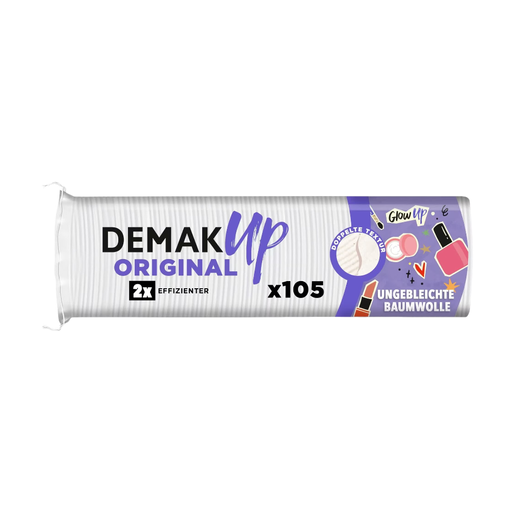
Why this choice suits this profile: With 105 pads, this pack is ideal for a daily make-up removal and facial care routine, without needing to buy replacements too often.
The product description mentions 100% pure cotton and two textures, so you don't need to buy several types of pads.
105 pieces, unbleached cotton according to the product description, one textured side and one smooth side, made in France as stated.
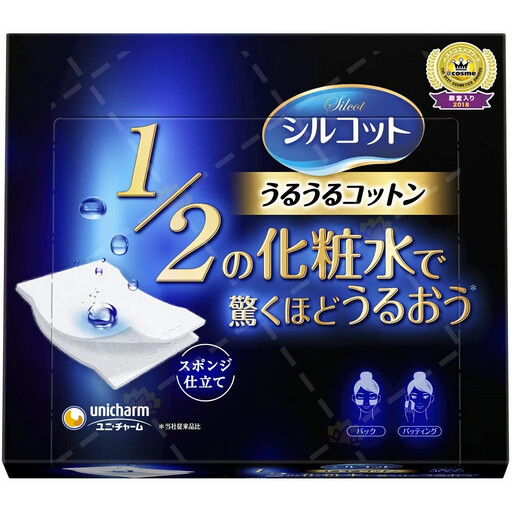
Why this choice suits this profile: This Japanese format of 40 pads is designed for those who care about the feel of the cotton and precise application of their skincare products.
Its sponge-like texture and design aimed at reducing fibres address the two common drawbacks of thin pads.
100% cotton according to the product description, 40 pads, intended for use with lotion, make-up removal and facial care.
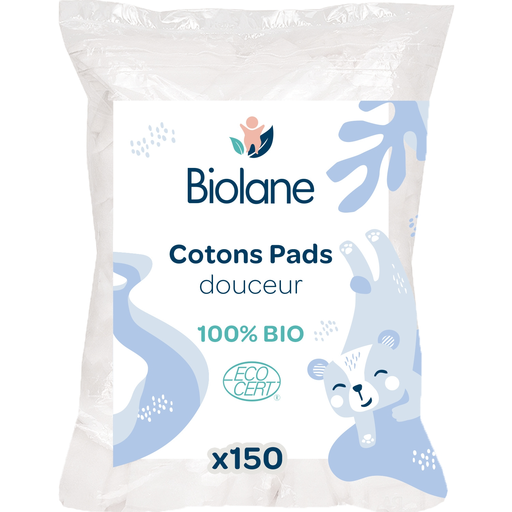
Why this choice suits this profile: Its large format is ideal for families who use cotton pads for the face, body and baby's nappy changes.
The product description mentions durability and absorption suitable for cleansing, which reduces the risk of pads tearing during use.
150 cotton pads, GOTS-certified organic cotton by ECOCERT according to the product description, made in France as stated and packaging containing at least 50% recycled materials.
We've put together a complete, real-time updated selection of products that meet these exacting standards and European safety regulations.
Yes, as long as the product is intended for facial use and its texture remains comfortable. For waterproof make-up, a textured side can help with removal. However, avoid rubbing and stop using if you feel any discomfort.
Dry cotton pads generally don't have a use-by date like liquid cosmetic products. Store them in their packaging, away from moisture, and check the instructions on the packet. Do not use a pad if the packaging is damaged or if the pad appears soiled.
It depends on the purchase price, the number of washes and how often you use them. Reusable pads avoid repeat purchases, but they need water, detergent and regular maintenance. Disposable pads remain convenient for travel, baby care or when you need to be quick.