
Livraison le jour même ou le lendemain

Qualité garantie

Débloquez vos offres de bienvenue: Livraison GRATUITE | Jusqu'à -80 % | 30 jours d'essai gratuits à JoyPlus
Téléchargez l'application
Removing waterproof mascara can quickly become a battle: cotton pads catch on the lashes, the product leaves a greasy film and several passes are needed to remove every trace of pigment. Choosing a waterproof eye make-up remover is therefore about more than simply looking for a “no-rubbing” claim. The texture, directions for use and ingredients should all be suited to your make-up and the sensitivity of your eyes.
Micellar cleansing water is generally enough for light make-up and impurities on the face. However, not all micellar waters are designed to dissolve waterproof mascara or long-lasting eyeliner. For this type of make-up, check that the packaging clearly states that it is suitable for use around the eyes and effective on water-resistant formulas.
A bi-phase eye make-up remover usually combines a water-based phase with an oil-based phase. This combination helps lift pigments and the oily substances found in some waterproof make-up products. However, you need to shake the bottle properly first: if the two phases do not mix well, the product may work less evenly.
Claims such as “sensitive skin”, “no rinsing required” or “ophthalmologically tested” provide useful information, but they do not guarantee that every user will avoid a reaction. It is therefore worth checking the INCI list, especially if you are sensitive to certain fragrances, preservatives or solvents. Always follow the manufacturer’s recommendations and stop using the product if discomfort persists.
When choosing a waterproof mascara remover, look for an explicit statement that it is suitable for water-resistant make-up. Bi-phase formulas and certain micellar solutions enriched with an oil-based phase are often intended for this purpose. A product formulated solely for the face may struggle to remove long-lasting mascara from heavily coated lashes.
An all-over face and eye make-up remover can be convenient if you want to avoid accumulating bottles in the bathroom. However, make sure the manufacturer specifically approves its use around the eyes. The face and eye area do not always have the same requirements.
If you have sensitive eyes, wear contact lenses or remove your make-up every day, choose a product page that clearly details the application area and the precautions to take. Some products can be used by contact lens wearers, while others require lenses to be removed before removing make-up.
Claims such as ophthalmologically tested, free from synthetic fragrance or organically certified should be viewed as information about the formula or the checks carried out, rather than as a medical guarantee. Always check the label of the product you receive: the ingredients and instructions printed on the packaging are the definitive source of information.
Even a suitable formula can become uncomfortable if you rub repeatedly. To remove eye make-up gently:
A no-rinse make-up remover can simplify your routine, but avoid direct contact with the eye and rinse thoroughly if any product gets into it. If you wear eyelash extensions, check compatibility with the professional who applied them: certain oils and techniques may reduce how long they last.
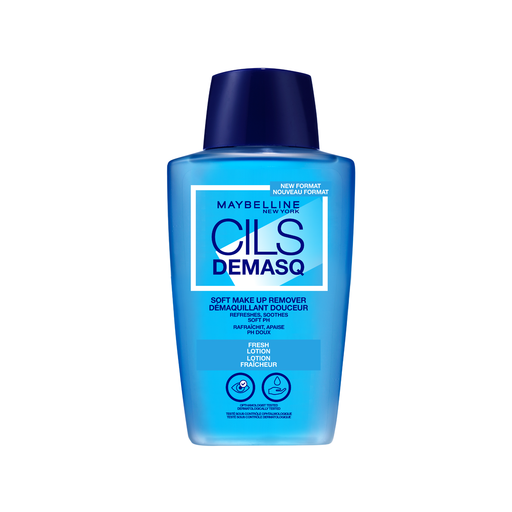
Why this choice suits this profile: Its 150 ml size and simple directions make it ideal for starting a daily eye make-up removal routine.
The product details mention a formula with a pH suited to that of tears, no-rinse use and gentle application over closed eyes.
150 ml size, ophthalmological testing stated by the brand and no-rinse use specified in the directions.
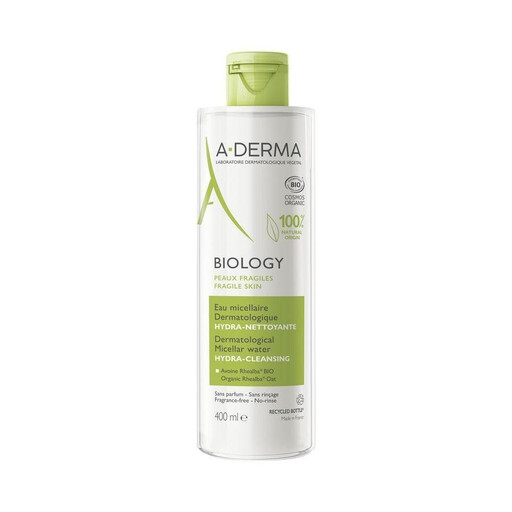
Why this choice suits this profile: Its generous size and suitability for the face and eyes fit neatly into a complete morning and evening routine, with an organically certified formula.
The product details do not present it as being exclusively intended for waterproof make-up. Instead, it forms part of an all-over cleansing routine, avoiding the choice of an overly specialised formula for everyday use.
400 ml, ingredients stated as being 100 % naturally derived and no-rinse use on the face and eyes.
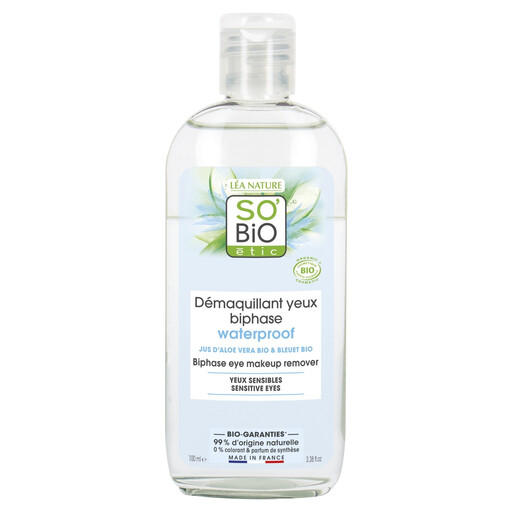
Why this choice suits this profile: Its product details mention sensitive eyes and contact lens wearers, with a bi-phase formula designed for waterproof make-up.
The directions ask you to shake the bottle, then press the cotton pad over the closed eye for a few seconds before sweeping it away, rather than rubbing.
100 ml, 99 % naturally derived ingredients stated, COSMOS ORGANIC certification and made in France.
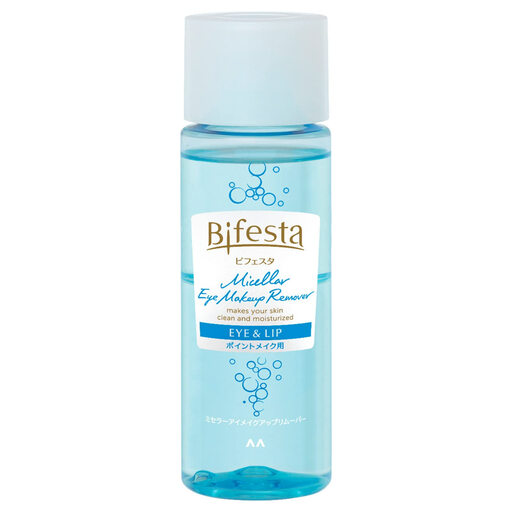
Why this choice suits this profile: This product is designed for both the eyes and lips, making it a practical option for anyone who regularly wears waterproof mascara and long-lasting lipstick.
The brand recommends holding the cotton pad over the lashes for a few moments when removing stubborn make-up. Contact lenses must be removed before use.
Micellar technology stated as suitable for waterproof mascara, use on the eyes and lips, and a 145 ml bottle.
We have put together a complete, real-time updated selection of products that meet these demanding criteria and European safety standards.
Choose a product whose details clearly state that it is compatible with waterproof make-up. A bi-phase formula, such as certain bi-phase eye make-up removers, can be particularly suitable when the mascara contains water-resistant ingredients. Leave the cotton pad over the closed eyelid for a few seconds to minimise rubbing.
Yes, provided the manufacturer recommends this use and your skin tolerates the formula well. A no-rinse make-up remover does not mean you can ignore the directions for use. Avoid direct contact with the eye and carefully remove make-up residue without repeatedly going over the same area.
It depends on the make-up you wear, how many passes are needed and which applicator you use. A 100 to 150 ml bottle may be enough for targeted use around the eyes, while a 400 ml size is more practical for regular use on the face and eyes. Use enough product to thoroughly soak the cotton pad: an overly dry pad inevitably increases friction.