
Livraison le jour même ou le lendemain

Qualité garantie

Débloquez vos offres de bienvenue: Livraison GRATUITE | Jusqu'à -80 % | 30 jours d'essai gratuits à JoyPlus
Téléchargez l'application
Cotton makeup remover pads may seem simple to choose. Yet the difference between a round pad, a square or a cotton sheet can completely change the user experience. A product that sheds fibres, absorbs too much lotion or tears quickly often leads to using more product than necessary and repeatedly wiping the skin.
Before you buy, there are three common pitfalls to watch out for:
For skin that is sensitive to friction, or for people who use cotton pads every day, the composition is an important starting point. 100% cotton pads clearly state the material used, while some hygiene products combine a cotton layer with other technical materials.
Organic cotton may suit a particular manufacturing or certification preference. However, it is important to distinguish between the stated material and the product’s overall composition. For example, a period product may have a top layer made from organic cotton while also incorporating a waterproof covering, absorbent cellulose or polymers within its inner structure.
If you have sensitive skin, prioritise information clearly stated on the packaging, such as the absence of fragrance, colourants or chlorine bleaching, where specified by the manufacturer. Stop using the product if you experience redness or discomfort.
Double-texture cotton pads are practical when switching between make-up removal and finishing touches. A ridged side can help remove make-up residue, while a smooth side is better suited to applying lotion or gently cleansing the eye area.
For a skincare routine inspired by Japanese or Korean practices, a sponge-like texture or long-fibre cotton may help prevent excessive toner absorption. Conversely, highly absorbent cotton may be better for certain cleansing tasks, but can sometimes require more product.
Durability matters just as much. Cotton that splits into layers or leaves fibres on the skin can quickly become irritating, particularly when used with a bi-phase make-up remover or to remove nail polish. Claims such as “lint-free” or “low-lint” should be regarded as features stated by the manufacturer, rather than a guarantee that applies to every skin type and use.
Baby cotton pads should be chosen according to their composition, durability and instructions for use. They can be used with water, micellar water or saline solution, in accordance with the manufacturer’s instructions. They must never be flushed down the toilet.
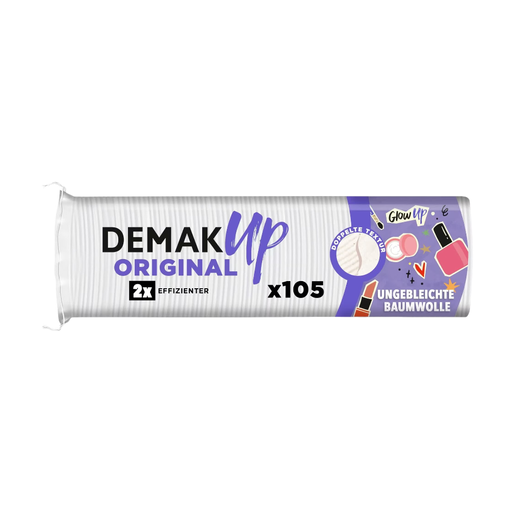
Why this choice suits this profile : The pack of 105 pads is ideal for starting a make-up removal routine. It lets you try the product without committing to a large pack straight away.
The stated composition is 100% unbleached cotton, and the format is clearly indicated, making it easier to compare quantity and material.
Two textures, made in France, and designed for make-up removal, skincare and nail polish removal.
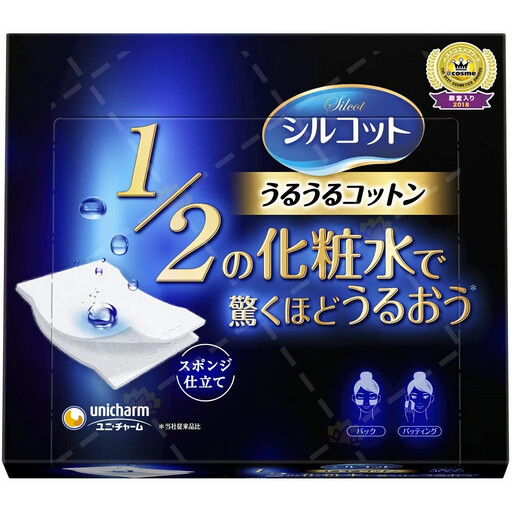
Why this choice suits this profile : This Japanese format of 40 sheets is aimed at people who value a refined texture for facial skincare and toner application.
Its sponge-like texture is described as low-lint and designed not to absorb excessive amounts of lotion.
100% cotton according to the product listing, made in Japan, and suitable for lotion, toner and make-up removal.
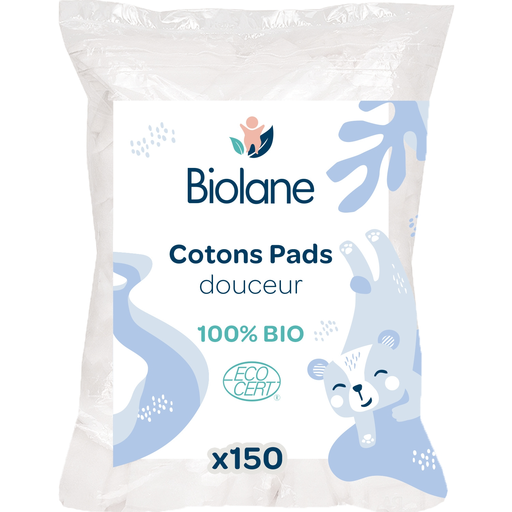
Why this choice suits this profile : The large format is suitable for nappy changes, everyday washing and households that regularly use cotton squares.
The product listing states that it is made from GOTS-certified organic cotton by ECOCERT and is suitable for no-rinse use on the face, body and nappy area.
150 cotton squares, made in France, with stated durability to help prevent tearing and leftover fibres.
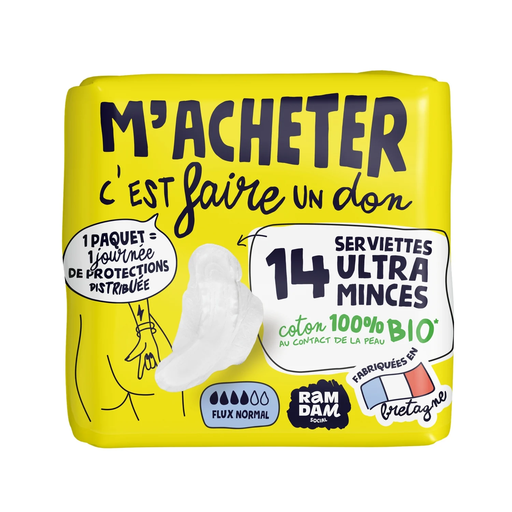
Why this choice suits this profile : This option is for menstrual hygiene, not make-up removal. It is aimed at people looking for a top layer made from organic cotton and manufactured in France.
The product listing distinguishes the organic cotton top layer from the other absorbent components, helping avoid confusion between “cotton” and the product’s complete composition.
Ultra-thin format, wings, stated “++” absorbency, and the brand claims that it contains no fragrance, chlorine or colourants.
To minimise friction, soak the cotton pad sufficiently with your chosen product, then leave it on the made-up area for a few seconds before gently gliding it across the skin. Avoid rubbing vigorously, especially around the eyes.
After opening, keep the cotton pads in their closed packaging or in a clean, dry box away from moisture. An acrylic storage box can be practical on a dressing table, but clean it regularly to prevent dust from building up.
Make-up remover pads, cotton squares and sanitary products are for single use only. Dispose of them in the household bin, never down the toilet. For products intended for babies, close the pack carefully after each use.
They may suit some sensitive skin types, but tolerance also depends on the texture, the pressure applied and the product used. Look for a smooth surface and clearly detailed composition. Depending on your preferences, you may also wish to choose products without fragrance or colourants. If your skin is particularly sensitive, test the product on a small area first.
Round or oval pads are practical for removing make-up from the face and eyes. Squares are often more versatile for washing, cleaning small areas or baby care. The best choice mainly depends on how much product you use and the size of the area being cleaned.
Dry cotton pads do not generally have a use-by period comparable to that of a liquid cosmetic. Nevertheless, they should be kept clean, dry and protected. Check the packaging for any information relating to the batch or storage. Throw away any cotton pad whose packaging is damaged or which has been exposed to moisture.