
Same-day & Next-day Delivery

Quality Guaranteed

Unlock Your Welcome Offers: FREE Delivery | Up to 80% OFF | Free 30-day JoyPlus trial
Download the APP
Between cotton pads, reusable rounds and baby formats, it’s not always easy to know what to pick. A cheap pack might absorb too much lotion, leave fluff on your face or tear apart while you’re removing your make-up. On the other hand, a more specialised product won’t necessarily be the most practical for everyday use.
To choose cotton pads that are both pleasant and effective, it’s better to look at the material, texture, size and the uses actually stated, rather than relying solely on marketing claims.
A very soft pad can be nice for applying a lotion, but it may lack structure when it comes to removing long-wear make-up. Conversely, a highly textured surface could irritate your skin if you press too hard.
The right compromise is to choose a pad suited to your routine: a textured side to lift away residue and a smooth side to finish cleansing, or a soft surface if you mainly use it for your daily skincare.
Not all facial cotton pads have the same composition or finish. Check whether the packaging mentions 100% cotton, organic cotton, long fibres or the presence of other materials. If your skin is reactive, go for a product with a detailed description and avoid references where the composition remains vague.
The term organic cotton pad also deserves a closer look: a simple “natural” claim is not the same as a clearly displayed certification on the product.
A very absorbent pad can make you use more make-up remover or lotion each time. The pack may seem economical, but the cost per use quickly adds up. To compare two products, look at the number of pads, their dimensions and how much product is needed to dampen them.
For the face, 100% cotton pads are often appreciated for their natural feel. Long fibres can offer a more even surface, while a non-fluffy cotton pad limits visible residue after applying a lotion.
For a baby’s nappy change, a certified organic cotton pad can meet a need for clearer traceability. That doesn’t replace the usual precautions: external use only, store in a dry place and stop immediately if any discomfort occurs.
Even with cotton pads for sensitive skin, avoid rubbing vigorously. Your technique, the product you use and how often you cleanse matter just as much as the texture of the pad.
Oval pads cover a wider surface area and can be practical for removing make-up from the face. Smaller sizes are better suited to the eyes or touch-ups. To keep your cotton pads clean, a cotton pad storage box with a lid limits exposure to dust and makes dispensing easier.
Reusable cotton rounds, on the other hand, require regular care: wash them according to the manufacturer’s instructions, dry them completely and store them in a clean place. They should not be confused with disposable cotton pads, which are designed for single use.
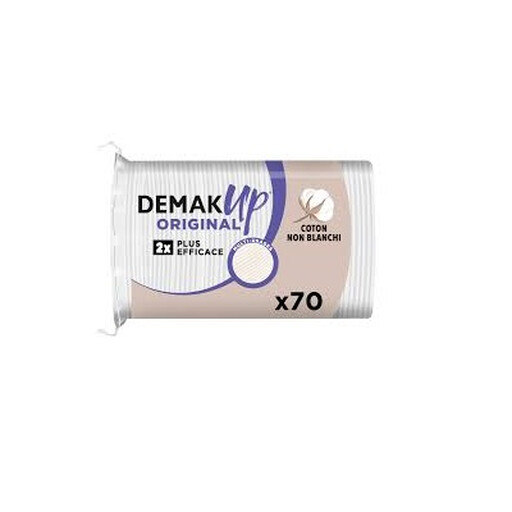
Why this suits this profile: With 70 oval pads, this product is ideal for a first facial and eye make-up removal routine. Its two textures let you adapt your technique depending on the step.
The ribbed side and the smooth side mean you don’t have to choose a pad based solely on price, without considering make-up removal effectiveness or the finish.
Unbleached natural cotton fibres, 70 pads and an oval shape. The description states use for face and eyes, external use only.
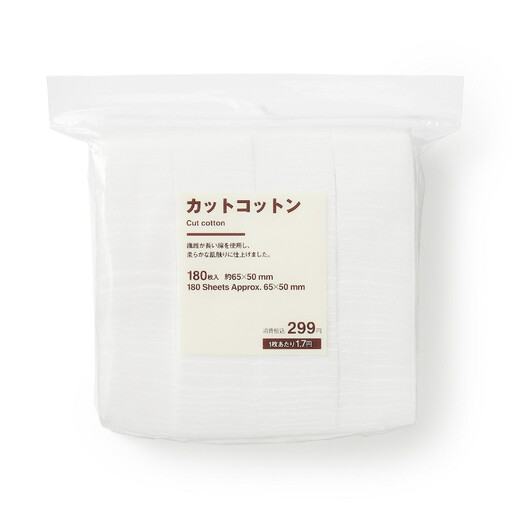
Why this suits this profile: This Japanese format of 180 sheets is designed for those who regularly apply lotion, cleanse their face or switch between several skincare products.
The stated 100% cotton composition and long fibres address the problems of rough pads or those that leave fibres on the skin.
180 sheets approximately 65 × 50 mm, made from long-fibre cotton, manufactured in Japan according to the description. They are intended for toner, make-up removal and gentle cleansing.
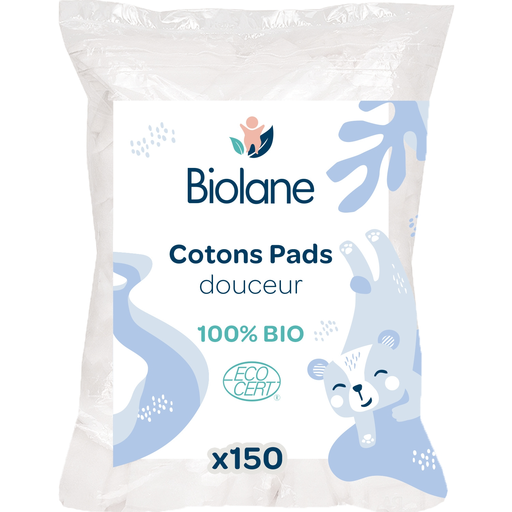
Why this suits this profile: Families who use a lot of cotton pads for the face, body and nappy changes will appreciate this 150-piece format.
The composition, number of pads and stated uses are detailed, making it easier to compare with a generic, poorly documented cotton pad.
100% organic cotton certified GOTS by ECOCERT according to the description, 150 pads and manufactured in France as stated. Use dry or dampened.
We’ve put together a comprehensive list, updated in real time, of products that meet these demanding selection criteria and European safety regulations.
For cotton pads, dampen the surface sufficiently with your product, then wipe the pad without pressing hard. For cotton pads intended for applying toner, use the amount you need rather than saturating the pad completely.
A few precautions are still useful:
Cotton period pads are not interchangeable with skincare cotton pads. Always check the size, absorbency level, whether there are any adhesives and the full composition.
It all depends on the make-up you’re wearing and the product you’re using. You may need one or several pads for the face and eyes. It’s better to change the pad once it’s covered in residue than to go over the same area multiple times with a surface that’s already dirty.
They can be a good choice because of their simple composition, but tolerance also depends on the texture, the make-up remover and the pressure you apply. Choose a soft surface, use gentle movements and stop using them if you experience redness or irritation.
A transparent box or a container with a lid lets you check your stock while keeping dust out. Place it away from water splashes and clean the container regularly. For reusable cotton rounds, wait until they are completely dry before storing them.