
Livraison le jour même ou le lendemain

Qualité garantie

Débloquez vos offres de bienvenue: Livraison GRATUITE | Jusqu'à -80 % | 30 jours d'essai gratuits à JoyPlus
Téléchargez l'application
A flawless lawn, mowed to perfection without lifting a finger: the promise is tempting. The cordless robotic lawn mower embodies this freedom: no more perimeter wire to bury, just a quick setup and 100% autonomous mowing. However, the market is flooded with models that make well-honed marketing promises but deliver disappointing performance in the garden. Before you take the plunge, it's crucial to know how to spot the bad ideas and hidden flaws that can quickly turn the dream into a chore.
As a product expert at Joybuy, I'm here to separate fact from fiction for you. Let's scrutinise the most common pitfalls and the technical criteria you need to check to make the right choice, with no nasty surprises.
While the absence of a perimeter wire is a major step forward, it brings its own set of new challenges. Here are the red flags you should never overlook.
To ensure your future robot is an ally, not a source of hassle, focus on these three essential technical features.
This is the heart of its autonomy. A good cordless robotic mower does more than just bounce off obstacles. The most effective systems for our gardens rely on:
A model that combines several of these technologies generally offers more reliable navigation and more complete mowing coverage.
There's no need to buy an oversized unit. For a typical suburban lawn, a 150 m? robotic mower is more than enough. Choosing a model designed for this area offers two advantages:
Check that the maximum advertised capacity matches your needs, leaving a small margin for complex areas.
A true cordless robot mower should be ready to go, or nearly so, right out of the box. The ideal process boils down to:
Any additional steps (syncing beacons, complex app configuration) diminish the appeal of cordless technology. Read the manual or product sheets carefully to understand the startup process.
Rather than an endless list, we've identified typical user profiles and the most relevant solutions for each.
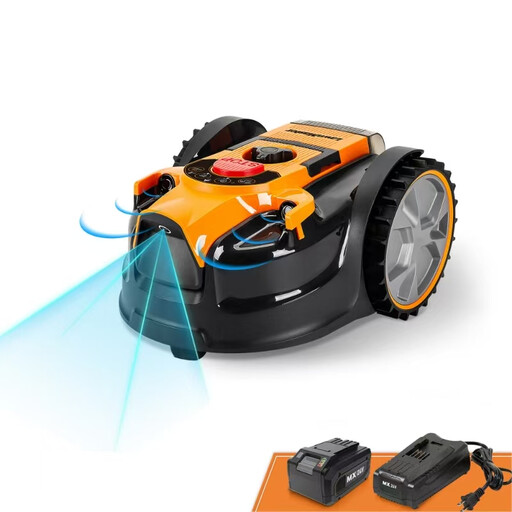
Why it stands out: Ideal for owners of small gardens (up to 150 m?) looking for a "set it and forget it" solution without having to dig trenches for a boundary wire. Its simplicity is its greatest strength for anyone who truly wants to save time.
It bypasses the pitfall of basic navigation with its camera-based obstacle detection system (OcuMow), which anticipates objects instead of just bumping into them. The setup is truly wire-free and beacon-free.
Quiet operation so it won't disturb the neighbours. Ultra-simple setup: charge, place, start. An excellent entry point for getting familiar with robotic mowers.
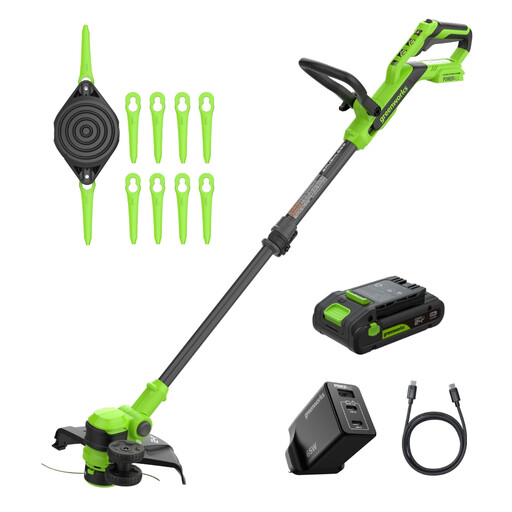
Why it stands out: The robotic mower handles the main lawn area, but the edges along walls, paths, and flowerbeds require a finishing touch. This tool is the ideal companion for achieving a flawless result and crisp, clean lines.
It addresses the classic frustration of a robot that neglects the edges. Instead of searching for a single "miracle" tool, it complements the automation by focusing on a task that robots handle poorly: precise edging.
2-in-1 function for trimming grass and creating clean edges. Lightweight and cordless for total manoeuvrability. The 24V battery is compatible with other tools in the same range.
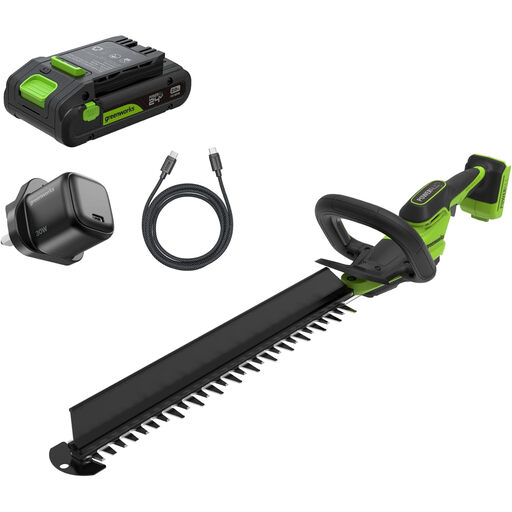
Why it stands out: For those who see their garden as a complete picture, a flawless lawn must be framed by well-maintained hedges and shrubs. This tool allows you to sculpt your garden for a polished overall aesthetic.
No more juggling incompatible chargers and batteries! By integrating into an ecosystem (Greenworks 24V), it simplifies garden tool management and ensures consistent power for demanding tasks.
Dual-action, laser-cut steel blades for a clean cut and fewer vibrations. A 3-sided ergonomic handle provides comfort for use in any position.
Discover our full selection of products that meet our selection criteria and current safety standards.
Absolutely, provided you choose a model with high-performance detection technology. For a lawn with flowerbeds, trees, or furniture, a robot with camera navigation or ultrasonic sensors will be far more effective than a simple bump-and-go model. It can manoeuvre with precision and ensure much more even coverage. For example, reviews for the LawnMaster VBRM16-03 often highlight its ability to manage small, complex spaces thanks to its OcuMow technology.
The lifespan of a lithium-ion battery for a robotic mower generally ranges from 3 to 5 years, depending on the frequency of use and adherence to proper charge/discharge cycles. For a small garden, the cycles are less frequent, which can extend its longevity. The replacement cost varies by brand, but it's wise to inquire about the availability and price of a replacement battery before you buy.
For 100% wire-free and beacon-free models, the installation is incredibly simple. It's limited to plugging in the charging station, letting the robot charge, and then starting it. This is a decisive advantage for people who aren't DIY-savvy, seniors, or individuals with reduced mobility, for whom burying a perimeter wire is simply not an option.