
当日/次日达

品质保障

开启新人专享福利: 全场免邮 | 低至 2 折 | 免费试用 30 天 JoyPlus 会员
下载 Joybuy
Hosting loved ones around a generous board is an art form. But finding the perfect wooden charcuterie board can quickly become a headache. Between flattering photos and marketing jargon, it's easy to end up with a product that doesn't live up to its promise. As a product expert at Joybuy, my mission is to help you see things more clearly. Let's break down the pitfalls to avoid so you can make the right choice, once and for all.
Before you take the plunge, beware of these three often-hidden flaws that can turn a promising purchase into a real disappointment.
To ensure you're investing in a piece that will stand the test of time, here are the non-negotiable technical points to check.
The choice of material is fundamental. Not all woods are created equal for kitchen use.
The size of your wooden serving tray should obviously match your habits. To comfortably host 8 to 10 people, aim for a board with a minimum length of 50 to 60 cm. A large rectangular appetizer board is perfect for creating "rivers" of cured meats and cheeses, while a round model invites sharing in the centre of the table.
A quality board must have a finish certified for food contact. Opt for treatments based on mineral oil or beeswax. These non-toxic finishes nourish the wood and create a protective barrier. Finally, check that the care instructions are clear: a good wooden board should never be soaked in water and must never go in the dishwasher.
Instead of an endless list, we've found the perfect product for every type of host. Find the board that truly suits you.
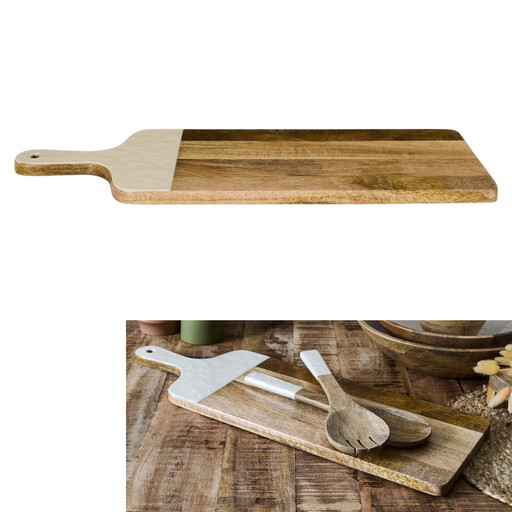
Why we love it: For those who like to go big. It's the perfect canvas for memorable appetizer dinners and buffets that make a statement.
With its 58 cm length, it perfectly meets the need for an XXL appetizer dinner board, avoiding the disappointment of a surface that's too small. Its construction from 100% natural mango wood guarantees a robust and durable piece.
Its very large surface and the raw, trendy aesthetic of mango wood make it the centrepiece of your gatherings.
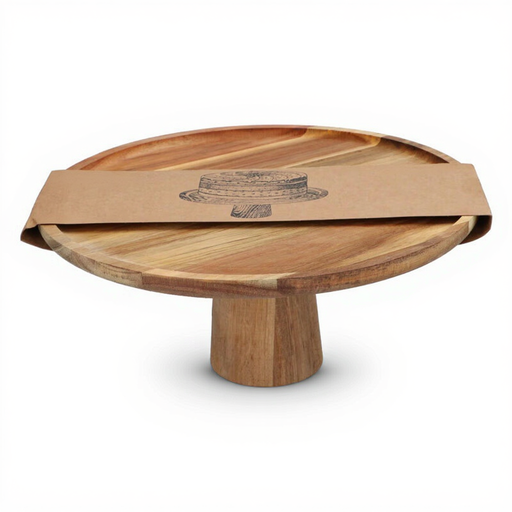
Why we love it: Perfect for adding volume and height to a buffet. This pedestal stand showcases a cake, a pyramid of macarons, or a cheese platter for a guaranteed spectacular effect.
By offering an alternative to the flat board, it stands out. Its quality acacia wood ensures stability and durability, far from the warping issues of low-end models.
Its 13 cm high pedestal catches the eye and transforms any presentation into a decorative centrepiece.
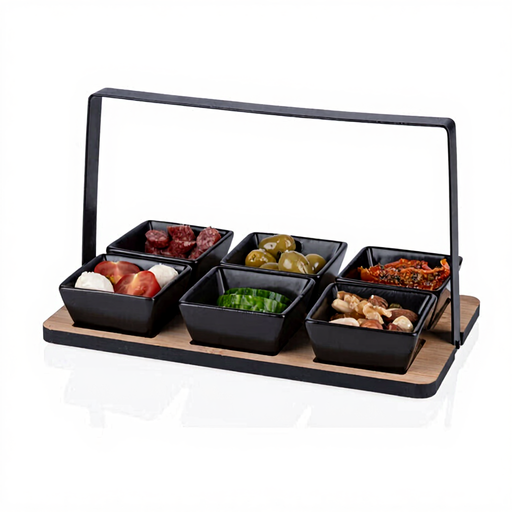
Why we love it: For the perfectionists who like everything in its place. This set is ideal for presenting sauces, olives, or nuts in an orderly fashion, without mixing flavours.
It solves the classic problem of a single board where everything gets mixed up. The bamboo base provides the natural touch of wood, while the ceramic bowls ensure perfect hygiene and ultra-simple cleaning.
The modularity of this 7-piece set offers unbeatable versatility for presentations that are as elegant as they are structured.
Discover our complete selection of trays that tick all the boxes: style, durability, and food safety.
Always wash it by hand with warm water and mild soap. Most importantly, never let it soak. Dry it immediately with a clean cloth and let it finish air-drying vertically. To nourish it, apply a thin layer of food-grade mineral oil once a month, or whenever the wood looks dry.
It's best to avoid cutting directly on it with very sharp knives (like steak knives). Even if the wood is robust, you risk leaving deep marks and wearing down the surface prematurely. Reserve it for presenting and cutting soft cheeses or cured meats.
Mango wood, often lighter in colour, is appealing for its varied grain and warm tones, which give it a very decorative look. Acacia, on the other hand, is generally denser and darker, renowned for its great hardness and natural resistance to moisture. The final choice will depend on your personal taste and the intensity of use you have in mind.