
Livraison le jour même ou le lendemain

Qualité garantie

Débloquez vos offres de bienvenue: Livraison GRATUITE | Jusqu'à -80 % | 30 jours d'essai gratuits à JoyPlus
Téléchargez l'application
The bamboo cutting board seems to have it all: it's stylish, has an eco-friendly reputation, and is often affordable. However, this perfect image can hide a few pitfalls that can quickly turn a great deal into a disappointment. As a product expert at Joybuy, my mission is to help you see things more clearly and find a durable, healthy utensil that's perfectly suited to your needs.
To avoid falling into these traps, let's review the 3 most common mistakes when buying a bamboo board:
Choosing the right board isn't just about aesthetics. You need to focus on a few technical details that make all the difference in the long run, both for durability and for your health.
To ensure you don't regret your purchase, keep three essential points in mind. Though often overlooked, these details are the true guarantors of a quality bamboo cutting board.
Not all bamboo boards are created equal. Their manufacturing process has a direct impact on their strength and moisture resistance.
A good cutting board is, above all, a practical one. Think about how you'll use it in your daily routine.
The surface that comes into contact with your food must be flawless.
Rather than an endless list, here are a few models that meet specific needs and check all the boxes we've just discussed.
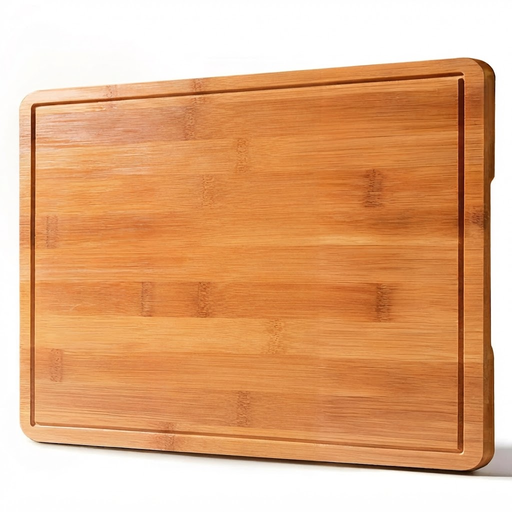
Why it's a great choice: Perfect for juggling kitchen prep and table service. Its juice groove is a must-have for cutting meats, and its handles instantly transform it into a serving platter for cheese or appetizers.
Its carbonisation treatment makes it much more resistant to moisture. No more risk of the board warping or cracking after a few washes!
It combines the practicality of a cutting board with a juice groove and the elegance of a serving board, thanks to its handles and beautiful finish.
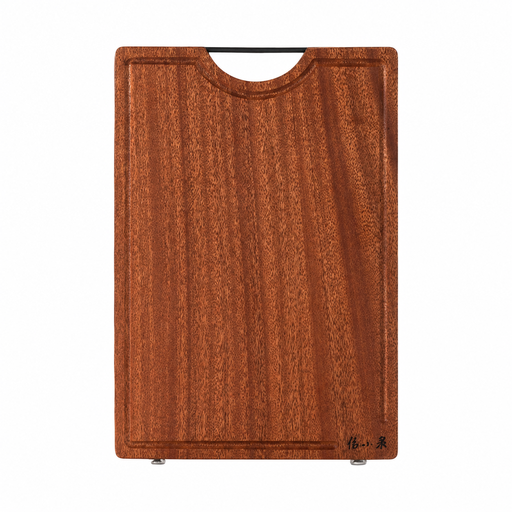
Why it's a great choice: For those who want a reliable, no-frills workhorse for everyday prep. A simple, sturdy, and effective rectangular cutting board. Period.
Made from solid wood, it eliminates the risk of delamination or questionable glues, a common problem with budget bamboo boards.
A traditional and reliable cutting surface that's gentler on your knife edges than overly hard bamboo. The sensible choice for heavy use.
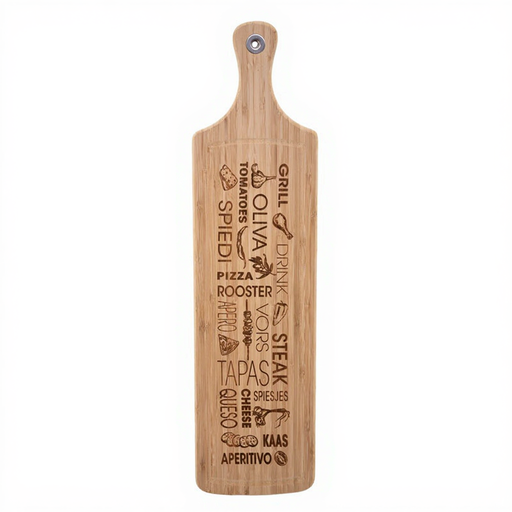
Why it's a great choice: Its long, narrow shape is ideal for presenting a baguette, a cheese assortment, or charcuterie. The perfect piece to combine style and function when you're hosting.
Despite its elegance, it remains a truly functional board (with a juice groove and handles!), not just a decorative tray that can't handle a knife.
Its generous 59 cm length is perfect for large gatherings, making it the ultimate wooden appetizer board.
We've curated a full range of products that meet our quality criteria and current standards.
It's simple, but crucial. After each use, hand wash with warm water and a little soap. The key step: dry it immediately and completely with a cloth, then store it upright to allow air to circulate. Once a month, apply a thin layer of food-grade mineral oil to nourish the wood and prevent it from cracking.
Bamboo has natural antibacterial properties. Unlike plastic, which gets deep scratches and becomes a breeding ground for germs, a well-maintained bamboo surface stays healthier over time. In any case, meticulous cleaning after each use is the golden rule, regardless of the material.
Yes, but caution is advised to avoid cross-contamination. The ideal setup is to have two boards: one for raw items (meat, fish) and another for cooked or ready-to-eat foods (vegetables, bread, cheese). If you only have one, impeccable cleaning is essential between each type of food.