
Livraison le jour même ou le lendemain

Qualité garantie

Débloquez vos offres de bienvenue: Livraison GRATUITE | Jusqu'à -80 % | 30 jours d'essai gratuits à JoyPlus
Téléchargez l'application
A good cutting board is the cornerstone of any self-respecting kitchen. Yet, choosing one can often be a real headache. Between marketing promises and tempting designs, it's all too easy to buy a model that warps, stains, or proves to be completely impractical for daily use. As the Head of Product Recommendations at Joybuy, my mission is to help you navigate the pitfalls and make a smart, long-lasting choice.
Before we get to the models, let's review the common mistakes that turn a purchase into a disappointment.
Making the right choice comes down to two key factors: the material and the design.
The choice of material directly impacts your board's durability, the longevity of your knife blades, and hygiene.
A well-designed board will simplify your life in the kitchen.
Rather than an endless catalogue, here are three models that check all the boxes, each designed for a specific purpose.
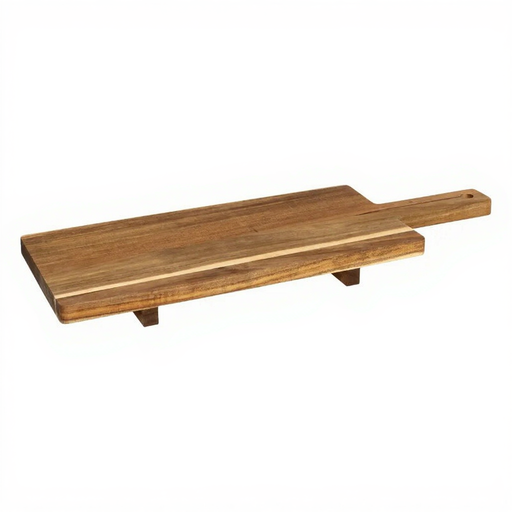
Why we chose it: The perfect partner for those who love to entertain. Its XXL size is designed for creating a spectacular appetizer spread (cheeses, cured meats, fruits) to delight a large table of guests. The acacia wood adds a warm, elegant touch to the presentation.
Unlike undersized "multipurpose" boards, its extra-large surface (70 cm) is truly dedicated to serving. It allows for an airy and generous presentation, without looking overcrowded.
XXL dimensions specific for serving; durable and beautiful acacia wood.
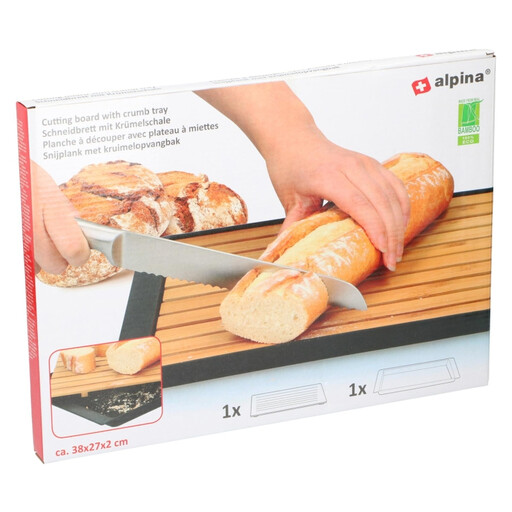
Why we chose it: The dream tool for the everyday cook who values efficiency and perfect hygiene. Ideal for quick prep (especially bread) and lightning-fast cleanup.
No more cleaning chores and crumbs all over the worktop. Its crumb-catching drawer and dishwasher-safe design make it the ultimate asset for cleanliness.
Integrated crumb-catcher drawer; dishwasher-safe for simplified hygiene.
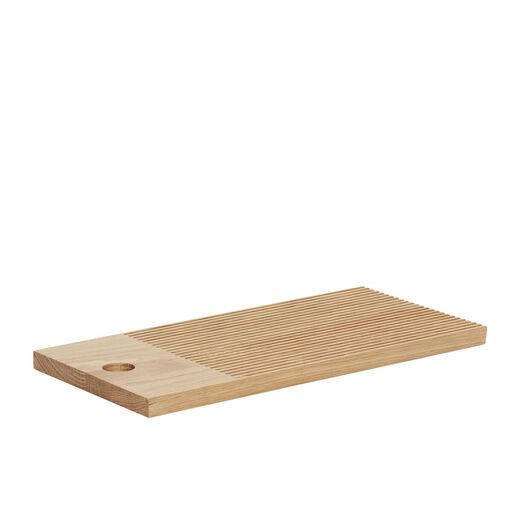
Why we chose it: For those who expect a board to be as beautiful as it is practical. Made from a noble and eco-responsible material, it's a durable investment for everyday cooking and for elegant table presentations.
It sidesteps the trap of wood from questionable sources. Its solid FSC certified oak ensures responsible forest management and rock-solid durability, a far cry from low-end bamboo boards that warp.
Solid FSC certified oak; meticulous craftsmanship; timeless and functional design.
Explore our complete selection of cutting boards, all chosen for their quality, durability, and compliance with food safety standards.
The secret is simple: never let it soak in water and never put it in the dishwasher. After each use, wash it by hand with a soft sponge and a little soap, rinse, and dry it immediately with a cloth. To nourish the wood and maintain its water resistance, apply a thin layer of food-grade mineral oil once a month.
For optimal hygiene, it is highly recommended to separate uses. The ideal setup is to have at least two boards: one for raw foods (meat, fish) and another for ready-to-eat foods (vegetables, bread, cheese). A set of cutting boards can be a very practical solution for staying organised.
Bamboo is a very dense and less porous material than some softwoods, which limits the absorption of liquids and thus the growth of bacteria. However, hygiene ultimately depends on rigorous maintenance. A bamboo board, like a wooden board, must be cleaned and dried properly after each use to remain sanitary.