
Livraison le jour même ou le lendemain

Qualité garantie

Débloquez vos offres de bienvenue: Livraison GRATUITE | Jusqu'à -80 % | 30 jours d'essai gratuits à JoyPlus
Téléchargez l'application
Cleaning a baby's face, disinfecting a countertop, removing makeup on the go, or freshening up your hands… Wipes have become an indispensable part of our daily lives. But behind this apparent simplicity lies a real challenge. Between vague claims and marketing promises, it's easy to end up with a product that's unsuitable, irritating, or harmful to the environment.
As the Head of Product Recommendations at Joybuy, my mission is to help you see things more clearly. Together, let's break down the traps to avoid and the criteria that truly matter to find the perfect wipes for your needs.
Before you fill your cart, watch out for these two common pitfalls. Your wallet and your skin will thank you.
To make an informed choice, ignore the marketing and focus on these three technical points. They are far more revealing than any slogan.
The ingredients list (INCI) is your best friend. For anything that touches the skin (baby wipes, intimate wipes, or makeup remover wipes), simplicity is key.
The material of the wipe itself is a crucial criterion, both for comfort and for its environmental impact.
One wipe does not fit all. Using a product for a purpose it wasn't designed for can be ineffective, or even dangerous.
To put theory into practice, here are a few products that exemplify smart choices for specific needs, successfully avoiding the traps we've discussed.
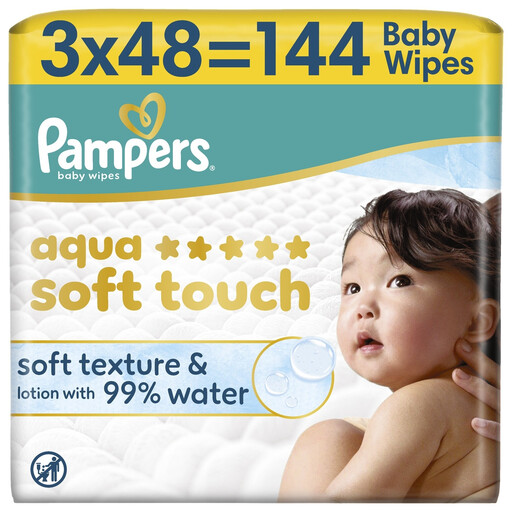
Our take: Perfect for parents seeking a safe and gentle solution from birth. The priority is protecting a baby's fragile skin, without compromise.
This product doesn't just claim to be for "sensitive skin." It proves it with an ultra-simple formula: 99% water, with no alcohol or fragrance, to minimise the risk of irritation.
Its lotion helps maintain the skin's natural pH balance. The product is approved by dermatologists from the Skin Health Alliance, a true seal of trust.
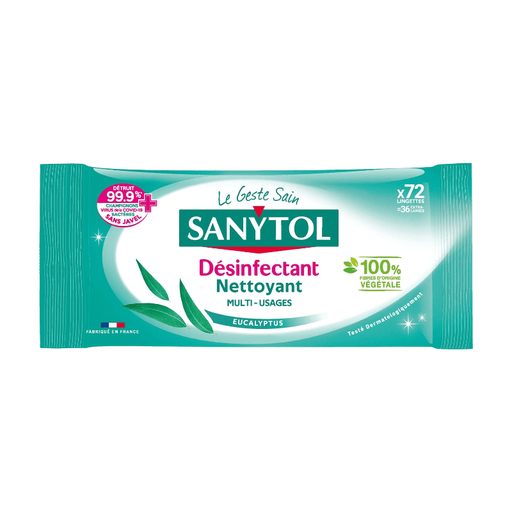
Our take: For those who want a quick and effective solution to sanitise household surfaces (toilets, countertops, door handles) without using bleach.
This product is upfront about its purpose: surface disinfection, period. It doesn't market itself as an "all-in-one" wipe, which prevents dangerous confusion between personal hygiene and household cleaning.
Its triple-action formula cleans, disinfects, and deodorises. It is proven effective against 99.9% of bacteria, fungi, and viruses (including SARS-CoV-2)—a clear and quantified promise.
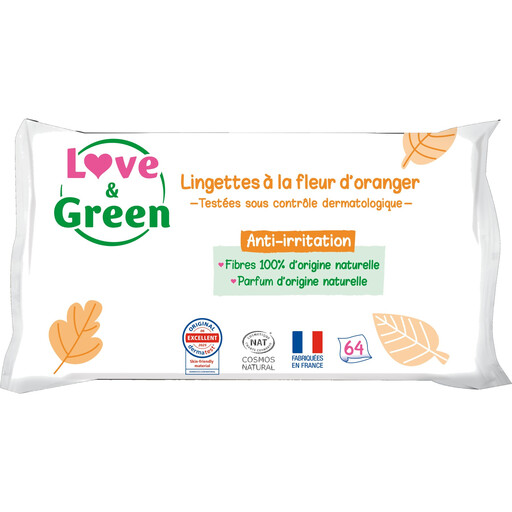
Our take: For those looking to combine convenience with environmental respect, featuring a natural-origin composition and packaging designed for recycling.
This product fights "greenwashing" with tangible proof: COSMOS NATURAL by ECOCERT certification, 100% natural-origin and FSC certified fibre. Here, the promises are verifiable.
The wipe is plastic-free and its formula contains 98% ingredients of natural origin. Its fully recyclable, mono-material packaging is a real bonus that makes a difference.
We have compiled a complete and updated list of products that meet our quality charter and current regulations.
No, and this is a critical point. The vast majority of wipes, even those labelled "biodegradable," should NEVER be flushed down the toilet. They don't break down quickly enough and cause massive clogs in pipes and sewage treatment plants. The only exception: if the packaging explicitly states "flushable" (or shows the corresponding logo). Even then, follow the quantity limits (often one at a time). When in doubt, throw it in the bin.
The difference is fundamental. A cleaning wipe removes dirt (dust, grease) through mechanical action. A disinfecting wipe goes a step further: it contains chemical agents (biocides) that kill microorganisms (bacteria, viruses). Disinfecting wipes are for surfaces only and should never be used on the skin.
Pro tip: Always meticulously reseal the adhesive tab or plastic lid after each use. For packs with a simple adhesive sticker, another trick is to store them upside down. This allows the liquid to re-saturate the top wipes and limits evaporation.