
Livraison le jour même ou le lendemain

Qualité garantie

Débloquez vos offres de bienvenue: Livraison GRATUITE | Jusqu'à -80 % | 30 jours d'essai gratuits à JoyPlus
Téléchargez l'application
An unexpected leak under the sink, a crack in the campervan roof right before a holiday, or the desire to hang a picture frame without pulling out the drill... These are all everyday hassles that demand a quick, reliable solution. The market is flooded with adhesive tapes, all promising the world and a perfect seal. Yet, in reality, choosing the right product is often an uphill battle. The result: we too often end up with a tape that peels off after a few weeks, can't withstand the elements, or is simply unsuitable for the surface.
To avoid botched DIY jobs and wasted money, let's break down the most common pitfalls together.
To select the right waterproof adhesive tape, it's better to focus on a few key technical parameters rather than marketing slogans.
Choosing the right material is the first step towards a repair that lasts.
Before you check out, always verify these two points:
Rather than an endless list, we've matched products to specific use cases. The goal: to guide you directly to the most relevant solution for your project.
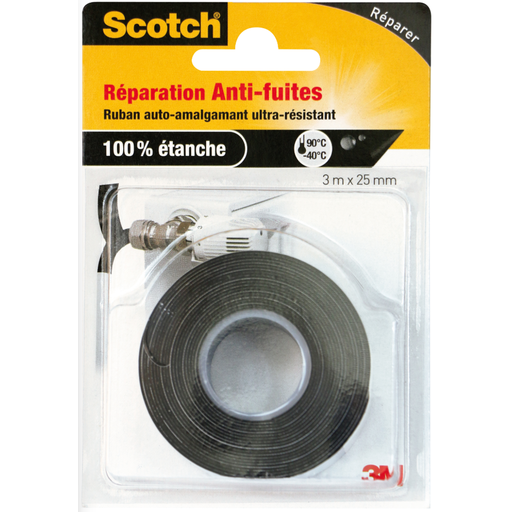
Why we chose it: The perfect solution for sealing leaks on pipes and hoses. It doesn't require a perfectly dry surface and leaves no sticky residue, a major advantage for emergency plumbing repairs or electrical insulation.
This isn't a conventional adhesive. Its self-fusing technology makes it a highly specialised product, sidestepping the "universal" tape trap that proves ineffective for applications under pressure.
Creates a permanent, watertight seal in minutes by simply stretching and wrapping. Withstands temperatures from -40°C to +90°C.
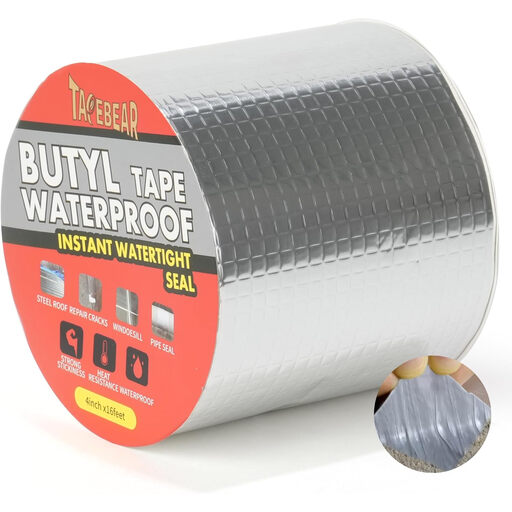
Why we chose it: The heavyweight for demanding waterproofing jobs. Its pure butyl rubber composition and aluminium foil backing make it an ultra-robust solution for repairing campervan roofs, gutters, or cracks on a garden shed.
There's no confusion about materials here. This is a clearly identified butyl tape for outdoor use, featuring UV protection and corrosion resistance, where a standard tape would degrade in a single season.
Superior adhesion on multiple surfaces (metal, wood, fibreglass, concrete) and excellent weather resistance for a rock-solid seal.
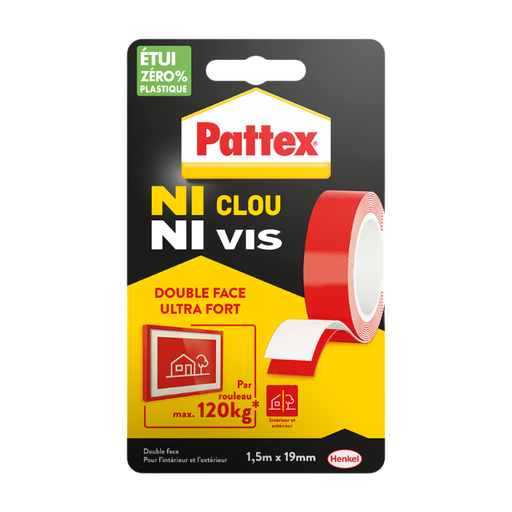
Why we chose it: The drill-free alternative for mounting heavy objects (letterboxes, mirrors, bathroom accessories). This extra-strong double-sided adhesive is designed for permanent mounting, both indoors and outdoors.
It doesn't claim to seal a leak. Its mission is clear: mounting. It avoids the "adhesion-only" trap by specifying a load capacity (up to 120 kg per roll), an objective and reassuring metric.
Instant tack and resistance to moisture and high temperatures. Adheres to many materials, including glass, metal, stone, and some plastics.
We have compiled a complete and up-to-date selection of products that meet our strict selection criteria and current regulations, especially for specific uses.
Longevity primarily depends on the material and its exposure. A high-quality butyl tape, with its aluminium protective foil, can last over 10 years if applied correctly to a clean, dry surface. Conversely, fabric or PVC tapes will have a much shorter lifespan, from 1 to 3 years, when continuously exposed to UV rays and weather.
This seems like a good idea, but it isn't. The surfaces of sealing tapes, especially those made of butyl or silicone, are designed to be non-porous and water-repellent, which prevents paint from adhering properly. It's likely to peel off in record time. If painting is a non-negotiable criterion for you, look for products explicitly labelled as "paintable," although they are rare in this category.
Removing butyl tape can quickly turn into a nightmare due to its strong adhesion. The simplest trick: gently heat the tape with a hairdryer or a heat gun on a low setting to soften the adhesive. Then, use a plastic scraper to gradually peel it off. For stubborn residue, a mild solvent like mineral spirits or a citrus-based cleaner will do the job. Always remember to test on an inconspicuous area before you start.